
Best Hypoallergenic Dogs: 15 Low-Shedding Breeds for Allergy-Sensitive Homes
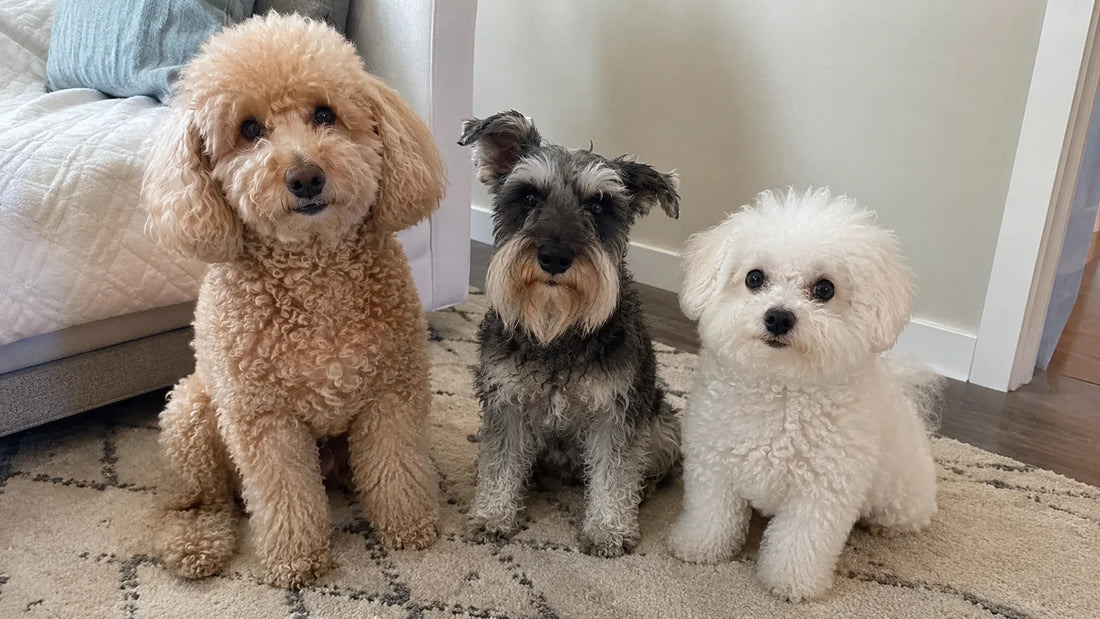
Dog allergies can turn a happy visit with a friendly dog into an afternoon of sneezing, itchy eyes, congestion, or coughing. That is why the idea of a hypoallergenic dog sounds so promising. It also needs an honest explanation.
No dog is completely allergen-free. Every dog produces proteins that may trigger symptoms. These proteins can be found in dander, saliva, urine, and skin oils.[1] [2]
Some people still find low-shedding or hairless breeds easier to live with because less loose hair moves through the home. The goal is not to find a dog with zero allergens. It is to find an individual dog, care routine, and home environment that you can comfortably tolerate.
This guide explains what the word hypoallergenic really means, compares 15 popular low-shedding breeds, and provides a practical plan for reducing dog allergens at home.
What Does Hypoallergenic Mean for a Dog?
In everyday use, hypoallergenic usually describes a dog that sheds very little, has a hairless coat, or has a coat that releases less loose hair into the environment. It does not mean the dog cannot cause an allergic reaction.
Dog allergy symptoms are caused by an immune response to proteins produced by the dog. These proteins can become airborne or settle on clothing, carpets, bedding, furniture, and walls.[1] [2]
Fur can carry allergens, but fur itself is not usually the underlying trigger. A dog's coat may also bring pollen and dust indoors, which can make symptoms worse for people with several allergies.[1]
It is also important not to assume that a low-shedding breed automatically produces fewer allergens. A study that measured the major dog allergen Can f 1 in 173 one-dog homes found no consistent reduction in homes with dogs labeled hypoallergenic.[3]
Key takeaway: A low-shedding coat may make cleaning easier, but breed alone cannot predict your reaction. The individual dog matters.
Before You Choose a Hypoallergenic Dog
A breed list is a useful starting point, not a medical guarantee. Take these steps before you adopt or purchase a dog.
-
Understand your symptoms. If dogs have caused wheezing, breathing trouble, hives, or other strong reactions, speak with an allergist before bringing one into your home. An allergist can review your history and may recommend skin or blood testing.[1] [5]
-
Meet the exact dog indoors. Spend time in the same room, touch the dog, and pay attention to symptoms during the visit and later that day. Repeat the meeting when possible. Reactions can vary between individual dogs, even within the same breed.[4]
-
Ask about foster-to-adopt options. A trial period, when offered by a shelter or rescue, gives you more information than a brief outdoor introduction.
-
Price the grooming routine. Many low-shedding coats continue growing and need frequent brushing, clipping, or professional grooming. Less hair on the floor often means more coat maintenance.
-
Match the dog to your actual schedule. Size does not tell you everything. A small dog can be energetic, vocal, or demanding, while a larger dog may relax indoors after receiving enough exercise.
-
Set household boundaries early. A dog-free bedroom is one of the most useful exposure-control steps for many allergy-sensitive households.[2] [5]
Health note: Spending time with a dog can provide useful information, but it is not a substitute for medical advice when you have asthma or a history of serious allergic reactions.
Quick Picks by Lifestyle
There is no single best hypoallergenic dog, but these breeds may provide useful starting points based on common lifestyle needs. Individual temperament, health, training, and energy level still matter.
- Most versatile size options: Poodle
- Small companion for apartment living: Bichon Frise, Havanese, Maltese, or Shih Tzu
- Active family companion: Portuguese Water Dog or Soft Coated Wheaten Terrier
- Training and scent-work enthusiast: Lagotto Romagnolo
- Confident terrier personality: Kerry Blue Terrier or Bedlington Terrier
- Minimal body hair: Hairless Chinese Crested
- Larger sporting breed: Irish Water Spaniel
Hypoallergenic Dog Breeds at a Glance
The breeds below are commonly considered by people looking for low-shedding dogs.[4] This table is a general planning guide. Exercise needs, coat care, health, and behavior vary between individual dogs.
| Breed | Typical Size | Activity Level | Coat Care | Often Suits |
|---|---|---|---|---|
| Poodle | Toy to large | Moderate to high | High | Owners who enjoy training and grooming |
| Bichon Frise | Small | Moderate | High | Social homes and apartments |
| Maltese | Small | Moderate | High | People seeking a compact companion |
| Havanese | Small | Moderate | High | People who want an interactive companion |
| Yorkshire Terrier | Small | Moderate | Moderate to high | Owners comfortable with a bold small dog |
| Shih Tzu | Small | Light to moderate | High | Homes seeking a companion-focused dog |
| Schnauzer | Small to large | Moderate to high | Moderate to high | Owners who value alertness and structure |
| Portuguese Water Dog | Medium to large | High | High | Active households |
| Lagotto Romagnolo | Medium | High | High | Training, scent games, and outdoor activity |
| Soft Coated Wheaten Terrier | Medium | High | High | Active families prepared for grooming |
| Kerry Blue Terrier | Medium | High | High | Experienced, consistent owners |
| Bedlington Terrier | Small to medium | Moderate | High | Homes wanting a compact, athletic terrier |
| Coton de Tulear | Small | Moderate | High | People seeking a close companion |
| Irish Water Spaniel | Large | High | Moderate to high | Sporty households with room for exercise |
| Chinese Crested | Small | Moderate | Varies by coat type | Gentle homes prepared for skin or coat care |
15 Low-Shedding Dog Breeds to Consider
These breeds are often described as hypoallergenic because they shed less, have hair-like coats, or have very little hair. None is guaranteed to be safe for every person with dog allergies.
1. Poodle: Toy, Miniature, and Standard

Few breeds offer as much flexibility as the Poodle. Toy, Miniature, and Standard varieties provide several size options, while the dense curls tend to release less loose hair than many shedding coats. Poodles are also quick learners, which is useful for families willing to provide training, exercise, and mental challenges.[4]
- Why consider one: Low-shedding curls, strong trainability, and three size varieties.
- Often a good fit for: Engaged owners, active families, and people who enjoy teaching skills.
- Plan for: Routine brushing and professional trims. A neglected curly coat can mat quickly.
2. Bichon Frise

The Bichon Frise is small, social, and usually happiest when included in daily life. Its soft coat keeps growing and sheds lightly, but that coat is not maintenance-free. Brushing and scheduled trims help prevent tangles and keep the skin and coat comfortable.[4]
- Why consider one: Compact size, light shedding, and an outgoing companion style.
- Often a good fit for: Apartments, families, and homes where someone is around often.
- Plan for: Frequent coat care and regular companionship.
3. Maltese

The Maltese has a long, silky coat that behaves more like continuously growing hair than a heavy seasonal coat. Many owners choose a shorter trim because it makes brushing, bathing, and everyday cleanup easier. Small size does not mean a lack of personality. Maltese dogs can be lively, observant, and closely attached to their people.[4]
- Why consider one: Very small size and limited loose hair around the home.
- Often a good fit for: Smaller spaces and people looking for a close companion.
- Plan for: Tangle prevention, face cleaning, and gentle handling.
4. Havanese

Havanese dogs are small companions with soft, abundant coats and a strong interest in whatever their people are doing. They usually shed lightly, although loose hair can remain caught in the coat and form tangles without regular brushing. Their social nature can be a major advantage in an interactive home and a challenge in a home where the dog is alone for long periods.[4]
- Why consider one: Light shedding, portable size, and an engaging personality.
- Often a good fit for: Families, apartment dwellers, and first-time owners prepared to train.
- Plan for: Coat care, companionship, and gradual practice with alone time.
5. Yorkshire Terrier

Yorkshire Terriers have fine, silky coats that shed lightly, along with the confidence of a much larger dog. They can thrive in compact homes, but they still need walks, play, and consistent boundaries. A shorter coat is easier for many households to maintain, while a full-length coat requires careful brushing.[4]
- Why consider one: Minimal shedding and a compact frame.
- Often a good fit for: Adults, older children, and owners who enjoy a spirited small dog.
- Plan for: Barking management, coat care, and gentle but consistent training.
6. Shih Tzu

The Shih Tzu is a companion breed with a long coat that tends to release less loose hair than many double-coated dogs. A shorter trim can make everyday care simpler, but it does not remove the need for brushing, bathing, and attention around the eyes and face. These dogs often prefer being near their people rather than spending the day independently.[4]
- Why consider one: Light shedding and a companion-oriented temperament.
- Often a good fit for: Apartments and households looking for a smaller indoor companion.
- Plan for: Regular grooming, facial care, and a consistent daily routine.
7. Schnauzer: Miniature, Standard, and Giant

Schnauzers come in three sizes, but all share a recognizable wiry coat and alert expression. Their coats typically release less loose hair than many breeds, especially when maintained with regular clipping or breed-appropriate grooming. Schnauzers tend to notice what is happening around them, so early training can help turn that watchfulness into manageable household behavior.[4]
- Why consider one: Low-shedding coat, several size choices, and strong engagement with training.
- Often a good fit for: Owners who want an active, attentive dog with clear household rules.
- Plan for: Beard cleanup, coat maintenance, exercise, and barking management.
8. Portuguese Water Dog

The Portuguese Water Dog is athletic, intelligent, and built for activity. Its curly or wavy coat sheds lightly, but regular brushing and trimming are essential. This is not usually a dog that is satisfied with a quick trip around the block. Training, swimming, retrieving, hiking, and other structured outlets can help meet its physical and mental needs.[4]
- Why consider one: Low-shedding coat and enthusiasm for training and outdoor activity.
- Often a good fit for: Active families and owners who want a medium-to-large working companion.
- Plan for: Daily exercise, coat care, and enough interaction to prevent boredom.
9. Lagotto Romagnolo

The Lagotto Romagnolo combines a dense curly coat with a strong working nose. It can be a rewarding match for someone who enjoys scent games, training projects, and time outdoors. The coat sheds lightly, yet it can mat when brushing and trimming are inconsistent. Mental enrichment matters just as much as a walk for this busy, problem-solving breed.[4]
- Why consider one: Light shedding, manageable medium size, and a strong interest in scent work.
- Often a good fit for: Active owners who enjoy training and enrichment.
- Plan for: Regular coat maintenance, purposeful activity, and early work on calm behavior.
10. Soft Coated Wheaten Terrier

The Soft Coated Wheaten Terrier offers a medium build, a flowing coat, and an upbeat terrier personality. The coat sheds lightly but tangles easily, so grooming cannot be treated as an occasional task. Wheatens often approach life with enthusiasm, which makes early training useful for polite greetings, leash walking, and settling indoors.[4]
- Why consider one: Lower shedding in a sturdy, family-sized dog.
- Often a good fit for: Active households that enjoy a playful, social companion.
- Plan for: Frequent brushing, consistent training, and daily movement.
11. Kerry Blue Terrier

The Kerry Blue Terrier has a sculpted, low-shedding coat that gradually changes color as the dog matures. Beneath the distinctive coat is an athletic terrier that benefits from confident handling, early socialization, and clear rules. This breed can be deeply engaging for an experienced owner, but it is not a low-effort choice.[4]
- Why consider one: Very limited shedding and a distinctive medium-sized build.
- Often a good fit for: Experienced owners who enjoy training and active outings.
- Plan for: Professional grooming, socialization, and consistent household management.
12. Bedlington Terrier

The Bedlington Terrier is known for a soft, curly coat and a light, graceful outline. Its appearance can suggest a quiet lap dog, but many Bedlingtons also enjoy running, play, and the fast reactions typical of terriers. The coat sheds very little and needs regular trimming to hold its shape and remain comfortable.[4]
- Why consider one: Minimal shedding in a compact but athletic dog.
- Often a good fit for: Owners who want both companionship and outdoor activity.
- Plan for: Ongoing grooming, training, and dependable recall practice.
13. Coton de Tulear

The Coton de Tulear is compact, social, and covered in a plush coat whose texture inspired the breed name. Loose hair tends to remain caught in that coat, where it can form close knots when brushing is rushed or skipped. This breed often appeals to people who want a bright companion that is portable without feeling especially fragile.[4]
- Why consider one: Light shedding, compact size, and a people-focused nature.
- Often a good fit for: Families, apartment living, and homes seeking a close companion.
- Plan for: Thorough brushing and a routine that includes plenty of social contact.
14. Irish Water Spaniel

The Irish Water Spaniel is a larger sporting dog with tight curls, a strong swimming background, and plenty of energy. It may appeal to someone who wants a low-shedding dog without choosing a small companion breed. This dog needs room in the schedule for exercise, training, and coat care, especially after outdoor adventures.[4]
- Why consider one: Low-shedding curls in a larger, athletic dog.
- Often a good fit for: Outdoors-oriented owners who enjoy retrieving, hiking, or water activities.
- Plan for: Daily exercise, early training, and regular brushing and trimming.
15. Chinese Crested: Hairless or Powderpuff

The Chinese Crested comes in two coat types. The hairless variety has smooth exposed skin with hair on parts of the head, feet, and tail. The Powderpuff has a soft full coat. Both may release less loose hair than many breeds, but neither is free of saliva, dander, or other dog allergens.[2] [4]
- Why consider one: Very limited shedding in the hairless variety and a small companion size.
- Often a good fit for: Gentle households prepared for specialized skin or coat care.
- Plan for: Weather protection and skin care for hairless dogs, or brushing for the Powderpuff coat.
How to Lower Dog Allergens in Your Home
Your home routine may matter as much as the breed you choose. No single tactic removes every allergen, so the most practical approach combines several manageable habits.
Make the Bedroom a Dog-Free Zone
Keeping the dog out of the bedroom can lower exposure in the room where you spend several uninterrupted hours each night.[2] [5] Keep the door closed, avoid storing dog bedding there, and do not allow occasional exceptions to become a nightly habit.
Control Fabric and Dust Reservoirs
- Wash dog beds, blankets, and washable furniture covers regularly.
- Vacuum rugs, carpets, and upholstery with a well-sealed vacuum, preferably one with high-efficiency filtration.
- Use a damp cloth or damp mop on hard surfaces so settled dust is collected instead of pushed back into the air.
- Reduce heavy curtains, clutter, and other surfaces that hold dust and dander.
Hard flooring and washable materials are generally easier to clean than wall-to-wall carpet and heavily upholstered furniture.[5]
Use Air Filtration as a Supplement
A portable air cleaner or an effective HVAC filter can reduce some airborne particles, but filtration does not replace cleaning or source control. Choose a unit sized for the room, run it consistently, and follow the recommended filter-replacement schedule.
The U.S. Environmental Protection Agency also advises avoiding air cleaners that intentionally produce ozone because ozone can irritate the lungs.[6]
Build a Sustainable Grooming Routine
- Brush often enough to prevent mats and trapped debris.
- Use a professional groomer when the coat requires clipping or specialized maintenance.
- Have a person without allergies handle brushing and bathing when possible.
- Ask your veterinarian how often the dog should be bathed and which products are appropriate for its skin.
Bathing may temporarily lower allergen levels on the dog, but it does not make the dog allergen-free, and the effect may be brief.[2]
Reduce Direct Contact With Saliva and Outdoor Allergens
- Do not encourage face licking if saliva triggers symptoms.
- Wash your hands after extended contact with the dog.
- Wipe paws and the outer coat after walks during high-pollen periods.
- Keep the dog off pillows and bedding used by the allergy-sensitive person.
A dog's coat can carry pollen and dust indoors, so symptoms blamed on the dog may sometimes involve more than one allergen.[1]
What to Ask Before You Commit to a Dog
Whether you are speaking with a rescue, shelter, foster family, or breeder, specific questions can prevent surprises.
- Can every allergy-sensitive household member spend time indoors with this exact dog?
- Is a second visit or trial placement available?
- How often is the dog currently brushed, bathed, and professionally groomed?
- What does grooming usually cost in this area?
- How much exercise and training does the dog receive on a normal day?
- How does the dog behave when left alone?
- Does the dog have chronic skin irritation, frequent licking, or recurring ear problems?
- Is the dog comfortable with brushing, nail care, bathing, and handling?
- What support is available if allergy symptoms become unmanageable?
The best match protects both sides of the relationship. Your health needs matter, and the dog needs a home that can make a long-term commitment.
Frequently Asked Questions About Hypoallergenic Dogs
Which So-Called Hypoallergenic Dog Is Safest for Severe Allergies?
There is no universally safest breed. All dogs produce allergens, and research has not shown that homes with dogs labeled hypoallergenic consistently contain less dog allergen.[2] [3] Anyone with severe symptoms or asthma should speak with an allergist before adopting.
Are Poodles Truly Hypoallergenic?
No. Poodles shed lightly and may be easier to manage from a housekeeping perspective, but they still produce dander, saliva, and other allergenic proteins. Some people tolerate a particular Poodle well, while others react to it.
Can You Rely on a Poodle Mix to Be Hypoallergenic?
No. A mixed-breed dog can inherit different coat and shedding traits, and no mix is guaranteed to be allergen-free.[2] [4] Meet the exact dog more than once rather than relying on a label or coat description.
Which Low-Shedding Dogs Can Do Well in Apartments?
Bichon Frises, Havanese, Maltese, Shih Tzus, Yorkshire Terriers, Cotons de Tulear, and Toy or Miniature Poodles can fit smaller homes when their exercise, training, barking, and grooming needs are met. Apartment suitability depends on behavior and routine, not size alone.
Will a HEPA Air Purifier Eliminate Dog Allergies?
No. Filtration may reduce some airborne particles and may help certain allergy or asthma symptoms, but it cannot remove every allergen or replace cleaning, ventilation, and exposure control.[6]
How Can I Tell Whether I React to a Specific Dog?
Spend time with the dog indoors on more than one occasion and monitor symptoms during and after contact. For a clearer medical assessment, consult an allergist, especially when symptoms include wheezing, chest tightness, or breathing difficulty.[1] [4]
Finding the Right Dog Without Ignoring Your Allergies
A low-shedding breed can be a sensible place to begin, but the breed name should never be treated as a guarantee. Meet the individual dog, be realistic about grooming, protect your bedroom, and build a cleaning routine you can maintain. When symptoms are significant, involve an allergist before making a lifelong commitment.
The best outcome is not simply bringing home a popular hypoallergenic breed. It is choosing a dog whose needs fit your life and whose presence you can manage safely and comfortably.
Sources
- American College of Allergy, Asthma & Immunology. Pets, Dog and Cat Allergies.
- American Academy of Allergy, Asthma & Immunology. Hypoallergenic Dogs and Dog Allergies: Myths, Facts and What You Should Know.
- Nicholas CE, Wegienka G, Havstad S, and colleagues. Dog Allergen Levels in Homes With Hypoallergenic Compared With Nonhypoallergenic Dogs. American Journal of Rhinology & Allergy. 2011.
- American Kennel Club. Can I Have a Dog If I Have Allergies?.
- Mayo Clinic. Pet Allergy: Diagnosis and Treatment.
- U.S. Environmental Protection Agency. Guide to Air Cleaners in the Home.
This article is provided for general educational purposes and is not a substitute for medical advice, diagnosis, or treatment.


