
Most Expensive Cat Breeds in the World (Ranked) — Prices & Why They Cost So Much
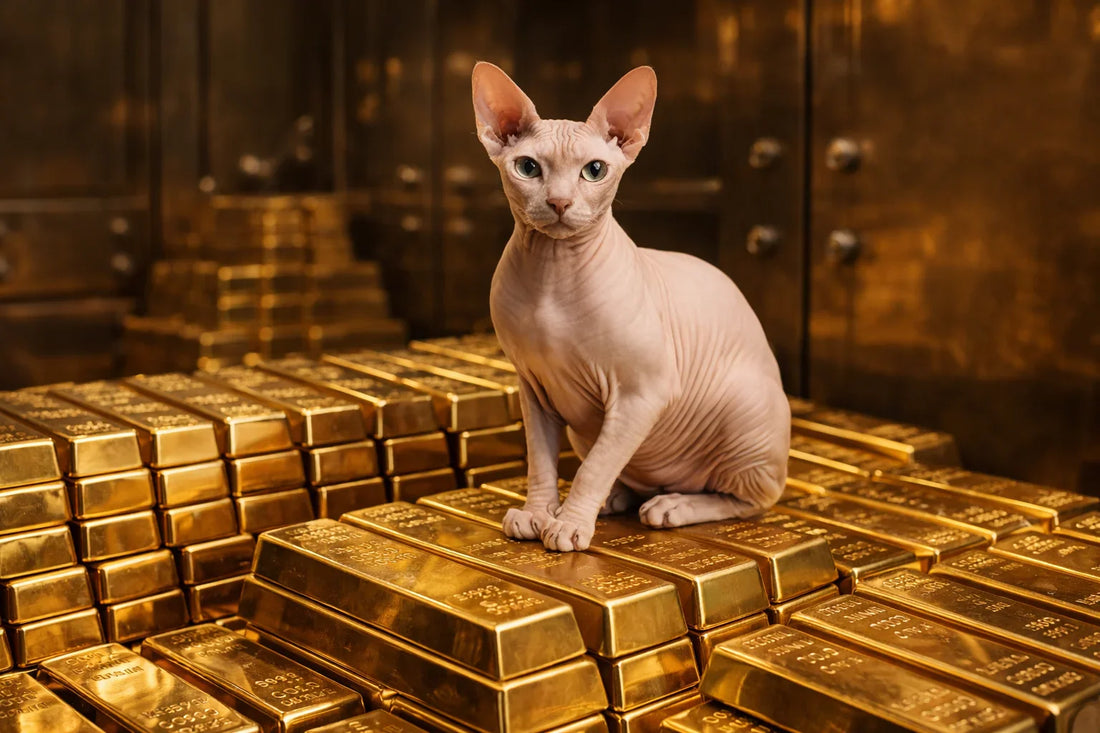
Some cat breeds cost more than a vacation. Others can cost more than a used car. If you’ve ever wondered why a kitten can have a four- or five-figure price tag, you’re not alone.
In this guide, we’ll rank the most expensive cat breeds in the world from least expensive to most expensive, share an estimated dollar range for each, and explain the real reasons behind the price.
We ranked each breed by its typical top-end price from reputable, ethical breeders—so the cats that can realistically reach the highest purchase prices appear higher on the list. When price ranges overlapped, we used rarity, breeding difficulty, and demand as tie-breakers, since those factors are usually what push costs up the most.
Quick note on pricing: The ranges below are estimates in US dollars for a pet-quality kitten from a reputable breeder. Prices can change based on where you live, the kitten’s pedigree, color, and whether breeding rights are included. Adoption is often much less expensive, and it can be a great option if you’re open to an adult cat.
Why Do Some Cat Breeds Cost So Much?
When you pay a high price for a cat, you’re not paying for a “fancy label.” You’re paying for time, expertise, and real costs that happen long before the kitten comes home.
Rarity and small breeding programs
Some breeds have very few active breeders. Fewer cats means fewer litters, longer waitlists, and higher prices. Imported bloodlines can raise the price even more.
Hard-to-breed cats and small litters
Not every breed is easy to produce. Some have smaller litters, longer gaps between litters, or special breeding challenges. Hybrid cats (cats with wild cat ancestry in their recent family tree) are often the hardest and most expensive to produce.
Health testing and responsible early care
Ethical breeders spend money on veterinary care, genetic screening, vaccines, early socialization, and clean living spaces. That improves kitten health and temperament, but it also raises the upfront price.
Demand, trends, and “wow” looks
When a breed becomes popular online, demand can outpace supply quickly. High demand pushes prices up, especially for kittens with rare colors or standout markings.
Travel, paperwork, and legal rules
For rare breeds and hybrids, travel costs and paperwork can be part of the final price. Some hybrids are restricted in certain areas, which can also affect where kittens are available.
Most Expensive Cat Breeds in the World (Ranked Least to Most Expensive)
Price ranges can overlap, but this list moves from “still pricey” to “seriously expensive.”
1) Maine Coon
Maine Coons are famous for their size, fluffy coats, and friendly personalities. They’re one of the most popular large cat breeds, and that popularity keeps demand high.
- Estimated price range: $1,000–$2,500
- Why they cost more: Large cats cost more to raise well, and reputable breeders often keep kittens longer for proper growth and socialization.
- Good to know: Their thick coat needs regular brushing, and big cats can have higher food and vet costs over time.

2) British Shorthair
With a round face and plush coat, the British Shorthair has a “teddy bear” look many people love. They’re usually calm, affectionate, and easy to live with.
- Estimated price range: $1,500–$3,000
- Why they cost more: Strong demand, limited high-quality lines, and careful breeding to maintain their classic build and coat texture.
- Good to know: Very low prices are a red flag. When a breed is popular, scams and irresponsible breeding can increase.

3) Persian
Persians are known for their long, glamorous coat and sweet, laid-back vibe. They can also require serious grooming and careful health planning.
- Estimated price range: $1,500–$4,000
- Why they cost more: Responsible breeders invest in health screening and careful pairing, and the breed’s coat and face structure take skilled, long-term breeding to maintain.
- Good to know: Daily brushing is common, and some Persians need extra eye care and regular vet checkups.

4) Peterbald
The Peterbald is a rare, elegant breed that can be hairless or have a very short “peach fuzz” coat. They’re smart, social, and often stay close to their people.
- Estimated price range: $1,700–$4,000
- Why they cost more: Rarity and small breeding programs, plus extra care for skin and temperature comfort in hairless lines.
- Good to know: Hairless or nearly hairless cats need warmth, sun protection, and regular skin cleaning.

5) Sphynx
The Sphynx is the best-known hairless cat. They’re playful, people-focused, and often act like they want to be part of everything you do.
- Estimated price range: $2,000–$4,500
- Why they cost more: Specialized breeding lines, strong demand, and extra early care to keep hairless kittens healthy.
- Good to know: Sphynx cats usually need regular baths or wipe-downs to manage skin oils, plus warmth in cooler homes.

6) Scottish Fold
Scottish Folds are instantly recognizable by their folded ears. That unique look is exactly why they’re popular, and it’s also why you should research carefully before buying.
- Estimated price range: $2,000–$5,000
- Why they cost more: High demand and limited ethical breeding. Many reputable breeders invest heavily in health screening.
- Good to know: The gene that causes folded ears is linked to cartilage and joint problems. If you’re considering a Scottish Fold, talk to a vet and choose breeders who prioritize health and transparency.

7) Bengal
Bengals have a wild-looking spotted or marbled coat, but they’re domestic cats. They’re athletic, curious, and usually need more play and mental stimulation than an average cat.
- Estimated price range: $1,500–$4,500
- Why they cost more: Pricing often depends on coat pattern quality, pedigree, and how much work went into socializing a high-energy kitten.
- Good to know: Bengals thrive with climbing space, puzzle toys, and daily interaction. A bored Bengal can become destructive.

8) Toyger
Toygers were developed to look like a miniature “toy tiger,” with bold stripes and a confident, outgoing nature. They’re rarer than many mainstream cat breeds.
- Estimated price range: $2,000–$5,000
- Why they cost more: Limited breeders, careful selection for stripe pattern and body type, and long waitlists.
- Good to know: Because they’re rare, verify breeder reputation and avoid sellers who can’t provide health records.

9) Chausie
The Chausie is a hybrid breed with wild cat ancestry. They’re tall, energetic, and can be a lot of cat for a first-time owner.
- Estimated price range: $2,000–$10,000
- Why they cost more: Hybrid breeding is complex, and early-generation cats can be difficult to produce. Fewer breeders also means higher prices.
- Good to know: Hybrids may have special diet, space, and enrichment needs. Always check local laws before bringing one home.

10) Khao Manee
Khao Manees are rare, striking cats known for their pure white coat and bright eyes (sometimes even two different eye colors). Outside of their country of origin, there are simply not many kittens available.
- Estimated price range: $7,000–$11,000
- Why they cost more: Extreme rarity, small breeding pools, and the cost and risk of importing healthy, well-bred cats.
- Good to know: All-white cats, especially those with blue eyes, can have a higher risk of congenital deafness. Ask what health checks have been done.

11) Savannah
Savannah cats are hybrid cats known for long legs, spotted coats, and big personalities. This is the breed that can reach five figures, especially in early generations.
- Estimated price range: $1,500–$20,000+
- Why they cost more: Early-generation Savannahs are challenging to breed, litters can be small, and demand is very high for kittens with strong “wild” traits.
- Good to know: Later-generation Savannahs may be closer to the low end of the range, while early generations can be far higher. They’re active and intelligent, and rules vary by location, so confirm legal ownership where you live.

Hidden Costs: The Price Tag Is Only the Beginning
Even if you can afford the kitten, plan for everything that comes next. Expensive breeds often have expensive needs.
- First-year vet care: exams, vaccines, spay/neuter, microchip, and parasite prevention
- Ongoing medical costs: routine visits, dental care, and emergency savings
- Food and litter: large or high-energy breeds may eat more, and some owners choose premium diets
- Grooming: long-haired cats may need brushes, combs, and occasional professional grooming
- Breed-specific care: hairless cats may need bathing and skin care; hybrids may need extra enrichment and space
How to Buy an Expensive Cat Without Regrets
High prices attract scammers and careless backyard breeders. A little caution up front can save you money and heartbreak later.
Signs of an ethical breeder
- They ask you questions, too (good breeders care where kittens go).
- They share health records, vaccination history, and vet paperwork.
- They let you see the kitten’s living space or offer a real-time video tour.
- They have a contract that explains spay/neuter, health guarantees, and return policies.
Red flags to watch out for
- Prices far below the normal range for the breed
- Pressure to pay quickly, especially with hard-to-trace payment methods
- No proof of health checks, no vet records, or “papers later” promises
- Sellers who refuse live calls, video, or any real-time proof the kitten exists
FAQ: Expensive Cat Breeds
What is the most expensive cat breed?
Savannah cats are often the most expensive because early-generation kittens can cost many thousands of dollars.
Are expensive cats better pets?
Not automatically. Price doesn’t guarantee the right fit. The best cat for you depends on energy level, grooming needs, health, and personality.
Why do hybrid cats cost more?
Hybrid cats are typically harder to breed, may have smaller litters, and require extra experience and care from the breeder. They can also have legal restrictions in some areas.
Can I adopt these breeds instead of buying?
Sometimes, yes. Breed-specific rescues and shelters occasionally have purebred cats, especially adults. Adoption fees are usually much lower than breeder prices.
Do coat color and patterns change the price?
They can. Rare colors, high-contrast patterns, and “show-quality” traits often cost more because they’re harder to produce consistently.
What questions should I ask before I buy?
Ask about health testing, vaccinations, socialization, temperament, parent history, and what support the breeder offers after you bring the kitten home. A good breeder will welcome questions.
These cats can be wonderful companions, but the best “luxury” choice is a healthy cat from a responsible source—and a home that’s truly ready for the care that cat will need for years to come.