
Are Cremation Ashes Really Ashes or Bone Fragments?
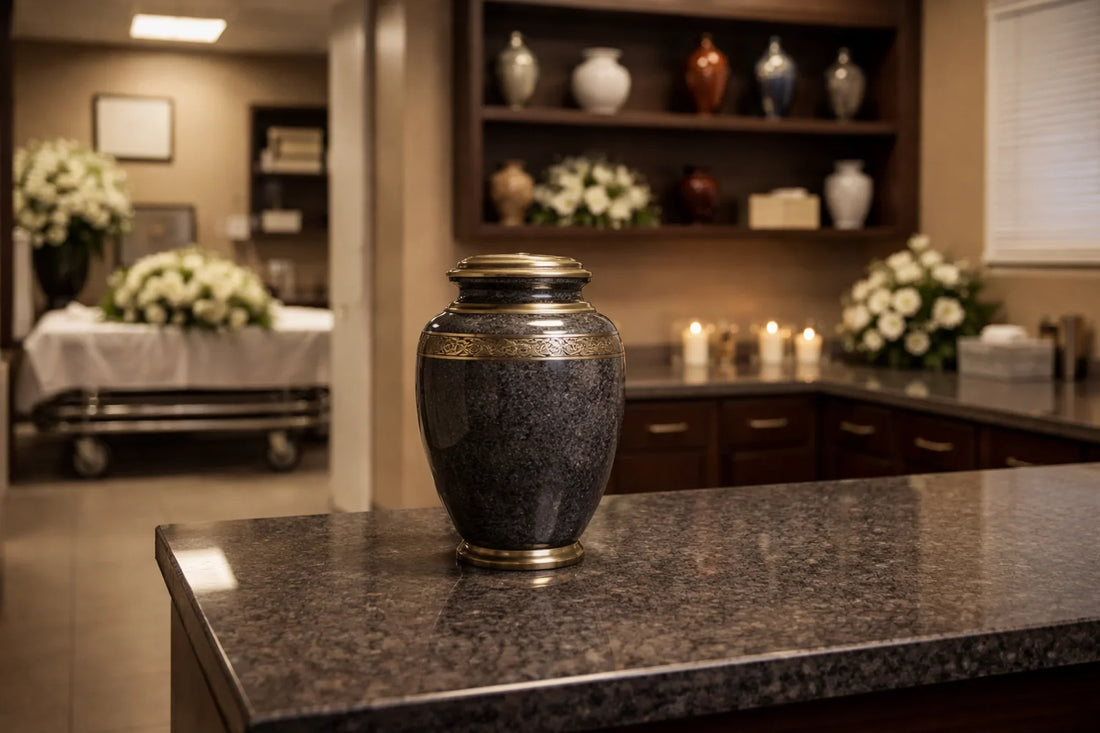
When families ask whether cremation ashes are really ashes or bone fragments, they are usually trying to picture what will actually be returned after cremation.
The honest answer is that the material placed in an urn is not ash in the same way people think of ash from a campfire, fireplace, or piece of paper. In most cases, cremation ashes are primarily the processed mineral remains of bone.
That does not mean families receive large or recognizable fragments. By the time the cremation process is complete, the remaining bone is carefully reduced to a fine, dry, consistent texture.
It often looks light gray, white, or off-white, and it may feel more like coarse sand than soft powder. The word "ashes" remains common because it is familiar, simple, and widely understood, but the more precise term is cremated remains.
Understanding that difference can answer a lot of questions at once. It explains why cremation ashes can feel heavier than expected, why they are not fluffy or black, and why different urns, scattering options, and keepsakes may work better than others.
For families making arrangements or simply trying to understand the process, knowing what cremation ashes really are can make an unfamiliar topic feel much clearer.
The Short Answer
Cremation ashes are usually processed bone fragments, not soot or soft ash. During cremation, heat removes water and consumes the body's organic tissues. What remains afterward is the mineral structure of the bones. Those remaining fragments are then cooled, any non-combustible items are separated, and the fragments are placed through a processor that reduces them to the fine material families receive.
So in everyday conversation, it is completely normal to call them ashes. But in a literal sense, they are not the same as the light, dusty residue left after burning wood, paper, or leaves. They are better described as finely processed cremated remains.
This distinction matters because the phrase "bone fragments" can sound much harsher than the reality. Families are not usually given large, visible fragments. What they receive is a respectful, uniform material that has been prepared for placement in an urn, scattering, burial, or another memorial choice.
What Happens During Cremation
Cremation uses intense heat inside a specially designed chamber. Over the course of the cremation, water evaporates and soft tissue is consumed by heat and airflow. Materials that cannot burn in the same way as organic tissue do not turn into smoke or soot. Instead, the mineral portion of the skeleton remains behind.
After the cremation is complete, the remains are allowed to cool. At that stage, what is left is not a cloud of fluffy ash. It is a collection of dry, fragile bone fragments. These fragments are then carefully gathered according to the crematory's procedures. Any metal items that may remain after cremation are separated before the final processing step.
The remaining bone fragments are then reduced in size in a specialized processor. This is the step that turns the remains into the fine, even consistency most families expect when they hear the term "ashes." Without this step, the material would be much coarser and more obviously skeletal in appearance.
That is why it is accurate to say cremation ashes begin as bone fragments but are not usually received as unprocessed fragments. The final material in the urn is the result of both the cremation itself and the post-cremation processing that follows. Exact equipment and procedures can vary slightly by crematory and local regulations, but the basic answer does not change: the final material is made primarily from processed bone, not soft ash.
Why They Are Called Ashes Even Though They Are Not Fireplace Ash
The word "ashes" has stayed in common use because it is familiar, simple, and easier for most families to say and hear. It has become the everyday term for what is returned after cremation, even though it is not scientifically exact.
Funeral professionals often use the phrase cremated remains when they want to be more precise. That wording reflects what the material actually is without sounding overly technical. Both expressions are widely used, but they are not identical in meaning. "Ashes" is the common term; "cremated remains" is the more accurate one.
This is also why many people are surprised when they first learn the composition of cremation ashes. They imagine something black, weightless, and dusty, like the residue from a burned log. In reality, cremated remains are usually lighter in color, denser in texture, and more granular because they come largely from processed bone mineral rather than from combustible organic material.
What Cremation Ashes Actually Look and Feel Like
Most cremation ashes do not look like the dark ash from a fireplace. They are usually pale in color, often ranging from white to light gray, with a dry texture that can feel more like fine sand than soft powder. Some remains appear very uniform, while others may contain slightly coarser particles. Both can be normal.
Families are sometimes surprised by the texture. Because the material is made from processed bone rather than soot, it tends to have more substance and weight than people expect. It is not fluffy, and it usually does not smear like charcoal dust. Instead, it is dry, granular, and somewhat dense for its volume.
The appearance can also vary from person to person. One set of cremated remains may look almost chalky white, while another may be a light gray with small darker flecks. That variation does not usually mean anything is wrong. It simply reflects natural differences in bone mineral content, the cremation process, and the final reduction of the remains.
In practical terms, this is why an urn should be selected with realistic capacity in mind and why scattering can feel different than people expect. The material behaves more like a fine granular substance than like smoke or fireplace ash.
Why the Color and Texture Can Vary
There is no single universal appearance for cremation ashes. Even when cremation is performed carefully and properly, the final remains can vary somewhat in shade and texture. Several factors can influence what families see.
Bone density is one factor. A larger adult may produce remains that feel somewhat coarser or heavier than those of a smaller person. Natural mineral content can also affect the final look. That is one reason the color may range from bright white to pale gray or off-white.
The processor used after cremation also influences consistency. Some crematories reduce the remains to a very fine texture, while others leave a slightly more granular appearance. Neither result changes the basic answer to the question. In both cases, the material is still primarily processed bone rather than soft ash.
The cremation container and the exact conditions inside the chamber can also play a small role in the final appearance. What matters most for families to know is that variation is normal. The remains do not have to look exactly the same from one person to another in order to have been handled properly and respectfully.
Are There Really Bone Fragments in the Urn?
In a technical sense, yes. The final material placed in the urn comes from bone fragments that remain after cremation and are then processed into a finer consistency. That is the most accurate way to answer the question.
In a visual sense, however, families usually do not see large, recognizable fragments. By the time the remains are returned, they have typically been reduced so that they appear uniform and unrecognizable. What you see in the urn is usually a fine to slightly granular material, not intact pieces of bone.
This distinction is important because the phrase "bone fragments" can create an image that is much harsher than reality. The remains are not returned in the condition they are in immediately after the cremation chamber is opened. They are respectfully processed first, which is why most families describe the material as looking like powder or coarse sand rather than fragments.
If a few slightly larger particles are present, that can still be normal. It does not change the overall fact that cremation ashes are primarily processed skeletal remains. The common word is still "ashes," but the more exact description is processed cremated remains.
What This Means for Urns, Scattering, and Keepsakes
Knowing that cremation ashes are processed bone fragments can be helpful when making memorial decisions. Because the material has real weight and a somewhat granular texture, it behaves differently than many people expect.
For urn selection, this matters because cremated remains are not weightless. The substance placed inside the urn has density, and adult remains can take up more space than people assume. Choosing an urn with appropriate capacity is important, especially if the remains will stay in one permanent vessel.
For scattering, understanding the texture matters for practical reasons. Cremated remains do not float like smoke. They fall with more weight than fireplace ash and can move differently in the wind. Families planning a scattering ceremony often find it helpful to understand this ahead of time so the experience feels intentional and not surprising.
For keepsakes and jewelry, the composition matters because only a small amount is usually needed. The fine, dry texture makes it possible to divide cremated remains among multiple memorial items if that is part of the family's plan.
It can also be helpful emotionally. Many people feel unsettled by not knowing what "ashes" really are. A clear explanation often replaces uncertainty with a more grounded understanding. The final remains in the urn are not random residue. They are the carefully prepared cremated remains of the person you love.
Common Questions Families Ask About Cremation Ashes
Are cremation ashes the same as fireplace ash?
No. Fireplace ash comes from burned organic fuel like wood or paper. Cremated remains are mostly processed bone mineral, so they look and feel different.
Why do cremation ashes feel gritty?
They usually feel gritty because they are not soot. They are the reduced mineral remains of bone, which gives them a dry, granular texture.
Can there be slightly larger particles in the urn?
Yes. Some remains are processed more finely than others, so a slightly varied texture can still be normal.
Why do funeral homes still call them ashes?
Because it is the common, widely understood term that most families already use. "Cremated remains" is usually the more precise description.
Final Thoughts
If you have ever asked, "Are cremation ashes really ashes or bone fragments?" the most accurate answer is this: they are primarily processed bone fragments, even though almost everyone still calls them ashes. That does not make the common term wrong. It just means it is informal rather than literal.
For most families, the important takeaway is simple. The remains returned after cremation are usually light in color, dry, and granular. They are not like fireplace ash, and they are not usually large visible fragments either. They are the carefully processed cremated remains placed in an urn or prepared for the memorial choice your family makes next.
When people understand that difference, the process often feels less mysterious. And in a moment when clear answers matter, that understanding can bring a little more confidence and peace.
Share
Continue reading


