
Can Cremated Remains Be Buried in a Cemetery? What Families Should Know
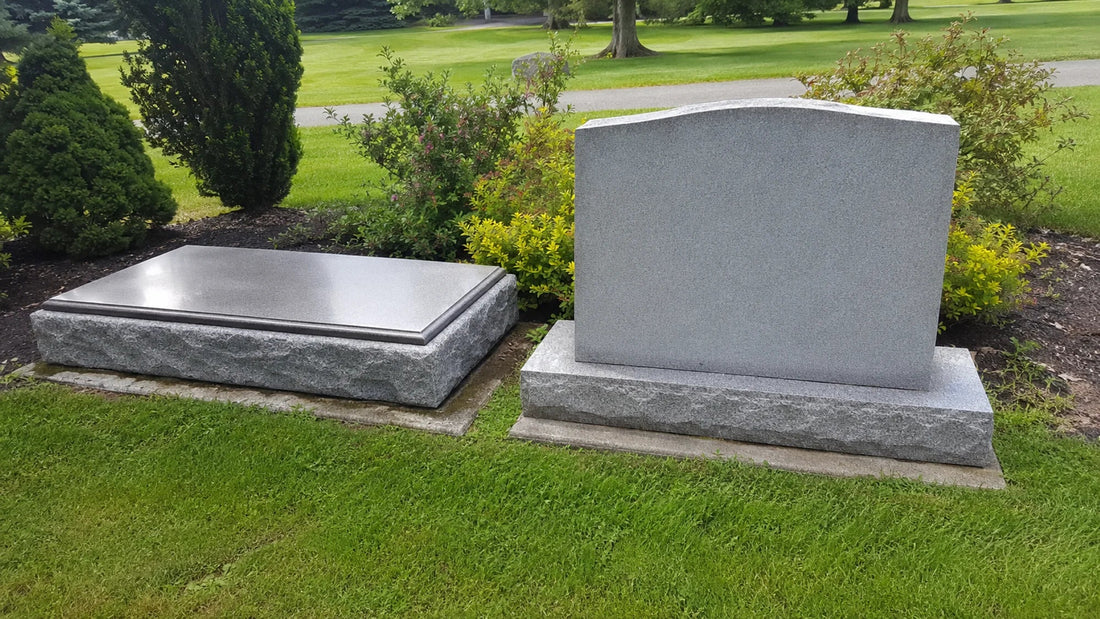
Yes, cremated remains can usually be buried in a cemetery. In fact, cemetery burial is one of the most common options families choose after cremation. While many people think of cremation as leading only to scattering or keeping an urn at home, burial is also a standard and meaningful choice.
For some families, burying cremated remains offers the same sense of permanence and structure that comes with traditional burial. It creates a dedicated place to visit, remember, and honor a loved one. It can also make long-term planning easier, especially when a family wants the remains placed in a family plot or in a cemetery with other relatives.
At the same time, cremation burial is not exactly the same as burying a casket. Cemeteries may offer different sections, container requirements, pricing structures, and memorial options for cremated remains. Some allow burial in a standard grave, some have smaller cremation plots, and some offer special urn gardens designed specifically for this purpose.
If you are considering this option, it helps to understand how cemetery burial of ashes works, what choices are available, and what questions to ask before making a decision. Here is what families should know.
Yes, Cremated Remains Can Usually Be Buried in a Cemetery
In most cases, the answer is yes. Cemeteries commonly allow cremated remains to be buried, and many have specific options created just for cremation. This means choosing cremation does not close the door on a traditional cemetery setting. Families can still have a graveside service, a marked burial space, and a permanent place of remembrance.
That said, each cemetery has its own rules. One cemetery may offer a dedicated cremation garden, while another may allow urn burial in a standard family plot. Some may require an urn vault or outer container, and others may not. The general idea is simple, but the details depend on the cemetery’s policies.
This is why it is important not to assume that every cemetery handles cremated remains the same way. The right first step is usually to ask what cremation burial options are available and what requirements apply at that specific location.
Why Families Choose Cemetery Burial After Cremation
Families choose cemetery burial for many different reasons. For some, it is about tradition. Even if cremation is the preferred disposition, they still want a gravesite, a marker, and a place where relatives can gather over time. A cemetery provides that sense of permanence.
For others, burial solves practical questions about what to do with the ashes. Keeping an urn at home may feel right at first but less certain later. Scattering may not appeal to everyone, especially if different family members have different feelings about where the remains should go. Burial can feel more settled and more universally comfortable for everyone involved.
There is also the emotional value of having a specific place to visit. A cemetery can become part of the family’s remembrance tradition on birthdays, holidays, anniversaries, or simply quiet visits when someone wants a place to reflect.
In some situations, burial also allows families to keep loved ones together. If there is an existing family plot or companion grave arrangement, placing cremated remains in the cemetery can be a way to create continuity across generations.
What Cemetery Burial for Cremated Remains Can Look Like
There is not just one way to bury cremated remains in a cemetery. The exact arrangement depends on the cemetery and the family’s goals. Some of the most common options include ground burial in a dedicated cremation plot, burial in a standard grave space, placement in a family plot, or burial in a section designed specifically for urns.
A dedicated cremation plot is often smaller than a full burial plot because it is designed for an urn rather than a casket. This can make it a good fit for families who want a cemetery burial without the cost or size of a traditional grave space.
Some cemeteries also allow cremated remains to be buried in a regular burial plot. In some cases, more than one urn may be allowed in the same space, though that varies by cemetery. This can be especially meaningful for spouses or close family members who want to be laid to rest together.
Another option is a cremation garden or urn garden. These sections are often landscaped specifically for cremation burial and may include smaller markers, flush memorial plaques, or other styles of remembrance that differ from traditional upright headstones.
All of these arrangements can offer dignity and permanence. The best choice depends on whether the family wants simplicity, a family-centered location, a lower-cost burial space, or a more traditional graveside setting.
Can Cremated Remains Be Buried in an Existing Family Plot?
Often, yes. Many cemeteries allow cremated remains to be buried in an existing family grave or plot, but this depends on the cemetery’s rules and the rights associated with that space. Some families choose this option because they want the cremated remains placed with a spouse, parent, or other relative.
This can be a meaningful way to keep family members together, but it is not something to assume automatically. The cemetery will usually need to confirm whether the plot can accommodate an urn burial, whether multiple interments are allowed, and who has the legal authority to approve the burial.
In some cases, the urn may be buried above or beside an existing casketed burial. In others, the cemetery may limit how many remains can be placed in a single plot. The important point is that existing family space may be an option, but the cemetery should confirm exactly what is permitted.
Do You Need an Urn to Bury Cremated Remains?
Usually, cremated remains are buried in some type of urn or burial container, but the exact requirement depends on the cemetery. Some cemeteries allow burial in a simple container. Others require a more durable burial urn. Still others may require an urn vault or outer container around the urn.
Families sometimes assume that once cremation is complete, any container will do. In practice, cemetery policies often shape that decision. If the burial will take place in the ground, the cemetery may want a container that fits its maintenance standards or that offers additional support for the burial space.
The good news is that there are many options. Some families choose a basic urn for cemetery burial. Others choose a metal, stone, or cultured marble urn intended for long-term placement. Some prefer biodegradable materials if the cemetery permits them. The right container depends on the cemetery’s rules, the burial setting, and the family’s preferences.
Because container requirements vary, it is wise to ask the cemetery before buying an urn. That can prevent the family from purchasing something that is beautiful but not suited to the burial plan.
What Is an Urn Vault and Will You Need One?
An urn vault is a protective outer container that surrounds the urn when it is buried in the ground. Not every cemetery requires one, but some do. The purpose is often practical rather than ceremonial. It can help support the ground above the burial site and provide additional protection around the urn.
If a cemetery requires an urn vault, that will usually be part of the burial planning conversation. Some families are surprised by this because they expected the urn alone to be enough. Whether it is required depends entirely on cemetery policy, not on cremation itself.
This is one of the reasons cremation burial can involve more decisions than people expect. There may be a difference between what is possible in theory and what is required at a specific cemetery. Asking early about vault requirements can help families plan both the logistics and the cost more accurately.
What the Burial Process Usually Looks Like
The burial process for cremated remains is usually straightforward. First, the family selects the cemetery and the burial space. That may be a new cremation plot, an existing family plot, or another approved location within the cemetery. The cemetery then explains any rules about urns, vaults, markers, and scheduling.
Next, the cremated remains are prepared for burial in the chosen urn or container. If the family already has the remains at home, they are brought to the cemetery or funeral home for the burial arrangement. If the funeral home is coordinating the burial, it may handle the transfer and scheduling directly.
On the day of burial, there may be a simple graveside committal, a religious service, a military honors ceremony if applicable, or a private family gathering. Some families choose only a brief moment at the gravesite. Others want something more formal, with readings, prayers, music, or remarks from loved ones.
After the burial, the cemetery completes the closing of the grave and later places the marker if one has been selected. In some cases the marker is installed right away, but often it happens after the burial depending on the cemetery’s process and the type of memorial chosen.
Can Burial Happen Right After Cremation?
Yes, it can, but it does not have to. Some families arrange burial very soon after the cremation is complete. Others keep the urn for a period of time and decide on cemetery burial later. There is no single timeline that every family has to follow.
This flexibility is one reason cremation appeals to many people. It allows time for family members to travel, for cemetery decisions to be made carefully, or for a burial service to be planned on a date that feels right. In some cases, the remains may stay at home temporarily until the family is ready to move forward with cemetery placement.
What matters is that the burial plan fits the family’s emotional, practical, and financial circumstances. Some want immediate final placement. Others need more time. Either approach can be appropriate.
How Much Does It Cost to Bury Cremated Remains in a Cemetery?
The cost can vary quite a bit depending on the cemetery and the type of burial selected. In general, families may need to think about several separate costs: the burial space itself, the opening and closing of the grave, the urn, any required urn vault, the marker or memorial, and any service fees tied to the burial ceremony.
One reason families choose cremation burial is that it can sometimes cost less than a full traditional burial. A smaller cremation plot may be less expensive than a standard casket grave, and the burial process may be simpler overall. But lower cost should never be assumed without checking the details. Some cemeteries price cremation sections differently, and memorial or vault requirements can add to the total.
The most useful approach is to ask for a clear breakdown. That helps families understand what is included, what is optional, and what decisions are still ahead. It also makes it easier to compare cemeteries if more than one location is being considered.
What Memorial Options Are Available After Burial?
Burying cremated remains in a cemetery gives families a wide range of memorial options. Depending on the cemetery, the grave may be marked with an upright headstone, a flat marker, a bronze plaque, or another form of permanent memorial. Some cremation gardens have their own style requirements, which can affect the type and size of marker allowed.
For many families, the memorial is one of the biggest reasons to choose cemetery burial. It provides a place with a name, dates, and sometimes a short inscription that reflects the person’s life. That can be deeply meaningful for future generations who want a place to visit and remember.
Some families also choose to add flowers, seasonal decorations, or personal touches within the cemetery’s rules. Others prefer a very simple marker and let the setting itself do the work of remembrance. There is no single right choice. The important part is that the burial site becomes a place of honor and memory.
How Cemetery Burial Differs From a Columbarium
It is helpful to distinguish between burial in a cemetery and placement in a columbarium. Both are common options for cremated remains, but they are not the same. Burial means the urn is placed in the ground. A columbarium is an above-ground structure with niches that hold urns.
Some families prefer burial because it feels more traditional or because they want the remains placed in a family plot. Others prefer a columbarium because it avoids ground burial while still offering a permanent place of remembrance. In some cemeteries, both options are available.
If the family knows they want the remains in the ground, then they should focus specifically on burial options rather than assuming every cemetery offering cremation memorialization handles both in the same way.
Questions to Ask the Cemetery Before Making a Decision
Because rules and pricing vary, asking a few direct questions can make the decision much easier. Families may want to ask:
- Do you allow cremated remains to be buried in this cemetery?
- Do you offer dedicated cremation plots or gardens?
- Can cremated remains be buried in an existing family plot?
- How many urns are allowed in one grave space?
- Do you require a specific type of urn or an urn vault?
- What are the costs for the plot, opening and closing, and memorial?
- What marker styles are allowed in this section?
- Can we hold a graveside service at the time of burial?
These questions help families avoid assumptions and give them a clear view of what the process will involve. They also make it easier to choose a cemetery arrangement that feels right both emotionally and financially.
Final Thoughts
Yes, cremated remains can usually be buried in a cemetery, and for many families it is a meaningful and practical choice. It offers permanence, a dedicated place of remembrance, and the ability to keep loved ones together in a cemetery setting.
The exact options depend on the cemetery. Some offer cremation gardens, some allow burial in standard or family plots, and some require specific urns or vaults. That is why the best next step is always to ask the cemetery exactly what it allows and what it recommends.
For families who want more than temporary storage of an urn or who feel uncertain about scattering, cemetery burial can provide clarity and peace of mind. It combines the flexibility of cremation with the lasting value of a marked resting place, which is why it remains an important option for so many people.
Share
Continue reading


