
Can Cremated Remains Be Placed in a Columbarium? What Families Should Know
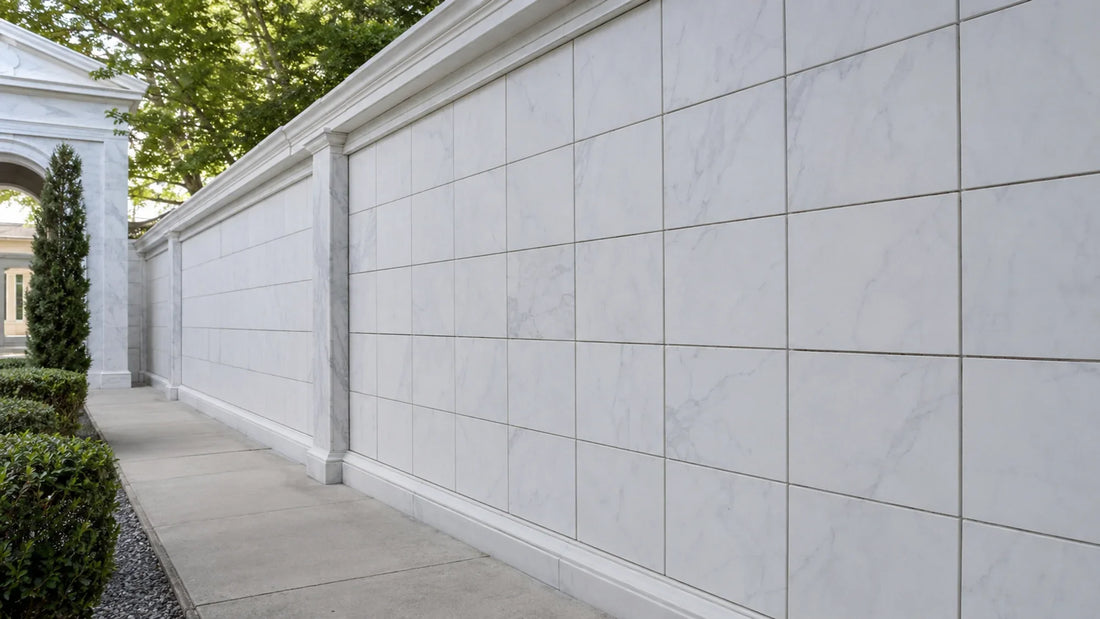
Can cremated remains be placed in a columbarium? Yes. In many cases, a columbarium is one of the most common and practical permanent resting places for cremated remains. Families who choose cremation often want something more lasting than keeping an urn at home, but simpler than a full in-ground burial. A columbarium can meet that need by providing a dedicated space for an urn in a cemetery, mausoleum, church, funeral home, or memorial garden setting.
For many people, the word “columbarium” is unfamiliar until they begin making funeral arrangements. Once they learn what it is, it often becomes an appealing option. It provides a permanent place to visit, reflect, pray, and remember. It also gives families the structure and dignity of a formal resting place without requiring a traditional casket burial.
If you are comparing options after cremation, the short answer is simple: yes, cremated remains can usually be placed in a columbarium. The more useful question is whether a columbarium is the right choice for your family, your budget, and the kind of memorial you want to create. Understanding how columbariums work can make that decision much easier.
The Short Answer
A columbarium is specifically designed to hold cremated remains. It contains small compartments called niches, and each niche is intended for one urn or, in some cases, more than one urn depending on its size and the rules of the property. Once the cremated remains are placed there, the niche is typically sealed and marked with the person’s name and memorial details.
For families who want a permanent resting place after cremation, a columbarium is often one of the clearest options available. It offers a dedicated location for remembrance, much like a gravesite, but in a form that is better suited to cremated remains.
So if you are asking whether cremated remains can be placed in a columbarium, the answer is generally yes. In fact, that is exactly what a columbarium is for.
What Is a Columbarium?
A columbarium is a structure built to house cremation urns. It may be a free-standing wall, part of a larger mausoleum, an indoor memorial room, or an outdoor garden feature with rows of niches. Each niche is a small enclosed space where an urn is placed after cremation.
The idea is simple, but the experience can vary widely. Some columbariums are very modest and functional. Others are beautifully designed, with landscaping, benches, religious symbols, engraved fronts, flowers, and quiet walking paths. Some are indoors and climate controlled. Others are outdoors and intended to feel like a traditional cemetery setting.
What they all have in common is purpose. A columbarium provides a permanent and respectful place for cremated remains. That permanence is often what makes it attractive to families who want something more formal than storing an urn privately.
How a Columbarium Works
After cremation, the remains are placed in an urn or another approved container. If the family chooses a columbarium, the urn is then placed inside a niche. The front of the niche is usually closed with stone, metal, glass, or another durable panel. The panel may display the person’s name, birth and death dates, and sometimes a short inscription, religious symbol, or simple design element.
The placement of cremated remains in a niche is sometimes called inurnment. This is similar in purpose to burial or entombment, but it is specifically for cremated remains. Once the urn is in place and the niche is sealed, the family has a permanent site to visit.
Some families choose a niche immediately after cremation. Others keep the urn temporarily and decide on a columbarium later. Either approach is possible, but many people appreciate having a clear long-term plan from the beginning so there is no uncertainty about the final resting place.
Why Families Choose a Columbarium
Families choose columbariums for many reasons, and cost is only one of them. Often the decision is about permanence, simplicity, and the desire for a dedicated place of remembrance.
A columbarium can be a good fit for families who want:
- A permanent resting place without a full grave burial
- A place to visit on anniversaries, holidays, or quiet personal moments
- A memorial setting that feels structured and dignified
- A simpler option for relatives who may not want to care for an urn at home forever
- A shared location for multiple family members in the future
For some people, keeping cremated remains at home feels right at first but becomes more complicated over time. Homes change. Families move. Possessions are passed on. A columbarium can remove that uncertainty by giving the remains a stable location that does not depend on one person’s future living situation.
Others choose a columbarium because they want something that feels more formal than scattering. They may appreciate the lasting memorial aspect and the fact that the space can often be personalized while still remaining orderly and easy to maintain.
Where Columbariums Are Usually Located
Columbariums are found in many different settings. The most common location is a cemetery, where the columbarium serves as the cremation equivalent of a gravesite area. In this setting, families may have access to walking paths, landscaping, memorial features, and nearby burial sections for other relatives.
Some churches also have columbariums, especially if they want to offer members a sacred place of remembrance close to the worshiping community. In these cases, families may find comfort in knowing that the person’s remains rest in a location tied to prayer, faith, and continuity.
Columbariums may also be located in mausoleums, memorial parks, or funeral home properties. The setting can shape the atmosphere. An outdoor garden columbarium may feel open and peaceful. An indoor columbarium may feel quiet, private, and protected from weather. Neither is automatically better. It depends on what the family wants and what is available locally.
Indoor vs. Outdoor Columbarium Options
One of the first choices families may face is whether they prefer an indoor or outdoor niche. Both options can be appropriate, but they create different experiences.
An indoor columbarium offers shelter from weather and may feel especially calm and contained. Visitors can come in any season without worrying about heat, rain, snow, or wind. Indoor spaces may also feel more formal, similar to a chapel or mausoleum corridor.
An outdoor columbarium offers a different kind of comfort. It may be set in a cemetery garden, along a walkway, or within a landscaped memorial space. Families who like natural light, trees, open air, and a more traditional cemetery environment often prefer this option.
The decision usually comes down to personal preference, accessibility, and the style of memorial you want. Some families feel more at peace outdoors. Others value the privacy and weather protection of an interior setting.
Can Any Urn Be Placed in a Columbarium?
Not always. This is one of the most important practical details to confirm. Each niche has size limits, and not every urn will fit every columbarium space. Some niches are designed for standard urn sizes, while others are intended for smaller or larger containers. Companion niches may be available for two people, while single niches may only accommodate one urn.
This is why families should not assume that any decorative urn will work. A cemetery or columbarium manager can usually provide the exact measurements allowed for each niche size. In some cases, the remains may need to be placed in a different container than the one used for display at home.
Material may matter too. Some facilities have preferences about what types of urns are suitable for permanent niche placement. Asking about dimensions, container type, and installation requirements early can prevent a last-minute problem.
Can More Than One Person Be Placed in a Columbarium Niche?
Sometimes, yes. Some columbarium niches are designed for a single individual, while others are built as companion niches or family niches. A companion niche may hold two urns, often for spouses or close relatives. Larger family niches may exist in some properties, though they are less common.
Whether shared placement is possible depends on the size of the niche, the size of the urns, and the rules of the cemetery or memorial property. This is not something families should assume. It should be confirmed before purchase.
For some families, the ability to reserve adjoining niches or a shared niche is one of the main advantages of a columbarium. It allows loved ones to remain in one memorial location and can make future planning easier for the family.
Is a Columbarium a Permanent Resting Place?
Yes, a columbarium is generally intended to be a permanent resting place. That is one of its main purposes. It gives cremated remains a fixed, identifiable location where family and friends can return over time.
This permanence matters more than people sometimes realize. Immediately after a death, families may focus on the cremation itself. Later, they often begin thinking about memory, ritual, anniversaries, and the importance of having somewhere to go. A columbarium helps meet that need.
It also provides continuity across generations. Years from now, children, grandchildren, or other relatives can still find the person’s memorial space. That is often harder when cremated remains remain in private homes or are handled without a long-term plan.
What Does Placement in a Columbarium Usually Include?
What is included can vary from place to place, but columbarium arrangements often involve more than just the niche itself. Families may be paying for the right to use the niche, the opening and closing of the niche, the nameplate or engraving, and sometimes ongoing care of the surrounding memorial space.
Some properties include a basic memorial inscription in the price. Others treat engraving, emblem options, vase attachments, or decorative fronts as separate charges. In some cases, the urn is included. In others, it must be purchased separately.
This is why itemized information matters. Two columbarium options may look similar at first glance but differ quite a bit in what is included. A simple conversation about exactly what the fee covers can prevent confusion later.
How Much Does a Columbarium Cost?
Columbarium costs vary widely depending on location, setting, niche size, whether the space is indoors or outdoors, and the level of personalization involved. A niche in a simple outdoor wall may cost much less than a premium niche in a highly maintained indoor memorial space.
Other factors can affect the total as well. These may include the cemetery’s reputation, whether the niche is in a private or religious setting, the number of people the niche holds, and whether engraving or maintenance is included.
Because of that, it is better to think in terms of cost factors rather than assuming one universal price. For some families, a columbarium is a more affordable permanent option than a traditional burial plot. For others, the main appeal is not cost at all, but simplicity and permanence.
Questions to Ask Before Choosing a Columbarium
If you are considering a columbarium, a few practical questions can make the decision much easier:
- Is the niche intended for one urn or more than one?
- What urn sizes and materials are allowed?
- Is the columbarium indoors or outdoors?
- What memorial inscription options are available?
- What fees are included, and what costs are separate?
- Are there visiting hours or access restrictions?
- Can adjoining niches be reserved for family members?
- What is the long-term care plan for the property?
These questions help families compare options more clearly. They also shift the conversation from a vague idea of “somewhere to place the urn” to a specific plan that fits the family’s values and expectations.
Is a Columbarium the Right Choice for Every Family?
Not always. Some families prefer burial of cremated remains in the ground. Others want to scatter cremated remains where permitted or keep an urn at home. A columbarium is just one option, not the only one.
But it is often the right choice for families who want a permanent memorial without the complexity of traditional burial. It offers a clear balance between permanence and simplicity. It can also be especially meaningful for families who value having a specific place to visit and a memorial that remains stable over time.
In that sense, a columbarium is often less about storage and more about remembrance. It turns cremation from a practical decision into a lasting memorial plan.
Bottom Line
Can cremated remains be placed in a columbarium? Yes. That is one of the most common purposes of a columbarium. It provides a dedicated niche for an urn, a permanent resting place, and a meaningful location for remembrance.
For families who want a formal and lasting memorial after cremation, a columbarium can be an excellent option. It combines dignity, structure, and flexibility in a way that makes sense for many modern funeral plans. The most important step is to ask practical questions about niche size, location, pricing, and memorial options so the choice fits both your needs and your long-term wishes.
In the end, the value of a columbarium is not only that it holds cremated remains. It is that it gives families a place to return to, remember, and honor someone they love.
Share
Continue reading


