
Can You Have a Funeral Service Before Cremation?
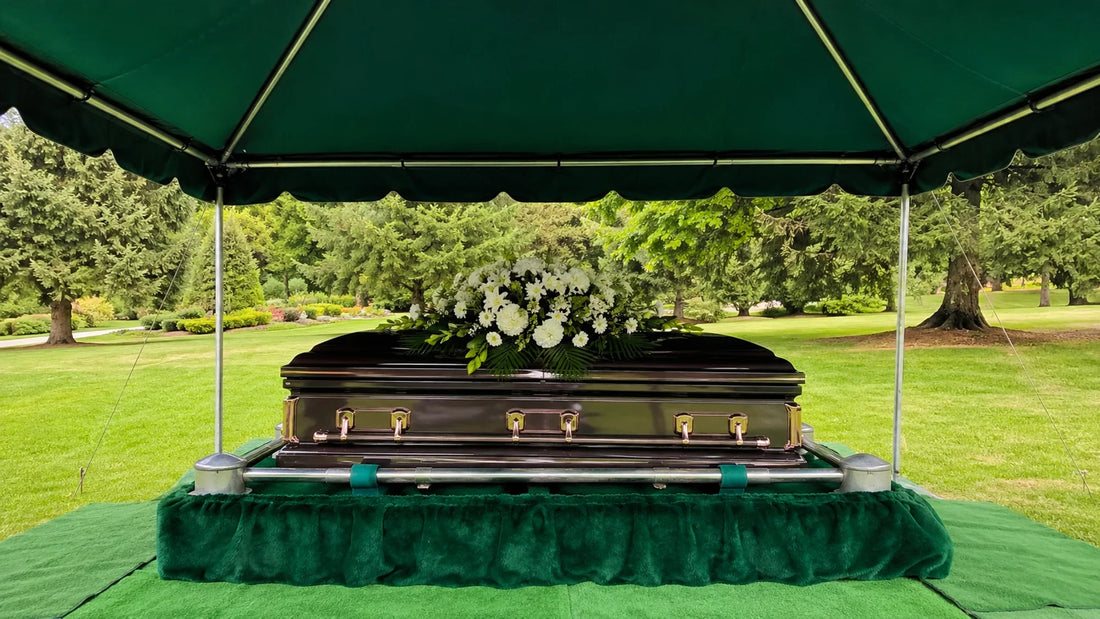
Many people assume that choosing cremation means skipping a traditional funeral entirely. That is a common misconception. In reality, cremation and the funeral service are two separate decisions. A family can choose cremation as the final disposition and still hold a visitation, viewing, church service, chapel service, or other formal farewell beforehand.
This arrangement is often called a traditional funeral followed by cremation or full-service cremation. It gives families the chance to gather in a familiar way, with the person present in a casket if they wish, while still choosing cremation afterward. For families who want both ceremony and flexibility, it can be a meaningful middle ground.
If you are trying to decide whether a funeral before cremation is possible, the simple answer is yes. The more helpful question is how that process works and whether it fits your family’s needs, beliefs, timing, and budget. Understanding the options can make the planning process feel much more manageable during a difficult time.
Yes, a funeral can happen before cremation
A funeral service before cremation is a very common choice. Cremation does not cancel out the possibility of a traditional goodbye. Instead, it changes what happens after the service. Rather than going to a cemetery for immediate burial, the person is taken to the crematory after the funeral or after a viewing period has ended.
That means families can still have many of the elements they associate with a traditional funeral. The service can include a casket, flowers, music, readings, prayers, eulogies, clergy, military honors, or quiet family reflection. It can be public or private, formal or simple, religious or nonreligious. The decision to cremate does not take those choices away.
For many people, this distinction is important. A funeral is the ceremony that helps people gather, honor a life, and support one another. Cremation is the method of final disposition. Once families understand that those are separate parts of the process, the idea of having a funeral service before cremation usually makes much more sense.
What a funeral before cremation usually looks like
In most cases, the sequence is fairly straightforward. After death, the funeral home helps the family complete the necessary arrangements, paperwork, and scheduling. If the family wants a viewing or formal service before cremation, the person is cared for and prepared for that event. The service may take place at a funeral home, a church, another house of worship, or another meaningful venue.
The funeral itself may look very similar to what people expect from any other traditional service. Family and friends gather, the casket may be present, and there is time for remembrance, prayer, music, or spoken tributes. Some families choose a visitation the evening before and a funeral the next day. Others prefer a single service with no separate viewing.
After the service is over, the person is taken for cremation. The cremated remains are then returned to the family in a temporary container or an urn they selected. At that point, the family may keep the urn, bury it, place it in a niche or columbarium, scatter the remains where permitted, or plan another ceremony later on.
Can there be a viewing or visitation first?
Yes. A viewing or visitation can absolutely take place before cremation. In fact, this is one of the main reasons families choose a funeral service before cremation in the first place. They want the opportunity to gather in person, spend time together, and say goodbye with the person present before the cremation happens.
A family may choose an open-casket visitation, a closed-casket visitation, or a private family viewing rather than a public one. Some prefer a short identification or farewell for immediate relatives only. Others want a larger calling hours format so extended family, friends, coworkers, neighbors, and community members can come through and offer condolences.
If an open-casket viewing is important, the funeral home will explain what preparation is appropriate based on timing, condition, venue, and any local requirements. In some cases, embalming or other preparation may be recommended so the viewing can be held in the way the family wants. In other cases, a closed casket or shorter private viewing may feel like the better choice. There is no single correct format. The goal is to create the kind of goodbye that feels respectful and right for the family.
Is a casket used if cremation is planned?
Often, yes. Families are sometimes surprised to learn that a casket may still be part of the service even when cremation has already been chosen. If there is a funeral or viewing before cremation, the person is frequently present in a casket during that event. This can make the service feel more familiar to relatives who are used to traditional funeral customs.
There are different ways funeral homes handle this. Some families choose a casket that will also be used for cremation. Others choose a ceremonial or rental casket for the service and then have the person transferred into an approved cremation container afterward. The right choice depends on budget, preferences, and the options offered by the funeral home or crematory.
For families who want the ceremony of a traditional funeral without planning a burial, this can be a practical solution. It allows the service to have the appearance and structure people expect, while still moving forward with cremation afterward. If casket details feel confusing, the funeral director can explain exactly how the process works and which options are available.
How the timing usually works
One reason people ask this question is because they assume cremation happens immediately. In reality, there is usually a process before cremation can take place. Authorizations, paperwork, scheduling, and coordination all need to happen. When a funeral service is planned first, the cremation is simply scheduled for afterward rather than as soon as possible.
The timeline can vary. Some families hold the service within a few days, while others need more time so relatives can travel, clergy can be scheduled, or the family can make thoughtful arrangements. Once the funeral or viewing has taken place, the cremation follows according to the provider’s schedule and the family’s instructions. The cremated remains are then returned when they are ready for pickup or delivery.
That flexibility is one reason many families like this option. They do not feel rushed into choosing between a meaningful ceremony and cremation. They can hold the funeral first, create space for mourning, and still choose cremation as the final step afterward.
Why many families choose this option
For some families, having the body present at a funeral matters deeply. It can make the loss feel real in a way that helps mourners begin processing what has happened. Seeing the person one last time, standing near the casket, or participating in familiar rituals can provide a sense of closure that is harder to recreate later.
For others, the reason is tradition. Their family, culture, or faith community may be accustomed to a funeral service with the person present, even if burial is not planned. Choosing cremation does not necessarily mean they want to let go of those customs. A funeral before cremation allows them to maintain the ceremony that feels meaningful while still choosing cremation for practical, personal, or financial reasons.
There is also a practical benefit. A funeral service before cremation gives people a defined time to gather. Friends know when to come, relatives can travel in for the service, and the community has a clear opportunity to support the family. For many mourners, that structure matters. It creates a shared moment of remembrance rather than leaving everyone to process the loss separately.
How this differs from a memorial service after cremation
It helps to distinguish a funeral service before cremation from a memorial service after cremation. In a funeral before cremation, the person is usually present in a casket and the cremation happens afterward. In a memorial service after cremation, the cremation has already taken place and the service is held later, often with an urn, photographs, or other memorial items on display.
Neither option is better in every situation. A memorial service after cremation offers flexibility. It can be scheduled weeks later, which may help if relatives need travel time or if the family wants to wait for a specific date. A funeral before cremation, on the other hand, offers the experience of gathering with the person present, which some families find more comforting and more traditional.
Some families even choose both. They may have a funeral and viewing before cremation and then a smaller interment, scattering, or celebration of life later. That approach can give people one formal farewell close to the time of death and another gathering once the cremated remains have been returned.
Can you have another service after the cremation?
Yes. Choosing a funeral before cremation does not limit the family to one ceremony. After the cremation takes place, there can still be a graveside service, urn burial, niche placement, scattering ceremony, or private family gathering. In many cases, families appreciate having that second moment because it gives them time to decide what they want to do with the cremated remains.
This can be especially helpful when family members live in different places or need time to agree on the next step. The funeral before cremation provides the immediate opportunity to mourn together, and the later ceremony gives the family a chance to mark the final placement of the remains in a thoughtful way.
For example, a family might have a church funeral with the casket present, followed by cremation, and then hold a small burial of the urn at a cemetery weeks later. Another family might have the funeral first and then plan a private scattering at a meaningful location. The first service and the later ceremony can work together rather than compete with each other.
Does a funeral before cremation cost more?
In general, a funeral service before cremation usually costs more than direct cremation because more services are involved. There may be charges for preparation, staff, use of facilities, transportation, a viewing, printed materials, and a casket or ceremonial casket. The more elaborate the service, the more the overall cost may increase.
At the same time, families sometimes choose this option because it can still offer some of the simplicity or flexibility they want from cremation. Depending on the services selected, it may be less expensive than a full traditional burial, but prices vary widely by provider, location, merchandise, and service choices. The most accurate way to understand cost is to ask the funeral home for an itemized estimate based on the exact arrangement you want.
That conversation can be helpful even if the family has not made every decision yet. A funeral director can usually show the difference between direct cremation, a memorial service after cremation, and a funeral with cremation afterward. Seeing those options side by side often makes the choice clearer.
What to discuss with the funeral home
If you are considering a funeral service before cremation, it helps to talk through the details early. The main questions are usually whether the family wants the person present, whether there will be a public viewing, whether the casket will be open or closed, and where the service should be held. It is also useful to discuss timing, religious customs, music, speakers, flowers, obituary notices, and whether there will be a procession or a private family goodbye.
You will also want to ask practical questions about the cremation itself. When will it take place after the service? What kind of casket or container is needed? When are the cremated remains likely to be ready? Will the family choose an urn now or later? Is there a plan for burial, scattering, or keeping the urn at home? The funeral home can guide each of those decisions in a step-by-step way.
For many families, clarity reduces stress. Even simple answers about what happens first, what happens next, and what choices can wait until later can make the process feel less overwhelming. A good funeral director will explain the options without pressure so the family can create a service that feels personal and manageable.
Choosing the approach that feels right
There is no rule that says cremation must be simple and immediate, and there is no rule that says a funeral must always be followed by burial. Families have more than one way to honor a life, and a funeral service before cremation is one of the most meaningful combinations available. It allows for the structure of a traditional farewell and the flexibility of cremation afterward.
For some families, that balance feels exactly right. They want the comfort of gathering around the casket, hearing the music, saying the prayers, and receiving support from others in the first days after a loss. At the same time, they want cremation because it fits their personal values, long-term plans, or family preferences.
If you are asking, “Can you have a funeral service before cremation?” the answer is yes, and many families do. The most important part is not whether the arrangement fits someone else’s expectations. It is whether it gives your family the kind of goodbye that feels respectful, comforting, and true to the person being honored.
Share
Continue reading


