
Can You Have a Memorial Service After Cremation? What Families Should Know
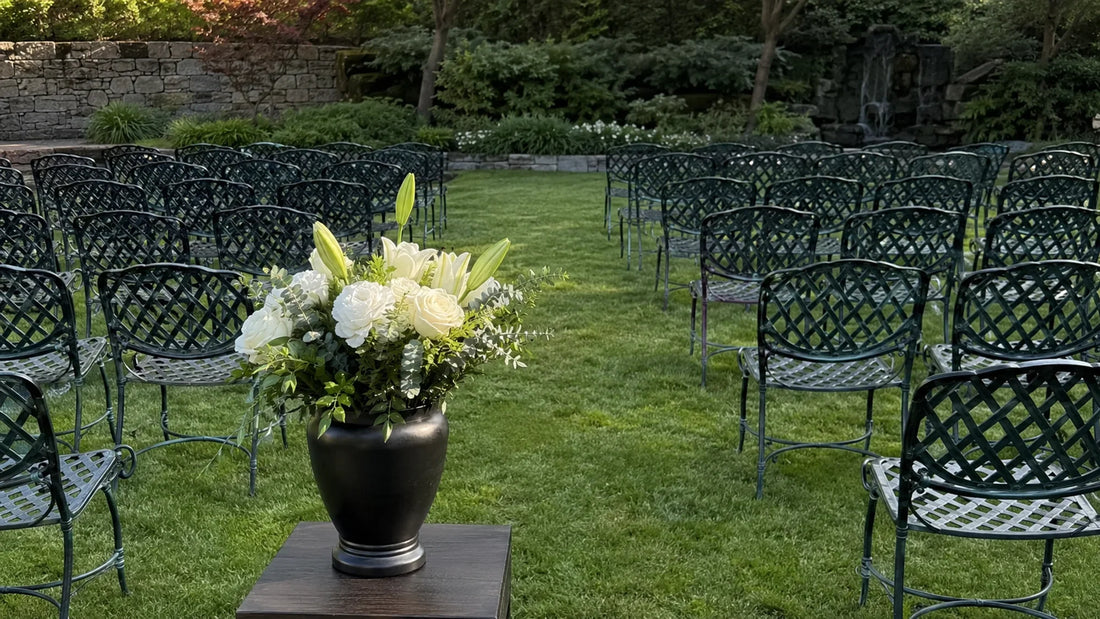
Yes, you can have a memorial service after cremation, and many families choose to do exactly that. In fact, a memorial service after cremation is one of the most common ways to honor a loved one because it gives the family more flexibility with timing, location, and the kind of experience they want to create. A service can be held shortly after the cremation, several weeks later, or even months afterward if that works better for relatives and friends.
For many families, the question is not whether a memorial service is allowed after cremation, but what it should look like. Some want something traditional and faith-based. Others prefer a simpler gathering with stories, music, and photographs. Some include the urn. Others focus on the person’s life without having the cremated remains present. There is no single right format. What matters most is creating a service that feels meaningful, respectful, and appropriate for the person being remembered.
Understanding the options can make planning feel much more manageable. Once families know that cremation does not prevent a service, they often realize they still have plenty of room to create a thoughtful farewell.
Yes, You Can Absolutely Have a Memorial Service After Cremation
The direct answer is yes. Cremation and a memorial service are not opposite choices. Cremation is the method of final disposition, while a memorial service is the ceremony held to remember and honor the person who died. That means a family can choose cremation first and still gather afterward for a formal service, a casual remembrance, or something in between.
This is a common path for families who want more time to make arrangements, who have relatives traveling from out of town, or who prefer a less rushed planning process. It is also common when a family chooses direct cremation first and then schedules a memorial service later, once they have had time to think about the kind of tribute they want.
In other words, choosing cremation does not eliminate the emotional and ceremonial parts of saying goodbye. It simply changes the timeline and may broaden the options.
What Makes a Memorial Service Different From a Funeral?
People often use the terms funeral, memorial service, and celebration of life interchangeably, but they are not always exactly the same. In general, a funeral usually takes place with the body present, either before burial or before cremation. A memorial service usually happens after the burial or cremation has already taken place, which means the body is not present. A celebration of life is often less formal and more personalized, though it can also be held before or after cremation.
That said, many families blend these traditions. A memorial service after cremation may look very much like a traditional funeral service, with clergy, readings, prayers, music, and eulogies. Another family may plan something less formal in a home, community room, or outdoor setting. The name matters less than the purpose: bringing people together to remember, grieve, support one another, and honor a life.
Understanding this distinction is helpful because some families worry that cremation means they have missed the opportunity for a meaningful service. They have not. A memorial service after cremation can be every bit as structured and heartfelt as a traditional funeral.
When Can a Memorial Service Be Held After Cremation?
One of the biggest advantages of a memorial service after cremation is flexibility. Unlike arrangements that must happen immediately, a memorial can often be scheduled when it works best for the family. Some services are held within a few days of the cremation. Others are planned a few weeks later. Some families wait until a holiday weekend, a birthday, an anniversary, or a season that felt significant to the person who died.
This added time can be very helpful. It gives loved ones a chance to travel, gather photographs, write tributes, choose music, and think through the details without feeling forced into quick decisions during the first days of grief. For families with complicated schedules or relatives living in different states, that flexibility can make a major difference.
There is not one universal deadline for a memorial service after cremation. The right time is usually the time that allows the people closest to the deceased to come together in a way that feels thoughtful and realistic. If the family has religious or cultural traditions, they may want to talk with their clergy or funeral professional about timing, but in many situations there is broad freedom.
What Can Be Included in a Memorial Service After Cremation?
A memorial service after cremation can include nearly everything a family might expect from another type of funeral gathering. The service can be formal, simple, religious, secular, quiet, or highly personalized. Families often choose elements that reflect the person’s life, values, relationships, and personality.
Common parts of a memorial service include:
- Opening words, prayers, or a welcome from a clergy member, celebrant, or family speaker
- Scripture readings, poems, or personal reflections
- Music, either live or recorded
- A eulogy or several shorter remembrances
- A photo display, memory table, or slideshow
- Time for guests to share stories
- A closing blessing, moment of silence, or final tribute
Some families also add symbolic elements such as candle lighting, memory cards, a guest book, military honors when appropriate, or a reception afterward. If the loved one had strong hobbies, passions, or community ties, those details can shape the event as well. A gardener might be remembered with flowers and seed packets for guests. A musician might be honored with live performances. A veteran may be remembered with ceremonial honors and patriotic readings.
Because cremation often creates more scheduling freedom, families may feel more able to design a service that truly reflects the individual rather than settling for whatever can be arranged quickly.
Does the Urn Need to Be Present at the Service?
No. The urn does not have to be present for a memorial service after cremation. Some families choose to place the urn at the front of the room, on an altar, or on a memory table because it creates a visible focal point. Others prefer not to have the cremated remains present and instead center the service around photographs, flowers, candles, or keepsakes.
Both approaches are common. There is no rule that says the urn must be displayed, and there is no rule that says it must be hidden. The right choice depends on the family’s comfort level, religious practices, and the tone they want for the service.
For some people, having the urn present brings a sense of closeness and helps the ceremony feel more tangible. For others, it feels more comfortable to keep the focus on memories, shared stories, and the atmosphere of the gathering. Either choice can be respectful and meaningful.
Where Can a Memorial Service After Cremation Be Held?
A memorial service after cremation can take place in many settings. Some families prefer the familiarity and guidance of a funeral home chapel. Others want a church, synagogue, mosque, temple, or other place of worship. Some choose a graveside or cemetery setting if the urn will be buried or placed in a niche. Others hold the service at home, in a banquet room, at a community center, or in an outdoor location that had personal significance.
The best location often depends on the size of the gathering, the tone of the event, and whether another act of memorialization will happen the same day. For example, a family may hold an indoor memorial service followed by an urn burial at a cemetery. Another family may gather at a park or waterfront before a private scattering ceremony, assuming they have confirmed that the location is appropriate and permitted.
Choosing the location after cremation can feel easier for some families because there is more time to consider logistics, accessibility, travel, and the kind of experience they want guests to have.
Why Many Families Choose a Memorial Service After Cremation
There are practical and emotional reasons many families prefer this approach. One of the biggest is flexibility. Cremation can take place first, which may reduce immediate time pressure, and the service can then be planned more intentionally. That can be especially helpful when grief makes early decision-making difficult.
Another reason is personalization. A memorial service after cremation often allows more creativity because the family is not working around the narrow timeline that sometimes surrounds burial arrangements. They may have more time to invite the right people, create photo displays, choose meaningful music, prepare printed programs, or ask several relatives to speak.
For some families, cost is also part of the decision. A simple cremation followed by a memorial service can sometimes provide more control over expenses than a more traditional timeline, particularly if the family wants to separate the disposition from the public gathering. Even so, the emotional purpose of the service remains the same: to acknowledge the loss and support one another through it.
Perhaps most importantly, a memorial service after cremation gives people the chance to pause. The days immediately after a death can feel administrative and overwhelming. Waiting until after cremation may create enough breathing room for a more grounded, heartfelt remembrance.
Can You Combine the Memorial Service With Burial, Scattering, or Placement of the Urn?
Yes. Many families connect the memorial service with a later act of placement or release. That might mean bringing the urn to a cemetery for burial after the service, placing it in a mausoleum or columbarium niche, or holding a scattering ceremony in a permitted location. Some families do both: a larger memorial service for friends and community, followed by a smaller private gathering for the final placement of the cremated remains.
This can be a very meaningful approach because it allows the public service and the more intimate farewell to happen in separate but connected moments. For example, a family might hold a church memorial service one day and gather privately at the cemetery the next. Another family may hold a celebration of life in one city and then later travel to a meaningful place for a quieter scattering ceremony.
If scattering is part of the plan, it is wise to confirm permission and any relevant requirements in advance, especially for public land or water. A funeral home or cremation provider can often help families understand the options available to them.
How to Plan a Meaningful Memorial Service After Cremation
Planning a memorial service after cremation usually becomes easier when the process is broken into a few simple decisions. Families do not have to figure out everything at once. In most cases, they can move step by step.
- Choose the type of service. Decide whether the tone should be traditional, religious, informal, celebratory, or a blend of those styles.
- Select the location and date. Think about travel, seating, accessibility, and whether a reception or burial will happen afterward.
- Decide whether the urn will be present. If it will, consider where it should be placed and how the area will be arranged.
- Create the order of service. Choose speakers, readings, music, and any visual elements such as photo boards or slideshows.
- Plan personal touches. Include details that reflect the loved one’s character, faith, hobbies, career, or relationships.
- Communicate clearly with guests. Invitations or notices should include the date, time, location, dress expectations if relevant, and whether there will be a reception or additional ceremony afterward.
Families do not need to handle all of this alone. Funeral homes, clergy, celebrants, and venue coordinators can help with structure and logistics, while relatives and close friends can often help collect photos, write remembrances, or coordinate food and hospitality.
What If the Family Wants Something Simple?
A memorial service after cremation does not have to be elaborate to be meaningful. Some of the most moving gatherings are also the simplest. A small group in a living room, a prayer service in a chapel, or a brief outdoor remembrance with a few readings can carry just as much meaning as a large formal event.
What makes the service important is not its scale but its sincerity. Families sometimes worry that they are not doing enough if they skip a large program. In reality, a quiet and thoughtful gathering may be exactly right for the person being remembered. The best memorial services are not the ones with the most moving parts. They are the ones that feel honest and fitting.
If a family wants a simple format, they might include a welcome, one or two readings, a short eulogy, a favorite song, and time for conversation afterward. That alone can provide comfort, connection, and a meaningful sense of closure.
Final Thoughts on Having a Memorial Service After Cremation
So, can you have a memorial service after cremation? Yes, absolutely. In many cases, it is one of the most flexible and meaningful ways to honor a loved one. A memorial service after cremation can be formal or simple, religious or secular, public or private. It can happen days later or months later. It can include the urn or not. It can stand on its own or be combined with burial, scattering, or placement in a niche.
The most important thing is that the service gives family and friends a chance to come together, remember the person who died, and support one another. Cremation does not take that opportunity away. If anything, it often creates more room to plan a tribute that truly reflects the life being remembered.
For families considering this option, the question is not whether it can be done. It can. The better question is how to shape the service in a way that feels most comforting, respectful, and meaningful for the people who will gather to say goodbye.
Share
Continue reading


