
Can You Have a Viewing Before Cremation? What Families Should Know
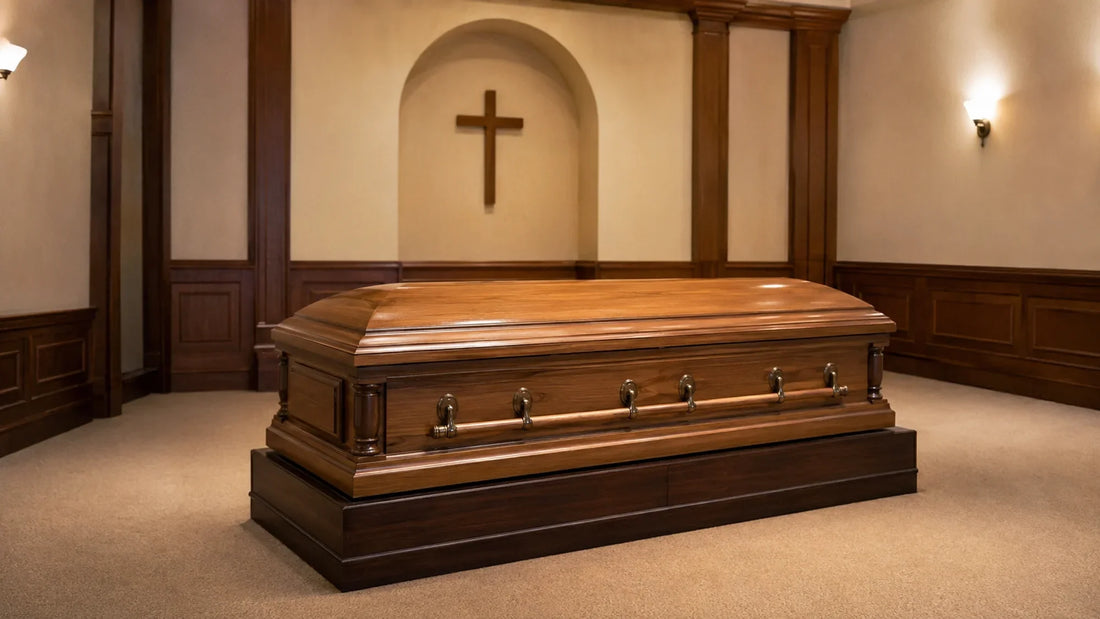
Yes, you can have a viewing before cremation. Many families do. Choosing cremation does not mean you have to give up the chance to gather, see your loved one, and say goodbye with the body present.
This is a common point of confusion because people often associate viewing and visitation with burial, while they picture cremation as a simpler option with no formal service beforehand. In reality, cremation is a disposition choice, not a limit on how you honor someone’s life. A family can arrange a viewing, a visitation, a funeral service, or all three before the cremation takes place.
For some families, that combination offers the best of both worlds. They want the flexibility of cremation, but they also want the comfort of a familiar gathering, an opportunity for relatives and friends to pay respects, and time to say goodbye in person.
If you are considering this option, it helps to understand how it works, whether embalming may be needed, what affects the cost, and what questions to ask the funeral home. Here is what families should know.
Yes, a Viewing Before Cremation Is Possible
A viewing before cremation is not unusual. Funeral homes regularly help families arrange visitation and viewing followed by cremation instead of burial. In many cases, the service looks much like a traditional funeral. The body is present, family and friends gather, and the cremation happens afterward.
The main difference is what happens at the end of the service. With burial, the body is taken to the cemetery. With cremation, the body is taken into the funeral home’s care for the cremation process after all required authorizations and paperwork are complete.
This means families do not have to choose between “a real service” and cremation. They can still plan a meaningful event with readings, music, flowers, clergy, military honors, or personal tributes. Cremation simply changes the final disposition.
What a Viewing Before Cremation Usually Looks Like
A viewing before cremation can be as simple or as formal as the family wants. Some families choose a brief private time for immediate relatives only. Others schedule a public visitation with set hours, followed by a funeral or prayer service. Still others have an open casket viewing one evening and a formal ceremony the next day before cremation.
The exact arrangement depends on personal preference, religious tradition, budget, and timing. In general, the body is prepared by the funeral home, placed in a suitable container or casket, and presented in a visitation room, chapel, or other service space. Guests may greet the family, offer condolences, spend quiet time near the casket, and take part in a ceremony if one is planned.
Some people use the word viewing, while others say visitation or wake. The wording varies by region, culture, and religion, but the basic idea is similar: loved ones gather before cremation to honor the person who died.
Why Families Choose a Viewing Before Cremation
There are many reasons a family may want a viewing before cremation. For some, it provides a sense of reality and helps the loss feel more tangible. Seeing a loved one can make it easier to begin processing the death, especially when it happened suddenly or far sooner than expected.
For others, a viewing is about community. Friends, neighbors, coworkers, and extended relatives may all want a chance to pay respects. A viewing creates space for shared memories, quiet support, and the comfort that comes from being together.
Some families also choose this option because it aligns with their faith or family tradition. They may want an open casket, certain prayers, a vigil, or a formal farewell before the cremation occurs. Others simply feel that cremation fits their long-term plans, but they do not want to lose the personal experience of seeing the person and saying goodbye beforehand.
In practical terms, a viewing before cremation can also help families who want both flexibility and ceremony. They can hold the gathering first, proceed with cremation, and then decide later whether to keep the urn at home, place it in a cemetery, scatter the remains, or hold a memorial afterward.
Open Casket or Closed Casket Before Cremation
A viewing before cremation may be either open casket or closed casket. Both are possible, and the right choice depends on the condition of the body, the family’s wishes, and the funeral director’s guidance.
An open casket viewing is often chosen when families want a more personal farewell. It allows guests to see the deceased and can feel especially meaningful for close relatives. A closed casket viewing may be preferred when the family wants privacy, when the person’s condition makes open-casket presentation difficult, or when a simpler arrangement feels more appropriate.
It is important to remember that cremation itself does not prevent an open casket viewing. If the body can be prepared for viewing and the family wants that option, it is often possible. The funeral home can explain what is realistic and respectful in the specific circumstances.
Is Embalming Required for a Viewing Before Cremation?
Embalming is not automatically required just because a family chooses cremation. However, it is often part of the plan when there will be a public viewing with the body present. Embalming helps with preservation and presentation, especially if there will be a delay between death and the viewing or if the family wants an open casket.
That said, the answer is not the same in every case. Some funeral homes may strongly recommend embalming for a public viewing. In some situations, it may be required by policy or by the practical needs of the service. In other cases, especially for a brief private identification or a closed casket gathering held quickly, the funeral home may discuss other options.
The best approach is to ask directly what is needed for the type of viewing you want. If the family is hoping to avoid embalming, the funeral director can explain whether that is realistic and what alternatives may be available. The key point is that cremation and embalming are separate decisions, even though they are often connected when a viewing is planned first.
Do You Need a Casket for a Viewing Before Cremation?
Not always in the way people imagine, but some form of container is needed. For a viewing before cremation, families usually choose either a cremation-friendly casket or a ceremonial rental casket with an insert or inner container. The funeral home can explain which options it offers.
This is another place where people sometimes assume cremation means the service must be bare or minimal. That is not the case. A family can still have a dignified presentation with a casket for the viewing even if they do not want to purchase a burial casket. Rental caskets are one way to have the appearance of a traditional service while keeping costs lower than a full casket purchase.
After the viewing, the body is either cremated in the appropriate casket or transferred to the cremation container used for the process. The details vary by funeral home, but families do have options.
How the Process Works From Viewing to Cremation
Although every funeral home has its own procedures, the overall process is usually straightforward. First, the deceased is brought into the funeral home’s care. The family meets with the funeral director to choose cremation, decide whether to have a viewing, select the type of service, and complete the required forms.
Next comes preparation. If the family wants a viewing, the body is prepared according to the chosen arrangement. This may include washing, dressing, cosmetology, hair styling, and embalming if needed for the service plan. The person is then placed in the chosen casket or container and brought to the viewing area.
After the viewing or funeral service, the body remains in the funeral home’s care until the cremation is carried out. Once all authorizations are in place and the timing is set, the cremation takes place. Afterward, the cremated remains are processed and returned to the family in the selected urn or temporary container.
For many families, understanding this sequence makes the decision feel much less uncertain. A viewing before cremation is not an unusual exception. It is simply one of several standard ways to plan a funeral.
How a Viewing Before Cremation Differs From Direct Cremation
Direct cremation is the simplest cremation option. It usually means the body is cremated without a formal viewing, visitation, or funeral service beforehand. Because fewer services are involved, direct cremation is usually the lowest-cost and most streamlined path.
A viewing before cremation is different because it adds time, preparation, staffing, facilities, and often embalming. It can still be simpler than a full traditional burial, but it is more involved than direct cremation alone.
This distinction matters because families sometimes compare prices without realizing they are looking at very different arrangements. Choosing cremation does not automatically place every service into the “direct cremation” category. Once a viewing is added, the plan usually includes additional care and services that affect both timing and cost.
Does a Viewing Before Cremation Cost More?
Yes, in most cases it does. A viewing before cremation is usually more expensive than direct cremation because the funeral home is providing more services. Costs may include preparation of the body, use of facilities for the viewing or service, staff support, embalming if selected or needed, transportation, and the casket or rental casket arrangement.
Even so, many families find the added expense worthwhile because the viewing gives them an important chance to gather and say goodbye. It can also still cost less than a full burial service with cemetery expenses, depending on the choices made.
The most useful way to think about the cost is not simply “cremation versus burial,” but “which services do we want before the cremation?” A simple private goodbye will usually cost less than a public visitation and formal funeral. The funeral home should be able to explain the options clearly and provide an itemized price list.
How Long Does It Add to the Timeline?
A viewing before cremation usually extends the overall timeline because the service must happen before the cremation itself. The funeral home needs time to coordinate the schedule, prepare the body, reserve the room or chapel, and make sure all arrangements are in place.
For some families, the viewing happens quickly within a day or two. For others, it may be scheduled later to allow relatives to travel or to fit the family’s preferred date and time. That flexibility can be helpful, but it also means the cremation may occur later than it would with direct cremation.
If timing is important, it is worth asking the funeral home how soon the viewing can be arranged and when the cremation would likely take place afterward. A clear timeline helps families plan for the return of the cremated remains and any memorial events that may follow.
When a Full Viewing May Not Be the Best Fit
Although a viewing before cremation is often possible, it is not always the right choice for every family or every situation. In some cases, the condition of the body may make a public viewing difficult. In others, the family may prefer a simpler, more private farewell. Budget, timing, distance, and personal comfort all play a role.
If a traditional viewing does not feel right, there are other options. A family might choose a private identification, a closed casket gathering, a brief family-only goodbye, or a memorial service after cremation with photos and personal items on display. These alternatives can still provide a meaningful experience without the structure of a public viewing.
The goal is not to force one model of grieving. It is to choose the arrangement that best matches the family’s needs, values, and circumstances.
Questions to Ask the Funeral Home
If you are considering a viewing before cremation, a few practical questions can make the decision easier:
- Can we have a public or private viewing before the cremation?
- Would you recommend open casket or closed casket in this situation?
- Is embalming needed for the type of service we want?
- Do you offer rental caskets or cremation caskets?
- How much will the viewing add to the total cost?
- How soon can the viewing be scheduled?
- When would the cremation take place after the service?
- Are there simpler alternatives if we want a goodbye without a full public viewing?
These questions help families compare options and avoid surprises. They also make it easier to design a service that feels personal without paying for elements that do not matter to the family.
Final Thoughts
Yes, you can have a viewing before cremation, and for many families it is a meaningful choice. Cremation does not take away the option of a visitation, wake, or funeral with the body present. It simply changes what happens afterward.
A viewing before cremation can offer comfort, tradition, and an important chance to say goodbye. It can also involve additional decisions about embalming, caskets, timing, and cost. The best arrangement depends on what the family needs most: simplicity, ceremony, privacy, flexibility, or some combination of all of these.
For families who want both the opportunity to gather and the long-term flexibility of cremation, this option can be a very good fit. A funeral home can explain what is possible, what is recommended, and how to create a respectful plan that honors the person who died in the way that feels right.
Share
Continue reading


