
Can You Preplan a Cremation?
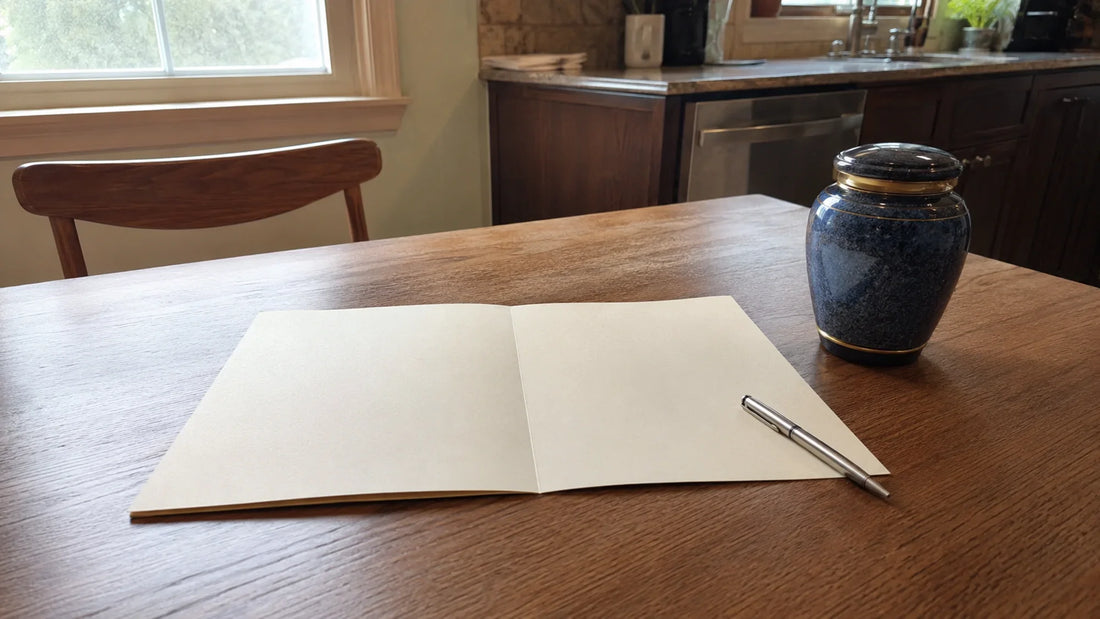
Yes, you can preplan a cremation, and for many families it is one of the most practical and thoughtful decisions they make. Preplanning gives you the chance to think through your wishes carefully, compare options without time pressure, and put important details in writing before your family is faced with making decisions in the middle of grief.
For some people, preplanning means keeping things simple. They want a direct cremation, a basic urn, and clear instructions for what should happen afterward. For others, it means making more detailed arrangements, such as whether there should be a viewing, a memorial service, a religious ceremony, an obituary, music selections, or a final resting place for the cremated remains.
Either way, cremation can absolutely be planned in advance. In fact, many of the same choices people make for a burial can also be made for cremation. The main difference is that cremation offers a wide range of timing and memorial options, so preplanning can be especially helpful when you want your family to know exactly what you would have wanted.
People often ask this question because they are trying to reduce stress for their loved ones, avoid rushed decisions, or understand whether cremation can be arranged ahead of time in the same way a traditional funeral can. The answer is yes. You can preplan the cremation itself, the type of service you want, the way your remains should be handled, and in many cases the financial side as well.
The Short Answer
You can preplan a cremation with or without paying for it in advance. Some people simply document their wishes and leave instructions for their family. Others meet with a funeral home or cremation provider, choose specific services and merchandise, and complete a formal preplanning or pre-need arrangement. Some also choose to prepay some or all of the expected costs.
That distinction matters because preplanning and prepaying are not the same thing. You can do one without the other. A well-prepared written plan may be enough for some families, while others prefer the added structure of a contract and funding arrangement. The right approach depends on your goals, your budget, and how much certainty you want to create in advance.
What Preplanning a Cremation Actually Means
Preplanning a cremation means deciding ahead of time what you want to happen after death and putting those decisions in a form your family and provider can use. It can be as informal as writing down your wishes or as formal as sitting with a funeral director and completing detailed arrangements.
At its core, cremation preplanning is about clarity. Instead of leaving your survivors to wonder what you would have wanted, you make those choices while you are calm, able to think clearly, and free from the emotional pressure that comes with an immediate loss.
A preplanned cremation can cover far more than the cremation itself. It may include your preferred provider, the type of cremation service, whether there will be a gathering before or after cremation, the container or urn you want, where the cremated remains should go, and how the family should handle things like memorial donations, readings, music, clergy, or announcements.
Some people also use the preplanning process to organize basic information their family may need later, such as military discharge papers, preferred obituary details, family contact information, and other practical items. Even when not every form can be completed ahead of time, organizing that information early can make a difficult time more manageable.
Preplanning and Prepaying Are Not the Same Thing
This is one of the most important parts of the conversation. When people ask whether they can preplan a cremation, they sometimes assume that means they must also pay for everything in advance. That is not always the case.
You can preplan a cremation without prepaying. In that situation, you are recording your wishes and possibly getting pricing information, but the actual payment is left for the time when services are needed. This approach appeals to people who want to make their preferences known without entering into a financial contract.
You can also preplan and prepay. That may involve paying for some or all of the services and merchandise ahead of time through whatever arrangement the provider offers. For some people, this creates peace of mind because it sets money aside for future expenses and reduces the chance that family members will have to come up with funds unexpectedly.
However, prepaying should never be treated as a casual decision. The details matter. A family should understand what is included, what is not included, whether prices are guaranteed, whether the agreement can be changed or canceled, what happens if the person moves, and how the funds are handled if the provider is sold or closes. These points can vary based on the contract, the provider, and the state where the arrangement is made.
That is why many people find it helpful to separate the decision into two parts. First, decide what you want. Then decide whether you want to fund those plans now or simply document them for later. There is no single right choice for everyone.
What You Can Decide in Advance
One of the biggest advantages of cremation preplanning is that it allows you to make both practical and personal choices ahead of time. Many people are surprised by how much can be decided in advance.
You may be able to plan:
- whether you want direct cremation or cremation with services
- whether there should be a viewing before cremation
- whether you want a funeral service before cremation or a memorial service afterward
- which funeral home or cremation provider you want to handle the arrangements
- whether you prefer an on-site crematory or a provider that uses a third-party crematory
- what type of urn or temporary container you prefer
- whether the cremated remains should be buried, placed in a columbarium, kept by family, or scattered where legally permitted
- whether family members should receive keepsake urns or memorial jewelry
- what kind of music, readings, prayers, or personal touches should be part of the service
- whether memorial donations should be directed to a particular cause or organization
Some people want a very simple plan. Others want to leave detailed guidance because they know their family would struggle with decisions or disagree about what should happen. Preplanning can help in either case.
It is also worth knowing that some paperwork and authorizations may still need to be completed when death occurs. Even a very complete preplanned cremation may not eliminate every task for your family, but it can substantially reduce uncertainty and make the remaining decisions much easier.
Why Many People Choose to Preplan a Cremation
There are several reasons people choose cremation preplanning, and not all of them are financial. In many cases, the biggest benefit is emotional. Preplanning can remove a major burden from the people you love.
After a death, families often have to make decisions quickly. They may be exhausted, grieving, or trying to coordinate relatives, travel, legal paperwork, and other responsibilities at the same time. When preferences have already been discussed and documented, that pressure is often much lower.
Preplanning can also help avoid conflict. It is not unusual for family members to have different ideas about what should happen. One person may want a formal service, another may want something simple, and someone else may focus primarily on cost. When the person’s wishes are already known, those disagreements often soften because the family is not trying to guess.
Another benefit is control. Preplanning gives you time to ask questions, compare options, and think clearly about what matters most to you. Some people want the least complicated option possible. Others want a meaningful ceremony with personal details. Preplanning makes room for both.
Finally, some people choose to preplan because they want a realistic understanding of costs. Even if they do not prepay, they want to know what a direct cremation might cost, what optional services would add to the total, and what their family may need to budget for later.
What to Ask Before You Sign Anything
If you decide to formally preplan a cremation with a provider, it is worth slowing down and asking direct questions. A reputable funeral home or cremation provider should be comfortable answering them clearly.
Useful questions include:
- What exactly is included in this plan?
- What is not included?
- Are the prices guaranteed, or could additional costs apply later?
- Can the plan be changed if my wishes change?
- Can the agreement be canceled, and if so, on what terms?
- What happens if I move to another city or state?
- What happens if the funeral home changes ownership or closes?
- Will my family still have paperwork to complete at the time of death?
- Is the cremation performed on-site or by a separate crematory?
- How do you identify and track a person throughout the cremation process?
These questions are not a sign of mistrust. They are part of making an informed decision. A good provider should welcome them, explain the process in plain language, and give you written documentation that reflects what was discussed.
It is also wise to read every agreement carefully before signing. If anything feels unclear, ask for clarification in writing. This is especially important when prepayment is involved, because the contract terms can affect refunds, changes, portability, and final out-of-pocket costs.
How to Make Sure Your Wishes Are Actually Followed
A preplanned cremation only helps if the right people know it exists. One of the most common mistakes is completing a plan and then storing it so securely that no one can find it when it is needed.
Once you have documented your wishes, make sure key people know where that information is kept. That usually means giving copies to a trusted family member, the person most likely to handle arrangements, and possibly your attorney or executor. If you have a formal pre-need contract, let your family know which funeral home or cremation provider holds it.
It is also smart to avoid relying on your will as the only source of instructions. In many cases, funeral arrangements are made before a will is located or formally reviewed. For the same reason, keeping the only copy in a place that may be difficult to access quickly is not ideal.
The goal is simple: when the time comes, your family should not be searching for your wishes. They should already know where to find them and who to call.
When to Review or Update a Preplanned Cremation
Preplanning is not always a one-time task. Life changes, and your cremation plan may need to change with it.
You may want to review your plan after a move, a marriage or divorce, the death of a spouse, a major health change, a change in religious views, or a change in how you want your remains handled. Even if nothing major has changed, reviewing the plan every few years can help make sure the details still reflect your wishes.
This is especially important if you have a prepaid arrangement. You will want to understand whether the contract still matches your goals and whether any updates need to be made with the provider.
Final Thoughts
So, can you preplan a cremation? Yes, and for many people it is a very sensible thing to do. You can keep it simple or make it detailed. You can preplan without prepaying, or you can choose a more formal funded arrangement if that fits your situation. The most important part is that your wishes are clear, written down, and shared with the people who will need them.
Cremation preplanning is not only about logistics. It is also an act of care. It can spare your family uncertainty, reduce pressure during an emotional time, and give everyone a clearer path forward when decisions need to be made.
If you are considering preplanning, start with a straightforward conversation. Ask questions, compare options, read the paperwork carefully, and think about what will matter most to the people you leave behind. A well-made plan does not remove grief, but it can remove confusion, and that can be a meaningful gift.
Share
Continue reading


