
Do You Get All of the Ashes Back After Cremation? What Families Should Know
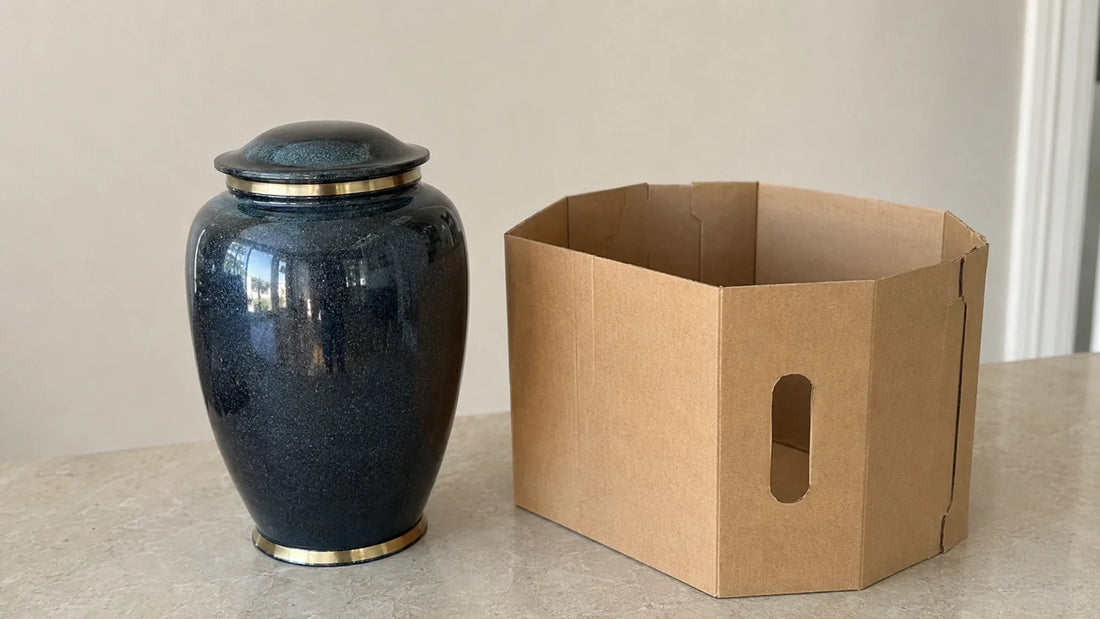
Families often ask this question because it gets to the heart of trust, care, and closure: do you get all of the ashes back after cremation? The most honest answer is that families usually receive virtually all of the recoverable cremated remains, but not literally every microscopic particle. That distinction matters, and understanding it can make the process feel much clearer.
In everyday conversation, people use the word "ashes," but what is returned after cremation is not the same as fireplace ash. After a cremation is completed, what remains are primarily bone fragments that have been carefully collected, processed into a finer consistency, and placed in a temporary container or urn. Most families receive all of the cremated remains that can reasonably and respectfully be recovered.
Below is a clear explanation of what that means, why the amount can vary, and how reputable crematories work to return the correct remains to the family.
Do you really get all of the ashes back after cremation?
In practical terms, yes. In a standard individual cremation, the family receives nearly all of the cremated remains that are recoverable after the process is complete. A reputable crematory does not keep part of the remains or intentionally return only a portion unless the family has specifically asked for the remains to be divided among multiple urns, keepsakes, or jewelry.
However, no crematory can return 100 percent of every particle from the body. That is because cremation is a process of intense heat that reduces the body's soft tissue and moisture, leaving behind bone fragments and certain non-combustible materials. In addition, tiny trace particles can remain in the cremation chamber or processing equipment even after careful collection. So when professionals say families receive all of the remains, they usually mean all recoverable cremated remains.
That distinction is not meant to be evasive. It is simply the most accurate way to describe what cremation can and cannot produce.
What are "ashes" after cremation, really?
One of the biggest misconceptions about cremation is that the urn contains soft, powdery ash from the entire body. In reality, the body is made up largely of water and soft tissue, and those elements do not remain in a form that can be returned to the family. What is left after cremation is mostly the mineral content of the bones.
After the cremation is complete and the remains have cooled, staff collect the remaining bone fragments. Those fragments are then placed in a processing machine that reduces them into the texture families usually recognize as cremation ashes. The final texture is often similar to coarse sand or fine gravel, not smoke residue or soot.
This is why many families are surprised by both the look and the weight of cremated remains. They are not receiving "burned ash" in the everyday sense. They are receiving the processed remains that are left after the cremation process is finished.
Why you do not receive 100 percent of everything after cremation
There are several reasons an urn does not contain every physical element that was present before cremation.
First, much of the body does not become returnable remains. Moisture evaporates, and soft tissues are reduced during the cremation process. The material that remains for return is primarily bone.
Second, certain items are removed because they are not appropriate or safe to place in the urn. For example, pacemakers and some battery-powered medical devices are typically removed before cremation for safety. After cremation, metal items such as surgical screws, joint replacements, or dental metals may be separated from the remains during processing.
Third, there is always a very small amount of unavoidable loss during handling. Even with respectful collection procedures, tiny particles may remain in the chamber, on the tools used for collection, or in the processing equipment. That does not mean the crematory was careless or that part of your loved one was intentionally withheld. It simply reflects the physical reality of the process.
For that reason, the most accurate expectation is this: families typically receive all of the recoverable cremated remains, not literally every microscopic trace.
How crematories collect and prepare the remains
Understanding the steps after cremation can help answer a lot of concerns.
Once the cremation is complete, the chamber is allowed to cool. Staff then carefully sweep and collect the remaining bone fragments from the cremation chamber. Any non-combustible metal items that remain are separated out. The bone fragments are then processed into the more uniform consistency usually associated with cremated remains.
After processing, the remains are placed into a bag or inner container and then into a temporary container or the urn selected by the family. If the family has chosen multiple keepsake urns, cremation jewelry, or separate containers for siblings or relatives, the remains may be divided according to those instructions.
The important point is that crematories do not simply "scoop some ashes into an urn." There is a defined collection and processing procedure designed to return the remains in a respectful, consistent way.
How reputable crematories make sure you get the right ashes back
For many families, the deeper concern behind this question is not just quantity. It is identity. They want to know that the ashes returned to them are truly their loved one's remains.
Reputable crematories use a chain-of-custody process to track identification throughout cremation. Procedures vary by provider, but they often include documentation, labeling, and an identification tag or disc that stays with the individual throughout the process. The cremation is typically performed one person at a time in the chamber, and the equipment is cleaned between cremations.
That is why asking a funeral home or crematory about their identification procedures is completely reasonable. A professional provider should be able to explain, in plain language, how they track the person in their care from arrival through return of the cremated remains.
If you want extra peace of mind, it is appropriate to ask questions such as:
- How do you identify the person throughout the cremation process?
- Do you return all recoverable cremated remains?
- How is the cremation chamber cleaned between cremations?
- Will the remains be placed in the urn I selected or in a temporary container?
- Can the remains be divided into multiple containers if our family wants that?
How much cremated remains do families usually get back?
The amount returned after cremation varies, but for an adult it is usually several pounds of cremated remains. The exact amount depends more on bone structure and skeletal size than on body fat. A taller person or someone with denser bones will often leave more remains than a smaller-framed person.
Age can also make a difference. Children, infants, and people with less developed or lighter bone structure will naturally have less cremated remains returned. This is one reason families should avoid comparing one person's urn to another person's and assuming something is wrong.
The amount can also look different than people expect because of container size. A decorative urn may appear roomy, which can make the remains seem like less than expected even when the full recoverable amount has been returned. In other cases, the cremated remains may feel heavier than families imagined because processed bone fragments are denser than many people assume.
What can affect the amount of ashes returned?
Several factors can influence how much cremated remains a family receives:
- Bone size and density: Larger skeletal structure usually means more cremated remains.
- Age: Younger individuals may leave a smaller amount of remains.
- Medical devices or implants: Certain items are removed before or after cremation and are not included in the urn.
- Family instructions: Some families ask that the remains be divided among keepsake urns, jewelry, or scattering tubes.
- Processing and container choice: The way the remains are processed and packaged can affect how full the urn appears, even when the amount returned is normal.
What usually does not matter in the way families expect is body fat or soft tissue. Those elements do not become the cremated remains placed in the urn. This is why a person's total body weight does not translate directly into the amount of ashes returned.
Can ashes be split into multiple urns or keepsakes?
Yes. If a family wants to share the remains, they can usually be divided into multiple urns, keepsake containers, or cremation jewelry. This is a common choice when several family members want a portion of the remains, or when part of the remains will be buried, part scattered, and part kept at home.
When that happens, the crematory or funeral home is not withholding anything. They are simply following the family's instructions for distribution. If you know ahead of time that you want more than one container, it helps to say so early so the funeral home can recommend the right sizes and make sure everything is prepared correctly.
It is also reasonable to ask about urn capacity. If an urn is too small for the full amount of cremated remains, the funeral home should tell you and discuss alternatives rather than leaving you with an unexpected problem later.
What if the ashes seem like less than expected?
If the urn looks lighter or less full than you expected, that does not necessarily mean anything is wrong. Families often picture cremation ashes as a large volume of soft ash, but the actual remains are processed bone fragments, which settle differently and can look smaller in a large container.
A good first step is to ask the funeral home or crematory to explain the container size, the approximate amount returned, and whether the remains were placed in an inner bag or temporary insert inside the urn. Sometimes the visual impression comes from packaging rather than from the amount itself.
If you still have questions, a professional provider should be willing to talk you through the process without becoming defensive. This is an important question, and families deserve a clear answer.
Questions to ask before choosing cremation
If you are planning cremation and want to feel more confident about what happens afterward, it helps to ask practical questions in advance. You do not need to be an expert. You only need a provider who will answer you clearly.
- Will my loved one be cremated individually?
- What identification system do you use from start to finish?
- Do you return all recoverable cremated remains?
- How are implants or metal items handled?
- How much cremated remains should we generally expect?
- What urn size do you recommend?
- Can the remains be divided if our family wants multiple keepsakes?
These questions are not unusual. In fact, a trustworthy funeral home or crematory should welcome them.
Final thoughts
So, do you get all of the ashes back after cremation? In most cases, families receive nearly all of the recoverable cremated remains from an individual cremation. What you receive is not every physical element of the body and not every microscopic particle, but it is generally all of the remains that can be respectfully collected, processed, and returned.
For many people, that answer is reassuring because it replaces a vague fear with a clear understanding. The key is to work with a funeral home or crematory that uses strong identification procedures, explains the process openly, and treats your loved one with care at every step.
When families understand what cremation ashes actually are and how they are returned, the process feels less mysterious and more manageable. And during a difficult time, that clarity matters.
Share
Continue reading


