
Do You Need a Casket for Cremation? A Clear Guide for Families
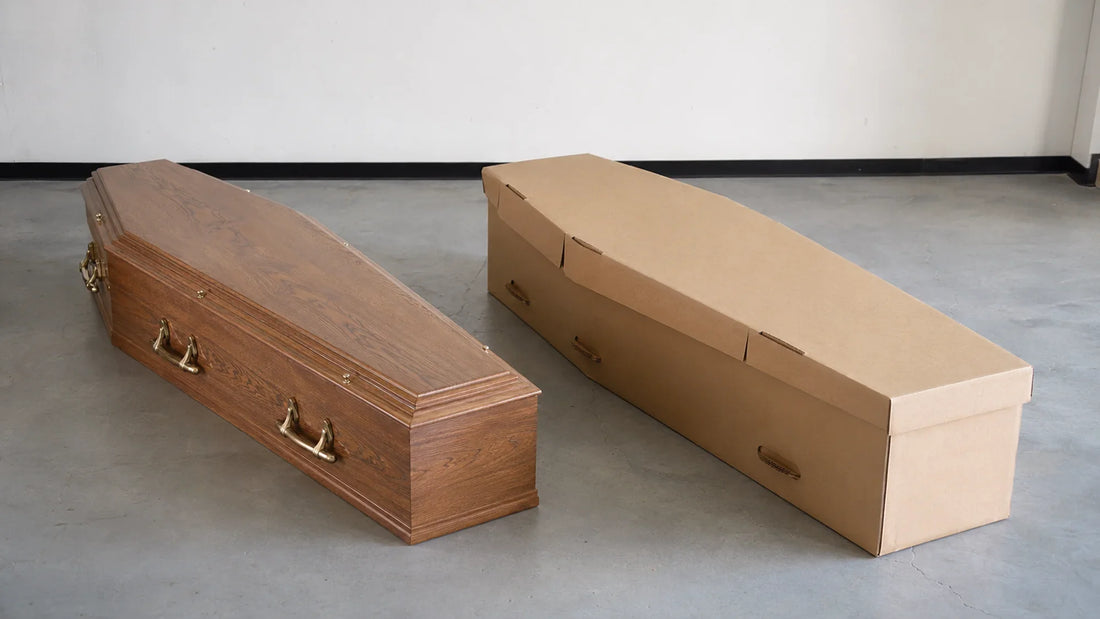
No, a traditional burial casket is not usually required for cremation. In most cases, the body must be placed in an approved combustible container, but that container may be a simple alternative container rather than a full casket. Families sometimes choose a cremation casket or a rental casket if they want a viewing or funeral before the cremation, but a standard burial casket is generally not mandatory.
This is an important point because many families assume that cremation still requires all of the same purchases associated with burial. That is not always the case. Cremation often gives families more flexibility in how they plan services, how much they spend, and what kind of container feels appropriate. Understanding the difference between a burial casket, a cremation casket, and an alternative container can make the decision much easier during a difficult time.
If you are trying to make practical arrangements, the simplest answer is this: cremation usually requires a safe, dignified, combustible container, but not necessarily a traditional casket. From there, the right choice depends on whether you want a service with the body present, what your funeral home or crematory allows, and what fits your family’s wishes and budget.
A Traditional Burial Casket Is Usually Not Required for Cremation
When people ask whether a casket is required for cremation, they are often thinking of the kind of casket commonly used for burial. Those caskets are usually more decorative, more substantial, and often made for long-term interment. For cremation, that type of casket is usually optional rather than required.
What most crematories require is that the body be placed in a container suitable for handling and for the cremation chamber. That means the container must usually be made of combustible materials and built in a way that allows staff to move the body with dignity and safety. In many cases, a simple alternative container meets that need.
This is why families who choose cremation are often able to avoid the cost of a traditional casket. Unless there is a reason to have a more formal container for a service, a basic cremation container is often enough.
What Is Used Instead of a Traditional Casket?
Instead of a burial casket, many funeral homes offer what is often called an alternative container. This is a simple container designed for cremation. It may be made from cardboard, fiberboard, softwood, or other combustible materials approved by the crematory. The exact materials and appearance vary, but the purpose is generally the same: to provide a dignified and practical container for the cremation process.
These containers are typically plain, but plain does not mean careless. They are a standard part of cremation arrangements and are widely used, especially when there will not be a public viewing beforehand. For families choosing direct cremation, an alternative container is often the most common option.
Some crematories have specific requirements for the container’s size, construction, or strength. For example, they may require that it be rigid enough for safe handling and fully combustible. Because policies differ, it is always wise to ask the funeral home or crematory what is included and what is accepted.
What Is the Difference Between a Burial Casket, a Cremation Casket, and an Alternative Container?
These terms can sound similar, but they are not exactly the same. A burial casket is usually designed for a funeral followed by burial. It is often more ornate and may be made with materials or features that are intended for presentation and interment.
A cremation casket is more formal than a basic alternative container, but it is still intended to be appropriate for cremation. Families sometimes choose this option when they want the appearance of a traditional casket for a visitation or funeral before the cremation takes place.
An alternative container is the simplest of the three. It is usually chosen when there is no public viewing and the family wants a straightforward cremation arrangement. It serves the practical purpose required for cremation without the added cost of a ceremonial casket.
Knowing these differences helps families understand that they are not limited to one option. There is usually a range of choices based on the type of service they want.
When Families May Still Choose a Casket for Cremation
Even though a traditional casket is not usually required, some families still choose one for very personal reasons. The most common reason is that they want a visitation, viewing, or funeral service before cremation. In those cases, the body may be present, and a more finished container may feel more suitable for the setting.
Other families choose a casket because it feels familiar. They may be more comfortable with a traditional service format, or they may come from a cultural or religious background where a casketed viewing is meaningful. Choosing cremation does not prevent that. A family can still hold a traditional service and proceed with cremation afterward.
There are also families who simply want a more refined presentation, even for a private goodbye. This is a matter of preference, not a universal rule. Cremation arrangements can be simple or formal, and the container can reflect that choice.
What If There Will Be a Viewing or Funeral Before Cremation?
If there will be a public viewing or a funeral with the body present, a simple alternative container may not be the option the family wants, even if it is technically sufficient for cremation. In that situation, funeral homes often offer two common solutions: a cremation casket or a rental casket.
A cremation casket is purchased for the service and then used for the cremation. A rental casket, by contrast, is used for the viewing or funeral while the body rests in an inner container that is removed afterward and taken to the crematory. This allows families to have the appearance of a traditional casket for the ceremony without purchasing a full burial casket.
For many families, this is a useful middle ground. It preserves the look and dignity of a formal service while still keeping the cremation arrangement more manageable. If this option is important to you, ask the funeral home whether rental caskets are available and what is included.
Direct Cremation Usually Does Not Require a Traditional Casket
Direct cremation generally means the body is cremated without a viewing or funeral service beforehand. Because there is no public ceremony with the body present, families who choose direct cremation usually do not need a traditional casket. A basic alternative container is often all that is required.
This is one reason direct cremation is often more affordable. It removes the cost of a ceremonial casket and usually reduces some of the other expenses associated with a full service before cremation. For families who want a simple process and plan to hold a memorial service later, direct cremation can be a practical choice.
It is also worth remembering that choosing direct cremation does not mean giving up the opportunity for remembrance. Families can still gather afterward for a memorial service, celebration of life, religious service, or private family tribute. The decision about the container does not determine whether the person will be honored in a meaningful way.
Does a Simple Container Mean Less Respect?
No. This is a concern many families quietly carry, especially if they are choosing a lower-cost arrangement. A simple cremation container is not a sign of lesser care or lesser love. Respect is shown in how the person is handled, how clearly the process is explained, and how thoughtfully the family’s wishes are honored.
Funeral professionals and crematory staff regularly work with a wide range of arrangements. Some families want the simplest possible direct cremation. Others want a full visitation and formal service before cremation. Both choices can be handled with dignity. The style of the container does not determine the level of respect.
For some families, simplicity is actually the most fitting choice. They may prefer to keep expenses modest, avoid unnecessary purchases, or focus their resources on a memorial service, an urn, cemetery placement, or support for surviving family members. A simpler choice can still be a deeply thoughtful one.
Can Any Casket Be Used for Cremation?
Not necessarily. Families should not assume that any casket can be cremated. Some caskets are made with materials, hardware, or construction features that are not accepted by every crematory. Metal caskets, for example, are typically associated with burial rather than standard cremation.
Even some wood caskets may have details that the provider needs to evaluate. This is one reason it is important to choose the container through the funeral home or to confirm in advance that a selected container meets the crematory’s standards. The provider can explain what is permitted and what is not.
As a practical matter, most families avoid this issue by selecting from the options the funeral home already offers for cremation. That reduces uncertainty and helps ensure the container is suitable for the process.
How Cost Affects the Decision
Cost is one of the main reasons families ask this question. Traditional caskets can represent a significant expense, and many people are relieved to learn that cremation does not automatically require one. If there will be no viewing and no need for a formal presentation, a simple alternative container can reduce the overall cost of the arrangement.
That does not mean the least expensive option is always the right one. Some families find value in choosing a cremation casket or rental casket because it supports the type of goodbye they want. Others prefer to keep the arrangement simple and direct their budget toward an urn, a reception, travel for relatives, or a later memorial event.
The most useful approach is to think about the goals of the arrangement. If your priority is a formal service with the body present, a casket or rental casket may make sense. If your priority is simplicity and affordability, a basic alternative container may be the better fit. Understanding that both paths are valid helps families make a decision without feeling pressured.
Questions to Ask the Funeral Home or Crematory
Because provider policies and local requirements can vary, it helps to ask a few clear questions before making a final decision. Those questions may include:
- Is a basic alternative container included in the cremation package?
- What types of containers does the crematory accept?
- If we want a viewing, what cremation casket or rental casket options do you offer?
- What are the cost differences between these options?
- Are there any restrictions on materials or construction?
- If we choose direct cremation now, can we still plan a memorial service later?
These questions are simple, but they can prevent confusion. A clear conversation with the funeral home often makes the process much less stressful and helps families feel confident that they are choosing what is actually needed rather than what they assume is required.
How to Decide What Is Right for Your Family
If you are unsure which option fits best, start by considering whether there will be a service with the body present. If the answer is no, then a basic alternative container is often all that is needed. If the answer is yes, then you may want to look at cremation caskets or rental caskets that give the service a more traditional appearance.
It also helps to think about values, not just logistics. Some families want the simplest possible arrangement. Some want a familiar traditional ceremony. Some want a balance between the two. There is no single correct choice. The right choice is the one that fits your family’s wishes, financial situation, and sense of what feels meaningful.
When in doubt, ask the funeral professional to walk you through the options in plain language. The process becomes much easier once you understand that cremation does not force you into one rigid path.
Final Thoughts
So, do you need a casket for cremation? Usually not. In most cases, a traditional burial casket is not required. What is typically required is an approved combustible container, which may be a simple alternative container, a cremation casket, or another option accepted by the provider. If you want a viewing or funeral before cremation, you may still choose a casket or rental casket for that purpose, but it is not automatically necessary in every cremation arrangement.
For many families, this flexibility is one of the practical benefits of cremation. It allows them to choose a plan that matches their needs, values, and budget without giving up dignity or meaningful ceremony. If you are making arrangements now, a trusted funeral home or cremation provider can explain the available container options and help you decide what best fits your family.
Share
Continue reading


