
Is Cremation Cheaper Than Burial? A Practical Cost Guide for Families
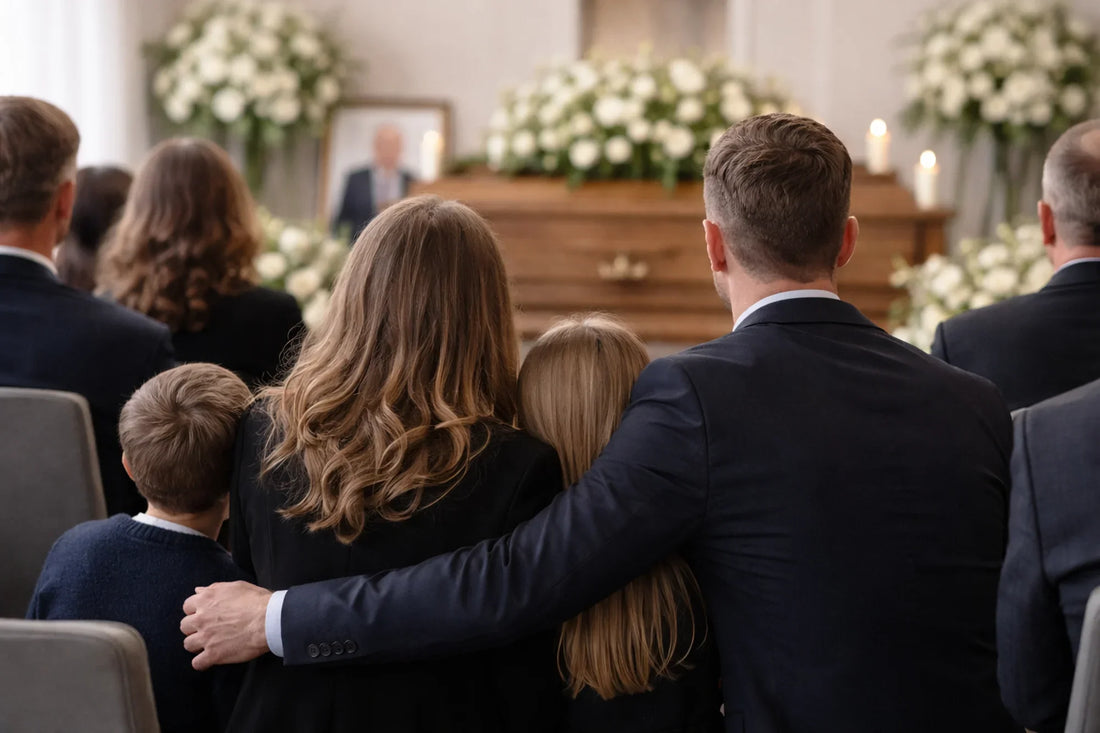
Is cremation cheaper than burial? In most cases, yes. A simple cremation is usually less expensive than a traditional burial because it often avoids some of the largest funeral and cemetery costs. There is usually no need for a burial plot, vault, full-size casket, or grave marker, and families may also choose a simpler level of service.
That said, the answer is not always as simple as “cremation costs less.” The final price depends on the kind of cremation or burial a family chooses. A direct cremation with no public service is often one of the most affordable options available. But a cremation that includes a viewing, a formal funeral, a premium urn, and placement in a cemetery can cost more than people expect. On the other side, a very simple burial, especially when a family already owns a plot, may cost less than a more elaborate cremation plan.
For most families, the real question is not only whether cremation is cheaper than burial, but which version of each option they are comparing. Once you compare similar levels of service, the cost difference becomes easier to understand.
The Short Answer
If you are comparing direct cremation to a traditional funeral with burial, cremation is usually cheaper. Direct cremation is generally simpler and involves fewer goods and services. There may be fewer preparation costs, fewer staff and facility expenses, and fewer cemetery charges.
If you are comparing a full-service cremation to a simple burial, the gap may be smaller. In some cases, depending on local pricing and family choices, the two can come closer than people expect. That is why broad statements about cost can be misleading unless you know exactly what is included.
Still, in ordinary day-to-day funeral planning, families often find that cremation offers more flexibility and a lower starting cost. That lower starting point is the main reason cremation is often chosen by people who want a simpler arrangement or who are working within a strict budget.
Why Cremation Is Often Less Expensive
Cremation is often less expensive because it can remove several major expenses that are common in a burial. Those costs do not disappear in every case, but they are often reduced or avoided altogether.
- No full-size burial plot may be needed. If the cremated remains will be kept, scattered where permitted, or placed in a small niche, the family may avoid the cost of a full grave space.
- A vault or grave liner may not be required. Many traditional burials include cemetery requirements that add to the total cost.
- The container can be simpler. Burial often involves a casket, while cremation may use a basic cremation container or a rental casket only if there is a viewing beforehand.
- Preparation can be more limited. A direct cremation often does not require the same level of body preparation as a burial with a public visitation.
- Services can be separated. Families can choose cremation first and hold a memorial later, which allows more control over timing, location, and spending.
The key point is that cremation often allows families to purchase only the services they truly want. Burial can also be arranged simply, but traditional burial usually comes with more fixed expenses from the start.
What Makes Burial Cost More in Many Cases
Traditional burial often includes several categories of expense, and each one affects the total. Even when a family chooses modest options, those categories can add up quickly.
First, there is the funeral home portion. This may include transportation into care, staff services, arrangement conferences, paperwork, use of facilities, a viewing or visitation, a funeral ceremony, and a hearse or service vehicle. Some of those same charges may exist with cremation too, but they are often reduced in a direct cremation plan.
Second, there is the merchandise. A traditional burial commonly involves a casket, and caskets range widely in price. Families may also choose printed materials, memorial items, flowers, and clothing or personal items for the service.
Third, there are cemetery charges. These can include the grave space, opening and closing the grave, an outer burial container if required, and a marker or monument. These expenses are often the reason burial ends up costing significantly more than a simple cremation.
None of this means burial is unreasonable or excessive. For many families, burial is the right choice for religious, cultural, or personal reasons. It simply tends to involve more line items, and each line item contributes to a higher overall cost.
Cremation Costs Can Add Up Too
One common misunderstanding is that cremation is always inexpensive. It often starts lower, but the total can rise depending on the choices a family makes.
For example, a family may choose a viewing before cremation, which can add preparation, facility, staffing, and scheduling costs. A funeral service before cremation can make the arrangement feel very similar to a traditional funeral in many respects, except that cremation takes place afterward instead of burial.
There may also be costs for an urn, keepsake jewelry, a witness cremation, additional death certificates, obituary placement, flowers, memorial printing, or a reception. If the cremated remains are placed in a cemetery plot, columbarium niche, or family mausoleum, cemetery charges come back into the picture as well.
That is why it is more accurate to say that simple cremation is usually cheaper than burial. Cremation itself does not guarantee a low total bill. The final amount depends on how many services and products are added around it.
Direct Cremation vs. Full-Service Cremation
When people ask whether cremation is cheaper than burial, they are often really asking about direct cremation. Direct cremation is the simplest cremation option. It typically takes place without a public viewing or funeral beforehand, and the family receives the cremated remains afterward.
Because direct cremation leaves out many event-related costs, it is often one of the least expensive funeral choices. Families can still hold a memorial service later at a church, home, park, restaurant, or other meaningful place. That flexibility is a major reason direct cremation appeals to many households.
Full-service cremation is different. It may include a visitation, funeral ceremony, rental casket, professional preparation, vehicles, and staff support before cremation occurs. In those cases, the total can be much higher than direct cremation. It may still be less than traditional burial, but the savings may be smaller than families assume.
So if cost is the main concern, it is important to ask which form of cremation is being quoted. “Cremation” can describe a very simple arrangement or a much more involved one.
When Burial Can Be Closer in Price
Although cremation is usually cheaper, there are situations where burial can be closer in price than expected. One example is when a family already owns a cemetery plot. If that major cost has already been handled, the burial total may be lower than it would otherwise be.
Another example is immediate burial. This is a simpler burial option without a public viewing or large ceremony beforehand. In some markets, immediate burial can narrow the price gap between burial and cremation, especially if the family chooses a modest casket and keeps services simple.
Green burial can also change the comparison. In places where it is available and where cemetery rules allow simpler materials and fewer burial requirements, a natural burial may avoid some of the costs associated with conventional burial. That does not always make it cheaper than direct cremation, but it can make the difference smaller.
These exceptions do not reverse the general rule, but they do show why families should compare specific plans rather than relying only on assumptions.
What Families Should Compare on an Estimate
If you want to know whether cremation is cheaper than burial for your situation, the best approach is to compare itemized estimates. Looking only at the headline price can be misleading because one provider may include services that another lists separately.
When comparing estimates, pay attention to:
- Whether the quote is for direct cremation, full-service cremation, immediate burial, or traditional burial
- Whether transportation, permits, and filing paperwork are included
- Whether the container, casket, or urn is included
- Whether embalming, dressing, cosmetology, or viewing preparation is included
- Whether ceremony-related staff, facilities, and vehicles are included
- Whether cemetery charges are separate from funeral home charges
- Whether the family will have additional costs later for a memorial, niche, marker, or interment of cremated remains
A clear comparison helps families avoid a common problem: choosing what looks like the cheaper option at first, then discovering that several expected services were not part of the original quote.
Cost Matters, but It Is Not the Only Question
Price matters. For many families, funeral decisions must fit real financial limits, and there is nothing inappropriate about considering cost carefully. At the same time, the least expensive option is not automatically the best one if it does not reflect your family’s values, beliefs, or emotional needs.
Some families feel strongly about burial because it aligns with faith, tradition, or the comfort of having a permanent place to visit. Others prefer cremation because it offers flexibility, simplicity, or an easier way to divide remembrance between family members in different places. Some want a full ceremony before cremation, while others prefer a quiet direct cremation followed by a celebration of life later.
In other words, the better question may be: “What arrangement gives us the right balance of meaning, simplicity, and affordability?” Once families frame the decision that way, the cost comparison becomes more useful and less stressful.
How Families Can Keep Either Option Affordable
Whether you choose cremation or burial, there are practical ways to keep costs under control without sacrificing dignity.
- Ask for a fully itemized estimate rather than a package price alone.
- Decide which parts of the service matter most and skip what does not feel necessary.
- Consider holding a memorial at a separate location if that better fits your budget and preferences.
- Choose simpler merchandise, whether that means a basic urn, a modest casket, or minimal printed materials.
- Ask early about cemetery-related charges so there are no surprises later.
- Take time to compare similar levels of service rather than comparing the cheapest cremation to the most elaborate burial.
Families often feel pressured to decide quickly, but even a short, focused conversation about priorities can make the total cost more manageable and the final plan more personal.
Bottom Line
Is cremation cheaper than burial? Usually, yes. In most situations, cremation costs less than traditional burial because it can avoid major expenses such as a burial plot, vault, grave opening, and full-size casket. Direct cremation, in particular, is often one of the most affordable options available.
But cremation is not automatically inexpensive, and burial is not automatically unaffordable. The real cost depends on the type of arrangement, the services included, and whether cemetery expenses are part of the plan. A full-service cremation may cost much more than families expect, while a very simple burial may be closer in price than they assume.
The most practical answer is this: cremation is usually cheaper than burial when you compare common versions of each option, but the best choice comes from comparing itemized estimates and deciding what matters most to your family. Cost is important, but clarity matters too. When families understand what they are paying for, they can choose with more confidence and less pressure.
Share
Continue reading


