
What Can You Do With Cremation Ashes? Meaningful Options for Families
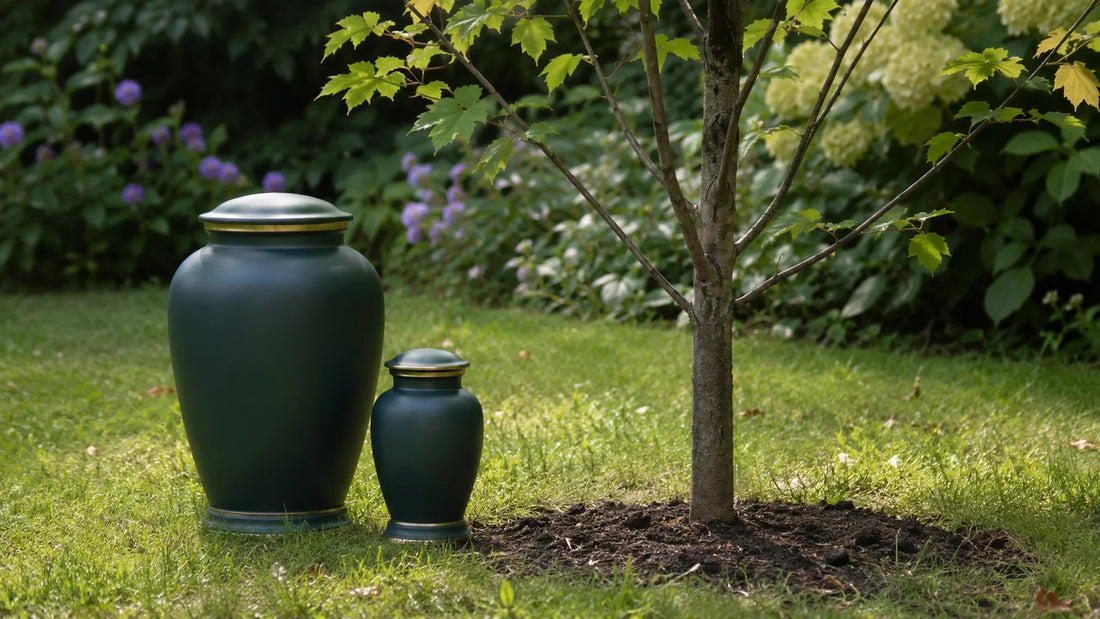
After cremation, many families ask the same practical and emotional question: what can you do with cremation ashes?
The short answer is that you have several options. You can keep the ashes at home in an urn, bury them in a cemetery, place them in a columbarium niche, scatter them in a meaningful location where permitted, divide them among family members, or use a small portion for memorial keepsakes. Some families choose one path. Others combine several.
That flexibility is one of the reasons cremation appeals to so many people. It gives families time to decide what feels most appropriate and what best reflects the person who died. For some, the right choice is a permanent place of remembrance. For others, it is a private memorial at home. For others still, it is the symbolic act of scattering ashes in a place that mattered deeply.
The decision can feel simple in theory but complicated in real life. Family members may have different views. Emotions may still be raw. A choice that sounds right on the day of the cremation may feel different a few months later.
That is normal. Deciding what to do with cremation ashes is not only about logistics. It is also about grief, memory, and how a family wants to maintain a sense of connection.
The most helpful place to start is usually with the wishes of the person who died. If they left clear instructions, those preferences should guide the decision whenever possible. If they did not, the next best approach is to think about what will bring the most peace, what is practical over time, and what feels respectful to everyone involved.
Keep the ashes at home in an urn
One of the most common choices is to keep cremation ashes at home. Many families find comfort in having the remains nearby, especially in the first months after a loss. An urn can be placed on a shelf, mantel, memorial table, or other meaningful location within the home. Some families prefer a visible display with photographs and mementos, while others choose a more private space.
Keeping ashes at home can be a good option for people who are not ready to make a permanent decision. It can also make sense when a family wants time to plan a later memorial service, burial, or scattering. In that way, keeping the urn at home does not always have to be the final answer. It can be a temporary step that gives everyone more time to think clearly.
There are practical considerations as well. Families should think about the size and style of the urn, where it will be stored, and whether the location feels secure. Households with small children or pets may want a stable placement rather than a high-traffic area. Some people also think ahead about the future and ask who would eventually take responsibility for the urn if circumstances change.
For many families, though, the main reason is simple: it feels comforting. The home was the center of the person's life, so keeping the ashes there can feel natural and personal.
Bury the ashes in a cemetery
Burying cremation ashes is another common and meaningful choice. This option gives the person a permanent resting place and gives family and friends a dedicated place to visit. Depending on the cemetery, ashes may be buried in a cremation plot, in a family plot, or in another designated space for cremated remains.
Families often choose burial because it provides structure. There is a clear location for anniversaries, holidays, and personal visits. For people who value tradition, cemetery burial may feel more familiar and grounding than keeping ashes at home. It can also simplify long-term decisions, since the remains are placed in a permanent setting rather than left for future family members to sort out later.
Some cemeteries allow cremated remains to be buried with another family member. Others have specific rules about urn types, grave liners, or memorial markers. Because those details vary, it is important to ask the cemetery what is allowed and what costs apply. If a family wants a headstone, plaque, or other memorial marker, that can often be arranged as part of the burial plan.
Burying ashes is not the right choice for every family, but for those who want permanence and a place of visitation, it can be one of the most reassuring options.
Place the ashes in a columbarium niche
A columbarium niche is another permanent option for cremation ashes. A columbarium is a structure designed specifically to hold urns. These niches may be located in cemeteries, mausoleums, memorial parks, or places of worship. For families who want a formal place of remembrance without burial, a niche can be an effective middle ground.
This option appeals to people who want a defined memorial location but prefer not to place the urn in the ground. The niche typically includes the person's name and dates, and it offers a place that family members can visit over time. In many settings, columbariums are quiet and thoughtfully maintained, which adds to the sense of dignity and permanence.
Placing an urn in a niche can also help when multiple family members want one shared place of remembrance rather than keeping ashes in different homes. Instead of having to choose who takes responsibility for the urn, the family can agree on a central memorial setting that remains stable for the long term.
As with cemetery burial, there are usually fees, rules, and size requirements. Families should confirm the niche dimensions, visitation policies, and whether a specific urn type is required before making a final decision.
Scatter the ashes in a meaningful place
Scattering ashes is one of the most personal options available after cremation. Many people choose it because it reflects the person's personality, values, or favorite places. A scattering may happen in a garden, at sea, in the mountains, near a lake, or in another location that held special meaning. For some families, the act of scattering feels symbolic, peaceful, and deeply fitting.
This option is often chosen by people who do not want a permanent urn or burial site. It can feel less formal and more connected to nature. Families may plan a quiet private moment or a larger ceremony with readings, music, and shared memories. The setting itself often becomes part of the tribute.
That said, scattering ashes is not something families should do impulsively. Rules can vary depending on the location. Public land, private land, beaches, parks, waterways, and protected areas may all have their own requirements. Before scattering ashes anywhere, it is wise to confirm what is permitted and whether permission is needed.
It is also worth considering the emotional finality of scattering. Some families feel immediate peace afterward. Others later wish they had kept a small portion. For that reason, many people choose to scatter most of the ashes while reserving a little for a keepsake urn or piece of memorial jewelry.
Divide the ashes among family members
Families do not always have to choose one location for all of the cremation ashes. In many cases, the ashes can be divided into multiple urns or keepsake containers. This can be useful when children, siblings, or other close relatives all want a portion of the remains.
Dividing the ashes can reduce conflict when family members live in different places or have different ideas about remembrance. One person may want to keep a small urn at home, while another may want to place a portion in a niche or scatter part of it later. Splitting the ashes can make room for those differences without forcing everyone into one decision.
This approach does not feel right to every family. Some people take comfort in keeping the remains together as one whole. Others feel that sharing portions is the most practical and compassionate solution. Neither view is inherently better. It depends on family dynamics, beliefs, and what the person who died would likely have wanted.
If ashes are going to be divided, it helps to decide early how many keepsake containers are needed and what size they should be. Clear planning prevents confusion and ensures the distribution is handled carefully and respectfully.
Use a small portion for memorial jewelry or keepsakes
Another option is to place a small amount of cremation ashes into memorial jewelry or a keepsake object. This may include pendants, rings, lockets, small urns, or decorative memorial items designed to hold a trace amount of remains. For some people, this creates a more personal and portable form of remembrance than a traditional urn.
Memorial jewelry can be especially meaningful for someone who wants to feel a close, private connection to the person every day. It can also be a practical choice when most of the ashes will be scattered or buried, but one or more family members would still like something tangible to keep.
Keepsakes work well for families who want to share remembrance without dividing the full remains into equal portions. A small amount can be used for jewelry, while the rest stays in an urn, niche, or cemetery. This can balance emotional needs with the desire to keep most of the ashes together.
Before choosing this route, families should think about who wants a keepsake, how many are needed, and whether they are comfortable using a small portion of the remains for that purpose. It is usually a good idea to make these decisions calmly rather than as a rushed add-on.
Create a memorial space at home or in a garden
Some families want more than storage but less than a cemetery or columbarium. In those cases, creating a dedicated memorial space can be a meaningful alternative. This might be an indoor memorial table with an urn, framed photographs, and personal items, or it might be a small outdoor remembrance area in a garden where appropriate.
The benefit of a memorial space is that it creates intention. Instead of the urn simply sitting on a shelf, the space becomes a place for reflection. Family members may visit it on birthdays, holidays, or difficult days. Over time, it can become part of the family's grieving and remembrance ritual.
Some people also choose a biodegradable memorial product for outdoor placement where permitted, especially if they want the ashes associated with a tree or garden setting. When considering any outdoor option, it is important to think about weather, privacy, long-term access, and whether the location will remain meaningful and manageable over time.
This approach is often appealing for families who want something deeply personal without choosing a formal cemetery setting.
Use more than one option
One of the most overlooked answers to the question of what you can do with cremation ashes is this: you do not always have to choose only one thing. Families often combine options in a way that suits both emotional and practical needs. For example, part of the ashes may be kept in an urn at home while another portion is buried in a cemetery. A family may place the main urn in a niche but reserve a small amount for keepsake jewelry. Another family may keep the urn at home for a period of time and decide on scattering later.
This flexibility can be especially useful when family members are not ready to make a final decision immediately. It also helps when relatives have different but reasonable wishes. Instead of treating the decision as a single irreversible choice, families can create a plan that balances permanence, accessibility, and personal meaning.
Using more than one option does require coordination. The family should be clear about how much of the ashes will go where, who is responsible for each step, and whether there are any timing or legal considerations involved. But when handled thoughtfully, a combined approach often works very well.
What should families consider before deciding?
Before making a final decision, it helps to step back and look at the choice from both an emotional and practical perspective. A few questions can help:
- Did the person leave clear wishes about what should happen to their ashes?
- Does the family want a permanent place to visit?
- Would keeping the ashes at home feel comforting or burdensome over time?
- Do multiple family members want to keep a portion?
- Would scattering feel meaningful, or would it feel too final?
- Are there religious, cultural, or family traditions to consider?
- Are there local rules or permissions required for the option being considered?
- Who will be responsible for the urn or memorial in the future?
These questions do not remove the emotional weight of the decision, but they help bring clarity. Families often feel stuck because they are trying to choose based on emotion alone. A more balanced approach usually leads to a decision that feels steadier and more sustainable.
You do not always need to decide immediately
Many families feel pressure to make a quick decision about cremation ashes, but that is not always necessary. In many situations, taking time is the better course. Grief can affect judgment, and a choice made under pressure may not feel right later. If there is no urgent reason to decide, families may benefit from keeping the ashes temporarily while they think things through.
Waiting can be particularly helpful when relatives live far apart, when a memorial service is being planned for a later date, or when there is disagreement about the best option. Time often makes those conversations easier. It also allows people to distinguish between what feels urgent and what actually matters most.
If the cremation provider is still holding the ashes, families should ask about any storage policies or timelines. If the ashes have already been returned, keeping them securely at home while deciding is often a reasonable approach. A thoughtful decision made later is usually better than a rushed one made too soon.
There is no single right way to honor someone
The most important point is that there is no universal best answer to what you should do with cremation ashes. A dignified burial is not automatically more meaningful than a quiet scattering. A memorial niche is not automatically better than an urn at home. A small keepsake can be just as significant as a formal cemetery marker. The value comes from the meaning behind the choice, not from how elaborate it looks.
Different families grieve differently. Different people define closeness, closure, and remembrance in different ways. Cremation allows space for those differences. That is one of its strengths. The right decision is the one that reflects the person's wishes when known, respects the family's needs, and feels manageable in the years ahead.
Final thoughts
So, what can you do with cremation ashes? You can keep them at home, bury them in a cemetery, place them in a columbarium niche, scatter them in a meaningful place where permitted, divide them among family members, or use a small portion for memorial keepsakes. You can also combine these options if that better fits the family's needs.
The best choice is usually the one that feels both respectful and sustainable. It should honor the person who died, make sense for the family, and provide a form of remembrance that still feels right over time. In many cases, that decision becomes clearer once the immediate shock of loss begins to settle.
If you are unsure, it is reasonable to slow down, talk openly, and choose carefully. There is no advantage in rushing a decision this personal. With time and thoughtful discussion, most families find a path that brings peace and preserves a meaningful connection.
Share
Continue reading


