
What Happens During the Cremation Process? A Step-by-Step Guide for Families
Please note: This article describes the cremation process in detail. Some readers may find the content distressing. Please keep this in mind before continuing.
When families ask what happens during the cremation process, they are usually looking for a clear, respectful explanation of each step. In this article, cremation refers to standard flame cremation, which is what many families mean when they use the term.
In general, cremation involves identification and authorization, preparation of the body, placement into a cremation chamber, careful processing of the remaining bone fragments, and the return of the cremated remains to the family. While the exact timeline and paperwork can vary by location, the overall process is designed to be dignified, secure, and carefully documented.
For many people, cremation feels unfamiliar until they have to make arrangements for someone they love. Understanding what happens before, during, and after the cremation can make decisions feel less overwhelming and help families know what to expect.
What Happens During the Cremation Process, Step by Step
Although each funeral home and crematory has its own procedures, the cremation process usually follows the same basic order:
- The deceased is identified and the required paperwork is completed.
- Any necessary permits or waiting periods are observed.
- The body is prepared for cremation and placed in a combustible container or casket.
- The cremation takes place in a specialized cremation chamber using intense heat.
- The remaining bone fragments are cooled and processed into a finer consistency.
- The cremated remains are placed in a temporary container or urn and returned to the family.
That is the basic answer, but each of those steps matters. Here is a closer look at what happens at every stage.
Identification, Paperwork, and Legal Authorization Come First
Before cremation can take place, the funeral home or crematory confirms the identity of the person in its care and completes the required documentation. This step is extremely important. Cremation is irreversible, so providers follow strict procedures before moving forward.
In most cases, the family or legal next of kin must sign a cremation authorization form. There may also be a death certificate process, a cremation permit, and approval from a medical examiner or coroner in certain circumstances. Depending on local law, there may be a required waiting period before cremation can happen.
Families are often surprised to learn that the actual cremation is only one part of the overall timeline. In many cases, the time before cremation is spent completing legal requirements, coordinating with the crematory, and making sure every detail is correct. Those safeguards are there to protect the family and the person who has died.
The Body Is Prepared With Care and Respect
Once authorization is complete, the body is prepared for cremation. What this preparation looks like depends on the family’s wishes. If there will be a private goodbye, identification viewing, or full visitation before cremation, the funeral home may bathe, dress, and present the person before that service takes place.
If there is no viewing, the preparation is usually more simple, but it is still done with care. Embalming is often not required for cremation unless there is a public viewing, a delay that makes it necessary, or another reason related to the arrangements. Refrigeration is commonly used when temporary preservation is needed.
Before cremation, certain items must be removed for safety. Pacemakers and other battery-powered medical devices are typically taken out because they can react to heat. Depending on the situation, jewelry, keepsakes, and other personal items may also be removed unless the family has made specific arrangements and the item is appropriate for cremation.
A Cremation Container or Casket Is Used
The body is then placed in a combustible container for cremation. This may be a simple cremation container made of wood or other combustible materials, or it may be a cremation casket. If the family has chosen a viewing or funeral beforehand, there are also options such as a rental casket with an inner container that is used for the cremation itself.
The container serves several purposes. It provides a dignified way to move the body, supports respectful handling, and is suitable for the cremation chamber. In most professional settings, the body is not placed directly into the chamber without a container.
At this point, identification procedures continue. Funeral homes and crematories use tracking methods so the person in their care is properly identified throughout the process. That attention to detail is one of the most important parts of professional cremation care.
The Cremation Takes Place in a Specialized Chamber
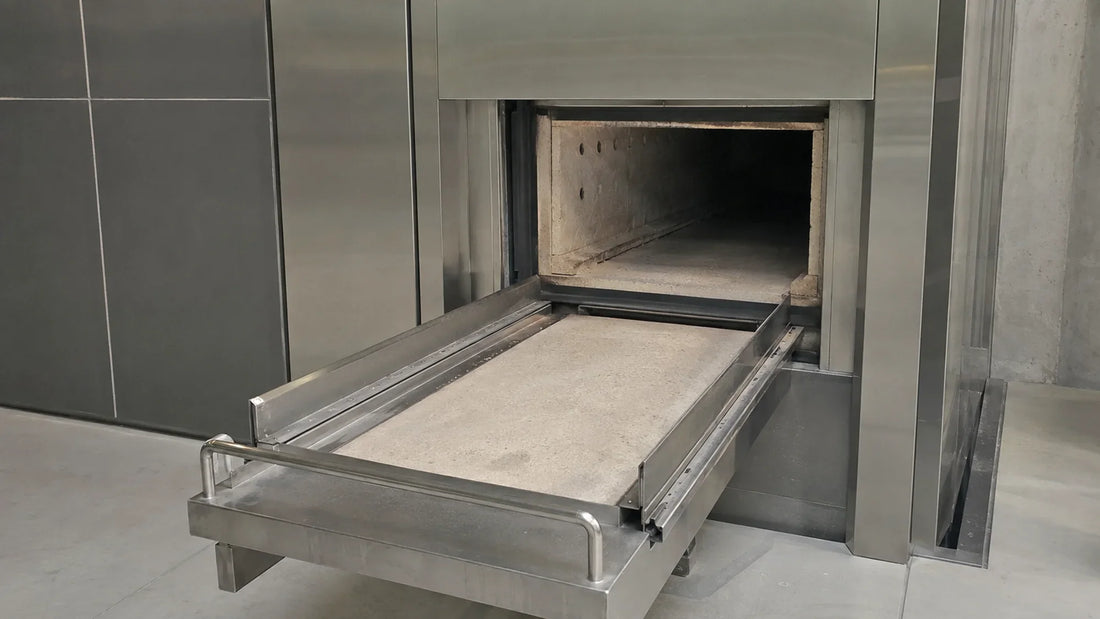
The actual cremation happens inside a cremation chamber, sometimes called a retort. This is a specially designed, enclosed chamber that uses very high heat to carry out the cremation. The process is not the same as an open flame in a room. It takes place in controlled equipment made specifically for this purpose.
When the cremation begins, the container and body are placed into the chamber. Over the course of several hours, heat reduces the body’s tissues. Water content is evaporated, soft tissues are reduced by heat, and what remains at the end are bone fragments and any non-combustible materials that may still be present.
Several factors can affect how long cremation takes, including the size of the person, the type of container used, and the operation of the equipment. Because of those variables, funeral homes usually avoid giving families an exact minute-by-minute estimate.
For families who want to know whether cremation happens individually, the answer in standard practice is yes. Each person is cremated separately, and the chamber is prepared between cremations. That is part of maintaining dignity and proper identification.
After Cremation, the Remaining Fragments Are Cooled and Processed
When the cremation is complete, the remaining bone fragments are allowed to cool. This step is necessary before they can be handled further. After cooling, crematory staff remove certain non-combustible materials that may remain, such as metal from medical implants or fasteners from the container.
The bone fragments are then placed into a special processing machine. This machine reduces them to the consistency families typically recognize as cremated remains. Many people refer to these remains as “ashes,” but in reality they are primarily processed bone fragments. The final texture is usually more like a coarse, uniform powder than the fluffy ash left behind by paper or wood.
This part of the process is also handled carefully and systematically. The goal is to prepare the cremated remains in a form that can be placed into an urn or other container for the family.
The Cremated Remains Are Placed in a Temporary Container or Urn
After processing, the cremated remains are placed in a container. Some families purchase a decorative urn ahead of time, while others choose to receive the remains in a temporary container and decide on a permanent urn later.
The funeral home or crematory then returns the cremated remains to the authorized person, according to the instructions on file. In some cases, that means the family picks them up in person. In others, they may be delivered, mailed where permitted, or placed by the funeral home in a cemetery, mausoleum, or columbarium.
Once the remains have been returned, the family can decide what type of memorialization feels right. Options may include keeping the urn, burying it, placing it in a niche, scattering the remains in a permitted location, or dividing small portions among memorial keepsakes if that is allowed and desired.
Families Can Still Have Services Before or After Cremation
One of the biggest misconceptions about cremation is that it eliminates the chance for a meaningful service. In reality, cremation is simply the method of final disposition. A family can still choose many of the same rituals and gatherings they would choose with burial.
Some families hold a visitation and funeral before cremation. Others choose a simple direct cremation first and then plan a memorial service later, when relatives and friends can gather more easily. Some want a small witness cremation or a private moment of prayer before the cremation begins. Others prefer a celebration of life weeks or months afterward.
Because cremation offers flexibility, it can accommodate a wide range of personal, cultural, and religious preferences. The process itself may be technical, but the surrounding arrangements are often deeply personal.
Why the Full Cremation Timeline May Be Longer Than Expected
Families sometimes assume cremation happens immediately after death, but that is not always the case. Even when the cremation itself takes place in a matter of hours, the overall process often includes transfer into care, documentation, permits, scheduling, preparation, and coordination with the family.
If there is a viewing or service beforehand, that adds time as well. If the death requires review by a medical examiner or coroner, arrangements may take longer. Busy periods, weekends, and holidays can also affect scheduling. This is why a funeral director will usually explain the full timeline as a series of steps rather than a single event.
For many families, knowing this in advance prevents unnecessary worry. A short delay does not usually mean anything is wrong. More often, it means the provider is working through the required process carefully and correctly.
What Families Often Want to Know Most
At the heart of this question is usually something deeper than logistics. Families want to know whether their loved one will be treated with dignity, whether the process is respectful, and whether they will receive the correct cremated remains back. Professional cremation providers understand those concerns and build their procedures around them.
If you are planning cremation for someone you love, it is reasonable to ask direct questions. You can ask what paperwork is required, whether there is a waiting period, whether identification procedures are used at every stage, what type of container is used, how the remains will be returned, and whether any witnessing or memorial options are available. Clear answers can bring real peace of mind.
Understanding the cremation process does not remove the weight of loss, but it often makes the practical side of arrangements feel more manageable. Knowing what happens step by step can help families make informed decisions with greater confidence.
Final Thoughts on the Cremation Process
So, what happens during the cremation process? First, the funeral home and crematory confirm identity, secure legal authorization, and complete the required paperwork. Next, the body is prepared and placed in a combustible container. Then the cremation takes place in a specialized chamber using intense heat. Afterward, the remaining bone fragments are cooled, processed, and placed in an urn or temporary container before being returned to the family.
While the process is technical, the purpose behind it is deeply human: to care for someone with dignity and to help the people who loved them move forward with clarity. If you are considering cremation, a trusted funeral professional can explain how the process works in your area and help you choose the options that feel right for your family.
Share
Continue reading


