
What Happens to Pacemakers, Implants, and Medical Devices Before Cremation?
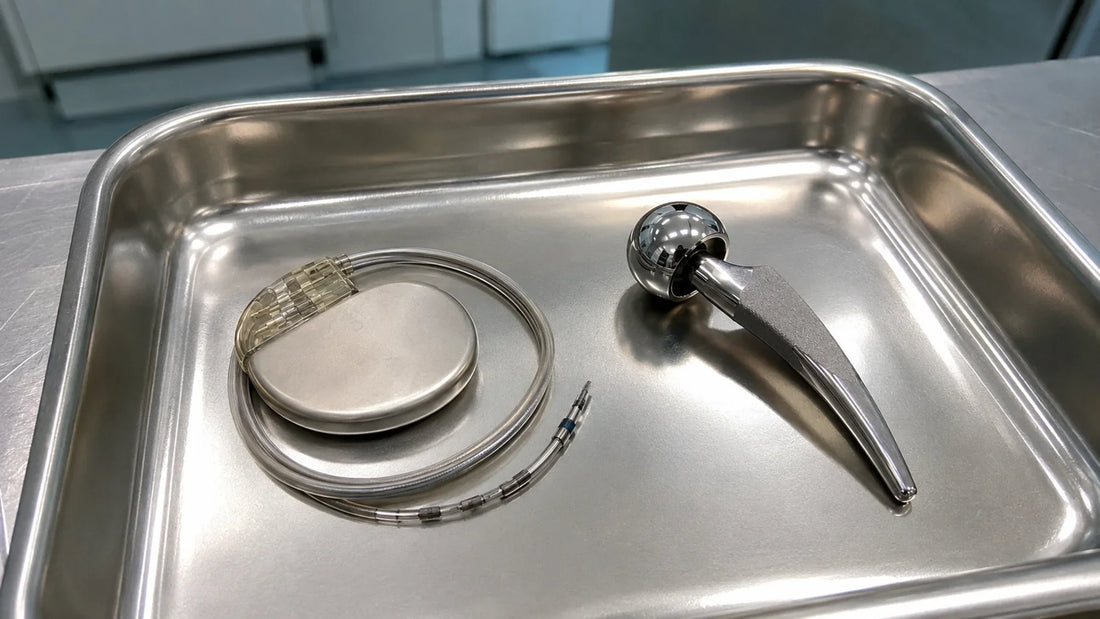
If you are arranging cremation for someone who had a pacemaker, joint replacement, or another medical device, it is natural to wonder what happens before the cremation begins. The simple answer is that battery-powered or otherwise hazardous implanted devices are addressed before cremation, while most non-hazardous implants are usually left in place.
After the cremation is complete, any remaining metal is separated from the cremated remains. It is a standard part of the preparation process, and it is handled with safety, professionalism, and respect.
This question comes up often because many people have medical implants today. Pacemakers, implanted heart devices, artificial joints, surgical screws, plates, rods, stents, dental work, and other devices are common.
Families are often unsure which of these items matter for cremation and which do not. A good funeral home or crematory will guide you through that step and ask the right questions before anything moves forward.
In most cases, the main concern is not whether a person had an implant at all. The concern is whether that device contains a battery, a power source, pressure, or another component that could create a hazard in the cremation chamber.
That is why pacemakers are discussed so often. They are one of the best-known examples of a device that must usually be removed before cremation takes place.
The short answer: some devices are removed, many implants are not
When families ask what happens to pacemakers, implants, and medical devices before cremation, the clearest answer is this: some devices are removed beforehand, and many others are not.
Pacemakers and similar battery-powered implanted devices are typically removed before cremation because high heat can create a safety risk. Other internal implants, such as hip replacements, knee replacements, metal plates, screws, rods, and most dental hardware, usually stay in place. Those items do not usually need to be removed in advance. If any metal remains after cremation, it is separated from the cremated remains afterward.
External medical items are handled differently. Hearing aids, wearable monitors, external insulin pumps, prosthetic limbs, and other removable devices are generally taken off before cremation, much like jewelry, eyeglasses, or other personal items. If a family wants certain belongings returned, that is usually discussed during arrangements.
Why pacemakers and certain implanted devices must be removed
Pacemakers are removed before cremation because they can react dangerously when exposed to cremation temperatures. The same concern can apply to other implanted devices that contain batteries or similar components. In addition to pacemakers, this may include implantable cardioverter defibrillators, some neurostimulators, certain drug infusion pumps, and other specialized devices.
The goal is simple: protect the crematory staff, protect the equipment, and make sure the cremation can proceed safely. A cremation chamber operates at extremely high heat. A battery-powered or otherwise hazardous device can rupture, explode, or damage the chamber. For that reason, crematories take device disclosure seriously and will usually require confirmation that any such device has been identified and handled before the cremation begins.
There can also be less common situations that require extra attention. For example, if a person had a highly specialized implanted device or a radioactive treatment implant, the funeral home may need additional information before moving forward. These cases are not the norm, but they are one reason funeral directors ask detailed questions during the cremation authorization process.
Which implants usually stay in place for cremation
Not every implant needs to be removed. In fact, many common implants stay in the body through cremation because they do not present the same kind of hazard as a battery-powered device.
Examples of implants that usually remain in place include:
- Hip replacements
- Knee replacements
- Surgical plates, screws, pins, and rods
- Joint hardware
- Most stents and other non-battery internal supports
- Many types of dental work, such as fillings, crowns, and bridges
Families are sometimes surprised by this. They assume every metal implant has to be removed before cremation, but that is not usually the case. Removing orthopedic hardware or similar implants would often serve no practical purpose. Instead, the cremation proceeds, and any remaining metal is separated later as part of the post-cremation process.
The exact list can vary somewhat depending on the device, the crematory's policy, and local requirements. That is why it is always best to disclose all known implants, even if you believe they are harmless. It is easier for the funeral home to confirm what matters than for a family to guess.
How funeral homes and crematories find out about medical devices
Funeral professionals do not rely on guesswork. Before cremation, they typically ask whether the person had a pacemaker, defibrillator, implanted pump, stimulator, or any other medical device that could matter. This information often comes from the next of kin, the person signing the cremation paperwork, hospital paperwork, nursing facility records, or the family's general knowledge of the person's medical history.
That is one reason cremation paperwork can feel detailed. The questions are there to make sure the process is safe and that no important information is overlooked. A family member may not know the technical name of a device, and that is okay. Even saying something like, “He had a heart device,” or “She had a battery in her chest,” is enough to alert the funeral home that more review is needed.
If there is uncertainty, the funeral home may ask follow-up questions before the cremation is scheduled. They may want to know whether the person had heart surgery, wore a medical device card, had a visible implant scar, or had recently undergone a specialized medical procedure. The goal is not to burden the family. It is to confirm the facts before the cremation takes place.
Who removes a pacemaker or hazardous device before cremation
Families sometimes worry that device removal sounds like a major surgical procedure. In practice, it is generally a standard post-death preparation step carried out by trained professionals, following local laws and the crematory's procedures. Depending on the circumstances, the removal may be handled by a funeral director, embalmer, mortuary staff member, pathologist, medical examiner, or another qualified professional.
The removal is done privately and respectfully. It takes place before the person is placed into the cremation chamber, and it is treated as part of the professional preparation for cremation. For families, this usually means there is nothing extra they need to arrange beyond providing accurate information and signing the required authorization forms.
Once removed, the device is not cremated. It is handled separately according to the provider's policy and any applicable legal, environmental, or safety requirements. If a family has questions about what will happen to a specific device afterward, the funeral home can explain its policy in advance.
What happens to metal implants after the cremation is complete
After the cremation is finished, the cremated remains are carefully collected. At that stage, any non-organic material that remains, including metal fragments from implants or prosthetics, is separated out as far as possible. This is one reason a family does not usually receive hip replacement parts, screws, or other metal hardware in the urn.
Only after that separation step are the cremated remains processed into the uniform consistency families expect. Although people often use the word ashes, cremated remains are primarily processed bone fragments. The preparation step after cremation helps make sure the remains placed into the temporary container or urn are as clean and consistent as possible.
What happens to the separated metal depends on the crematory's policy. Some facilities dispose of it through standard legal channels, while others may work with specialized recycling programs where permitted. Policies vary, so families who want to understand that part of the process should ask their funeral home directly.
What families should tell the funeral home before cremation
If you are arranging cremation, the best thing you can do is share as much medical information as you know. You do not need to be an expert. You simply need to tell the funeral home anything that might be relevant.
Helpful details to mention include:
- Any pacemaker or implanted heart device
- Any defibrillator
- Any implanted stimulator or pain-control device
- Any medication pump or infusion pump
- Any recent radiation-based implant or treatment device
- Any external device that should be removed and returned to the family
- Any uncertainty about surgeries or implanted hardware
If you are not sure whether something counts, say so anyway. It is much better to over-disclose than under-disclose. Funeral homes deal with these questions regularly, and they would rather clarify a device early than discover a problem at the crematory.
It can also help to bring any medical device identification card, discharge paperwork, or notes from a hospital or care facility if you have them. That kind of information can make the process smoother, especially when the device is uncommon or recently implanted.
Common concerns families have about implants and cremation
Can someone be cremated if they had a pacemaker?
Yes, but the pacemaker or other hazardous implanted device is usually removed before the cremation takes place.
Do all metal implants have to come out first?
No. Most orthopedic implants and similar metal hardware are usually left in place and handled after cremation if any metal remains.
Will this change the ashes we receive?
Families still receive the cremated remains. Non-organic materials and metal are separated from the remains as far as possible before the remains are placed in an urn or temporary container.
Will device removal delay the cremation?
Usually not by much if the device is disclosed early. Delays are more likely when a device is unknown, highly specialized, or requires extra verification.
What if we do not know whether there was a pacemaker or another implanted device?
Tell the funeral home what you do know. Even partial information can help the staff determine whether more review is needed before cremation.
A process designed for safety and dignity
For most families, the idea of pacemakers, implants, and medical devices before cremation is unfamiliar territory. That is completely normal. The good news is that this is a routine part of cremation preparation. Funeral homes and crematories know what to look for, which devices usually need attention, and how to handle the process respectfully.
The simplest way to think about it is this: battery-powered or otherwise hazardous implanted devices are usually removed before cremation, while most non-hazardous implants stay in place and any remaining metal is separated afterward. If you are ever unsure about a pacemaker, artificial joint, surgical hardware, or another medical device, tell the funeral home. A brief conversation before cremation can provide clarity, prevent delays, and give your family confidence that everything will be handled safely and with care.
Share
Continue reading


