
What Is an Alternative Container for Cremation?
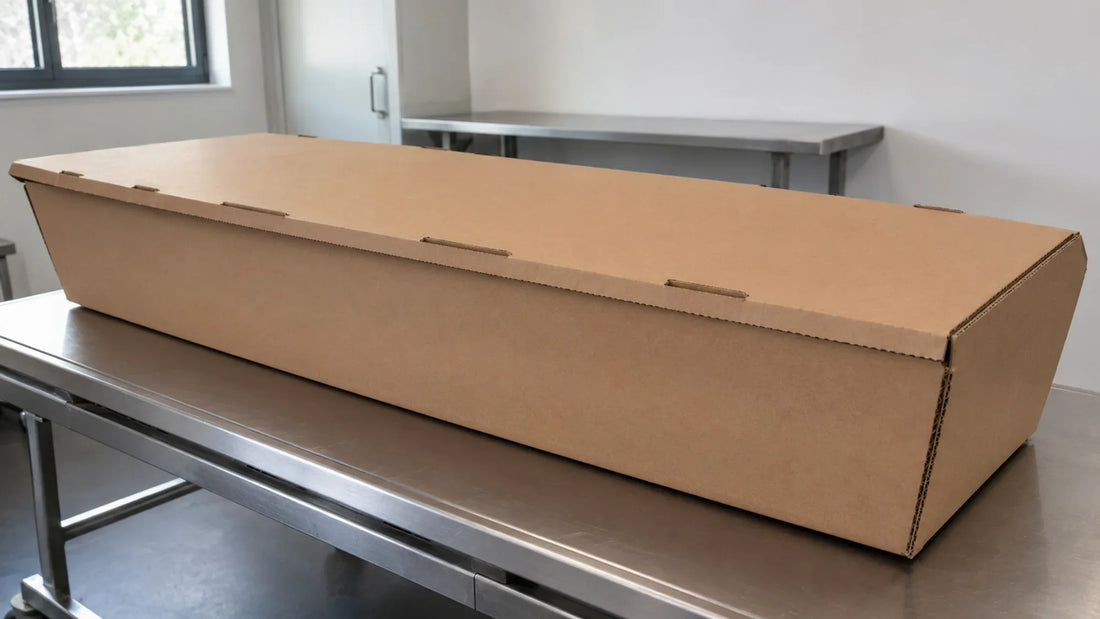
If you are arranging a cremation, you may hear the phrase alternative container and immediately wonder what it actually means. It sounds technical, and for many families it is not a term they have ever encountered before. In simple terms, an alternative container is a basic container used to hold the body before and during cremation instead of a traditional casket.
This option is common in direct cremation and other simple cremation arrangements. It gives the crematory a dignified, combustible, and appropriate way to shelter and transport the body through the cremation process without requiring the family to purchase a full casket if they do not want one.
For some families, that makes an alternative container a practical choice. For others, the term raises questions about appearance, cost, and whether it is respectful enough. Those are valid questions, especially when decisions are being made under stress and with limited time.
Understanding what an alternative container is, when it is used, and how it differs from a casket can make cremation planning much easier. It can also help families choose arrangements that fit both their budget and the kind of farewell they want.
What an Alternative Container for Cremation Is
An alternative container for cremation is a rigid, enclosed container used to hold the body before and during cremation when a traditional casket is not being used. It is designed specifically for cremation, which means it is made from materials that can be safely cremated and that meet the funeral home or crematory’s handling requirements.
Put simply, it is a cremation container. It is not the same as an urn, which is what holds the cremated remains afterward. It is also not the same as a full ceremonial casket used for a traditional funeral or burial. Its role is more practical: to provide proper support, privacy, and dignity from the time the body is placed into care until the cremation is complete.
Many people assume that if they choose cremation, the body goes directly into the cremation chamber without any container. That is usually not the case. In most settings, a container is needed for respectful handling and safe movement. The alternative container serves that purpose.
Why a Container Is Used for Cremation
A container is used for cremation for several reasons, and they all come down to dignity, safety, and proper procedure. First, the body must be transported and handled from the place of death to the funeral home or crematory. A suitable container provides support and allows staff to care for the person properly throughout that process.
Second, the container helps maintain privacy and respect. Even when families choose the simplest cremation option, the person is still placed in a closed container rather than being exposed during transfers or preparation.
Third, a cremation container must be rigid enough to allow safe placement into the cremation chamber. That practical requirement is one reason funeral homes and crematories use approved containers rather than improvising.
So while the phrase alternative container can sound secondary or optional, the container itself plays an important role. It is a standard part of many cremation arrangements and helps ensure the process is carried out appropriately.
What Alternative Containers Are Usually Made From
Alternative containers are generally made from combustible materials. Common examples include heavy cardboard, fiberboard, particleboard, pressed wood, unfinished wood, or similar products that can be cremated safely. The exact construction depends on the provider and the type of container offered.
Some are very plain and simple in appearance. Others are sturdier or more finished, with a smoother outer surface, a lining, or a design that looks more substantial than people expect. The purpose is not luxury, but function. The container must be suitable for holding the body with dignity and appropriate for the cremation process.
Families sometimes hear “cardboard cremation container” and picture something flimsy or careless. That can be misleading. While some alternative containers are made from reinforced cardboard or similar materials, they are specifically designed for this use. They are not just ordinary boxes. They are made to meet the handling and combustion needs of cremation.
How an Alternative Container Differs From a Casket
The biggest difference between an alternative container and a casket is purpose. A traditional casket is usually designed for presentation and ceremony. It may be chosen for a public viewing, visitation, funeral service, or burial. Because of that, it often includes decorative exterior materials, interior fabric, hardware, and a more finished appearance.
An alternative container is simpler. It is used when a family does not need or want a display casket. Its role is functional rather than ceremonial. It still provides dignity and proper care, but it does not carry the same design expectations as a casket that will be viewed by guests during a public service.
This is why alternative containers are so common in direct cremation. If there is no public viewing with the body present, many families decide there is no reason to pay for a traditional casket. The alternative container gives them a practical option that matches the simpler arrangement.
How an Alternative Container Differs From an Urn
Another common point of confusion is the difference between an alternative container and an urn. These are two completely different things used at different stages of the process.
The alternative container is used before and during cremation. It holds the body and is generally cremated along with it. An urn, by contrast, is used after the cremation is complete. It holds the cremated remains once they have been processed and returned to the family.
In other words, the alternative container is for the body before cremation, while the urn is for the remains afterward. Families planning cremation often choose both, but they serve entirely separate purposes.
When Families Usually Choose an Alternative Container
The most common time families choose an alternative container is when they select direct cremation. Direct cremation usually means the body is cremated without a public viewing, visitation, or funeral service beforehand. Because there is no formal event requiring a casket, a simpler cremation container is often the most sensible choice.
Families may also choose an alternative container because they want to keep costs lower, prefer uncomplicated arrangements, or believe a simple cremation better reflects the wishes of the person who died. Some people specifically ask for no elaborate funeral merchandise, and an alternative container can fit that preference well.
This does not mean families who choose an alternative container care less. In many cases, it means they are prioritizing other things, such as a memorial service later, an urn, travel for relatives, cemetery placement of the ashes, or simply a more modest and practical approach overall.
Is an Alternative Container Respectful?
Yes, an alternative container can absolutely be respectful. This is one of the most important questions families ask, and it deserves a clear answer. Respect is not determined only by how ornate or expensive a container is. Respect comes from the way the person is cared for, identified, transported, and cremated, as well as from the intentions behind the family’s choices.
For some families, simplicity itself feels more respectful. The person who died may have preferred modest arrangements, disliked unnecessary spending, or wanted the least complicated option possible. In those cases, choosing an alternative container can feel more personal and fitting than choosing a traditional casket just because it looks more formal.
A simpler container does not mean the process is careless or rushed. It simply means the family has chosen a basic cremation option rather than a ceremonial one. Funeral homes and crematories use these containers routinely, and they are intended to provide proper and dignified care.
Can You Have a Viewing With an Alternative Container?
Usually, an alternative container is not the first choice for a public viewing or formal funeral service with the body present. Most families who want a public viewing choose a cremation casket or a rental casket instead, because those options are designed for appearance as well as function.
That said, the answer depends on the kind of gathering the family wants. A brief private identification or family-only goodbye may sometimes be possible with a simpler container, depending on the funeral home, the condition of the body, and the specific arrangement. But if the goal is a formal open-casket visitation, a traditional-looking casket is usually the better fit.
This is an important distinction. An alternative container is often ideal for simple cremation without public ceremony. If ceremony matters before cremation, families should ask about containers and caskets intended for viewing.
Does an Alternative Container Lower the Cost of Cremation?
In many cases, yes. One reason alternative containers are widely used is that they are usually less expensive than traditional caskets. Because they are made from simpler materials and are not intended as display merchandise for a formal service, they typically cost less.
For families choosing direct cremation, that can significantly affect the total price. Instead of purchasing a casket they do not plan to use for viewing or burial, they can choose a basic container that meets the crematory’s requirements without adding unnecessary expense.
This can be especially important when a family is balancing practical realities with emotional decisions. They may want a respectful cremation but also need to manage costs carefully. In that situation, the alternative container often makes sense because it supports the cremation without forcing the family into a more elaborate purchase.
Is an Alternative Container Included in Direct Cremation?
Sometimes it is, and sometimes it is not. Many direct cremation packages include a basic alternative container as part of the price. Other providers may list it as a separate charge or offer several container choices at different price points.
This is why families should always ask what is actually included in a quoted cremation price. One provider’s direct cremation package may include transportation, paperwork, the alternative container, and a temporary urn. Another may advertise a lower price but charge extra for some of those same items.
If you are comparing cremation providers, it is helpful to ask exactly what kind of container is included, whether there are upgrades, and whether the quoted price covers everything needed for the cremation itself.
Can Families Choose Something Other Than an Alternative Container?
Yes. An alternative container is only one option. Families can often choose a cremation casket, a rental casket for a viewing, or another approved cremation container offered by the funeral home. The right choice depends on what kind of service, if any, will take place before cremation.
If there is no public gathering with the body present, the alternative container is often the most practical option. If the family wants a visitation or funeral beforehand, a different choice may be more appropriate. Some families also prefer a container that feels more substantial even without a public service, and funeral homes may offer upgraded options for that reason.
The most useful way to think about the decision is this: choose the container that fits the kind of farewell you want, rather than assuming there is only one correct path.
What Questions Should You Ask the Funeral Home?
If you are considering cremation and want to understand your container options, asking direct questions can make the decision much easier. Some of the most useful questions include:
- What type of alternative container do you provide for cremation?
- Is it included in the direct cremation price?
- What materials is it made from?
- Do you offer upgraded cremation containers or cremation caskets?
- Would we need a different container if we want a private goodbye or public viewing?
- Are there any container requirements we should know about before making a decision?
These questions help families understand both the practical and financial side of the arrangement. They also make it easier to compare providers fairly, since advertised pricing can vary depending on what is included.
How to Know if an Alternative Container Is the Right Choice
An alternative container is often the right choice when the family wants a simple cremation, does not plan a public viewing, and prefers not to spend money on a traditional casket. It can also be the right fit when the person who died wanted modest arrangements or when the family would rather direct resources toward a memorial service, urn, or another tribute.
On the other hand, if the family wants an open-casket visitation or a more traditional funeral before cremation, they may be happier with a cremation casket or rental casket. In that case, the emotional value of the presentation may matter more than the savings.
There is no one-size-fits-all answer. The best choice depends on the family’s goals, budget, and sense of what feels appropriate. What matters most is that the decision supports a respectful process and aligns with the kind of remembrance the family wants.
Final Thoughts
An alternative container for cremation is a simple, approved container used instead of a traditional casket. It is commonly chosen for direct cremation and is designed to provide proper support, dignity, and practicality throughout the cremation process.
Although the term may sound unfamiliar, the concept is straightforward. It is simply a cremation container intended for families who do not need a ceremonial casket. For many people, it is a respectful, cost-conscious, and entirely appropriate choice.
The most important question is not whether the container looks elaborate. It is whether the arrangement reflects the wishes of the person who died and the needs of the family making decisions. Once families understand what an alternative container is and how it is used, they are usually in a much better position to choose the cremation arrangement that feels right.
Share
Continue reading


