
What Is Direct Cremation? A Clear Guide for Families
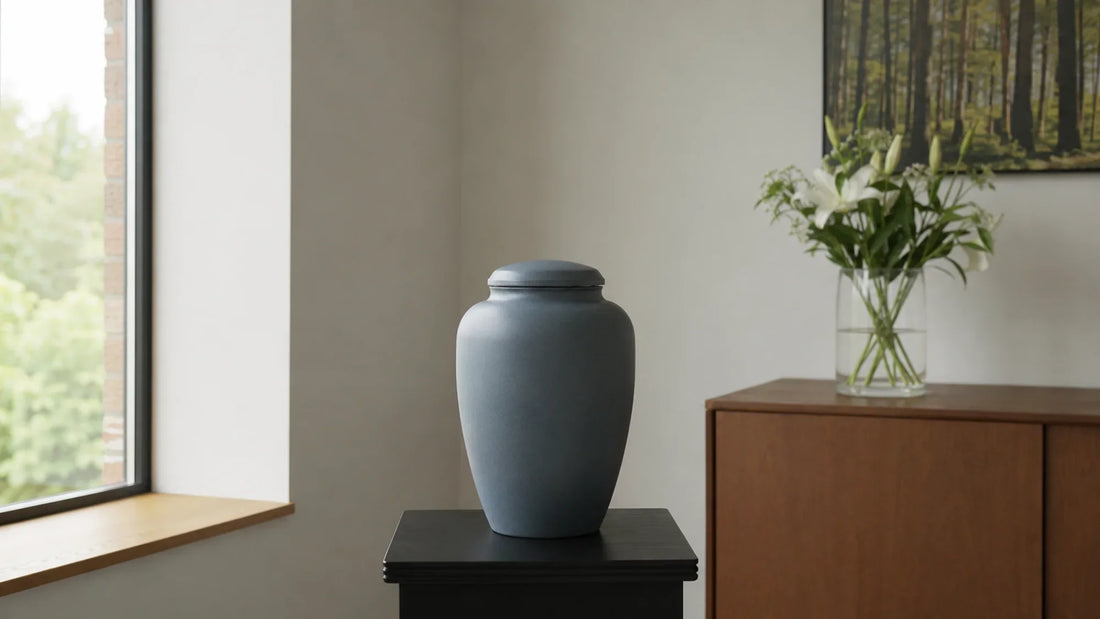
When families ask, what is direct cremation? they are usually looking for a simple explanation during an emotionally difficult time. Direct cremation is a type of cremation in which a person's body is cremated without a public viewing, visitation, or traditional funeral service beforehand.
Instead of planning a full-service funeral first, the person is taken into care, the required documents and authorizations are completed, the cremation takes place, and the cremated remains are returned to the family afterward.
In other words, direct cremation is the most straightforward form of cremation. It focuses on the essentials rather than on ceremony before the cremation itself. For some families, that simplicity is the main benefit. For others, it provides flexibility, lower cost, and the ability to plan a memorial later in a way that feels more personal.
Because the term can sound technical, many people assume it means something impersonal or rushed. In reality, direct cremation can still be handled with great care and dignity. It simply describes the type of arrangement, not the level of respect given to the person who has died.
What direct cremation means
The clearest way to define direct cremation is this: it is cremation without a formal service beforehand with the body present. There is usually no embalming, no public visitation, and no traditional funeral ceremony before the cremation. After the death occurs, the funeral home or cremation provider brings the person into their care, completes the necessary paperwork, and arranges for cremation once all requirements have been met.
Afterward, the family receives the cremated remains in a temporary container or in an urn if one has been selected. At that point, the family can keep the remains, bury them, place them in a niche, scatter them where allowed, or hold a memorial service at a later time.
Some people also hear the phrases simple cremation or immediate cremation. In many cases, those terms are used in a similar way, although specific package details can vary by provider. That is why it is always worth asking exactly what is included in any direct cremation arrangement.
How direct cremation works
Although direct cremation is simpler than a traditional funeral, there is still a structured process behind it. First, the person is transferred from the place of death into the care of a funeral home or cremation provider. The family then completes the required forms, including authorizations for cremation and information needed for the death certificate and permits.
Once the necessary paperwork is in place, and once any required waiting period or official release has been satisfied, the cremation can be scheduled. The body is usually placed in a simple combustible container rather than an expensive casket. After the cremation is complete, the remains are processed, placed in a container, and returned to the family.
Even though the process is more streamlined, reputable providers still use identification and chain-of-custody procedures throughout. That means direct cremation is not informal or casual behind the scenes. It is still a professional process with steps designed to protect accuracy, dignity, and proper handling.
What is usually included in direct cremation
What is included in direct cremation depends on the provider, but most arrangements cover the basic services needed to carry out the cremation itself. In many cases, a direct cremation package includes transportation into care within a local service area, shelter of the body for a limited period, administrative services, completion of the necessary documents, the cremation fee, a basic alternative container, and a temporary container for the cremated remains.
Some providers also include assistance with filing the death certificate, obtaining the cremation permit, and returning the cremated remains to the family by pickup or local delivery. Others may bundle some of those items differently. For example, one provider may include a basic urn while another may provide only a temporary container unless the family upgrades.
This is one reason families should not compare price alone. Two packages may both be labeled direct cremation while including very different services, timelines, or fees. Asking for a clear itemized explanation can help avoid confusion at a stressful time.
What is usually not included
Just as important as understanding what direct cremation includes is understanding what it usually does not include. In most cases, direct cremation does not involve embalming, cosmetology, dressing for public viewing, visitation hours, a funeral ceremony with the body present, a hearse for procession, printed memorial materials, flower coordination, or the use of chapel staff for a traditional service.
It also usually does not include an upgraded urn, cremation jewelry, certified copies of the death certificate beyond what is purchased separately, witness cremation, newspaper notices, or cemetery and urn burial costs unless the package specifically says so. Some providers may offer a brief private identification viewing as an extra service, but that is usually separate from the standard direct cremation arrangement.
This does not mean families are giving up every meaningful option. It simply means the arrangement starts with the essentials and lets the family decide later whether they want to add anything else.
Direct cremation versus a traditional funeral with cremation
The biggest difference between direct cremation and a traditional funeral followed by cremation is the timing of the ceremony. In a more traditional arrangement, families may choose embalming, a visitation, and a funeral service before the cremation takes place. That allows mourners to gather with the body present, much like a burial-centered funeral.
With direct cremation, those steps do not happen before the cremation. The cremation takes place first, and any service usually happens later as a memorial. That later gathering may still be very personal and meaningful, but it is different in format because the body is not present. Instead, the service may center around an urn, photographs, music, readings, and shared memories.
For some families, having the service first feels important. For others, it feels more practical and emotionally manageable to separate the cremation from the memorial and hold a gathering later. Neither choice is inherently more caring than the other. They are simply different ways of honoring a life.
Why many families choose direct cremation
Families choose direct cremation for many reasons, and cost is only one of them. Some people prefer simplicity and want to avoid making dozens of decisions in the first days after a death. Others live far from relatives and need time to plan a memorial when more people can attend. Some families want a private farewell now and a larger celebration of life later.
Direct cremation can also appeal to people who did not want a formal funeral, who valued minimalism, or who left clear instructions asking for the least complicated arrangement possible. In other cases, the decision is practical. A family may know they want cremation but are not yet sure whether they will keep the remains, scatter them, or hold a ceremony later.
There is also an emotional reason some families choose direct cremation: it can reduce immediate pressure. Instead of trying to organize every detail in a very short time, they can handle the essential arrangement first and make decisions about a memorial when they are more ready.
Is direct cremation less expensive?
In many cases, yes. Direct cremation is usually one of the least expensive funeral options because it removes many of the elements that increase cost in a traditional arrangement. There is typically no embalming, no public viewing, no rented facilities for visitation, no ceremonial staffing for a full funeral before cremation, and no requirement for a more expensive casket.
That said, the final cost can still vary significantly depending on location, the provider, transportation distance, permits, the container or urn selected, and any optional services added later. A direct cremation that looks inexpensive at first can become more costly if many extras are added, which is why families should ask for a clear general price list or itemized explanation.
The key point is that direct cremation is usually more affordable because it focuses on the essential care and cremation process itself. It is not cheaper because less care is given. The difference is mainly in the number of services and products involved.
Can you still have a funeral or memorial service after direct cremation?
Absolutely. One of the most common misunderstandings about direct cremation is that it means there can be no service at all. In reality, families often choose direct cremation specifically because it gives them more flexibility about when and how to gather afterward.
A memorial service can be held days, weeks, or even months later. It might take place at a funeral home, a church, a community space, a family home, a park where permitted, a cemetery, or another meaningful location. Some families plan a formal service with music and readings. Others prefer a casual celebration of life, a scattering ceremony, or a private family gathering.
For families spread across different cities or states, this flexibility can be especially helpful. It allows time for travel, thoughtful planning, and a more personal event rather than forcing every decision into a narrow window immediately after the death.
Is embalming or a casket required for direct cremation?
Direct cremation generally does not require embalming when there is no public viewing, although exact requirements can vary depending on local law, timing, and circumstances. Because the body is not typically prepared for a public visitation, embalming is usually not part of the arrangement.
A traditional casket is also usually not required. Instead, the body is commonly placed in a simple combustible container that is suitable for cremation. This is sometimes called an alternative container. It is designed for function and dignity, not for ceremonial display.
That is another reason direct cremation often costs less than arrangements that involve a viewing or funeral before cremation. Families are not paying for products and preparation intended for a public ceremony unless they specifically choose to add them.
How long does direct cremation take?
There is no single timeline that applies everywhere. Direct cremation can only take place after the necessary authorizations, permits, and releases are complete, and some areas have required waiting periods before cremation may occur. The timing may also depend on whether a physician has signed the death certificate, whether a medical examiner or coroner is involved, whether an autopsy is needed, and whether the death happened near a weekend or holiday.
Because of those factors, some direct cremations are completed relatively quickly once the paperwork is in order, while others take longer. Families should not assume that “direct” means immediate on the same day. It usually means the arrangement is straightforward, not that the legal and administrative steps can be skipped.
If timing is important to your family, it is reasonable to ask the provider what the usual process looks like in your area and what could delay the return of the cremated remains.
Questions to ask before arranging direct cremation
Because direct cremation packages can differ, families benefit from asking practical questions before making arrangements. A few good questions include:
- What exactly is included in your direct cremation price?
- Are transportation, permits, and the basic container included?
- Is there an additional charge for returning the cremated remains?
- Do you provide a temporary container, or is an urn extra?
- How do you identify and track the person throughout the process?
- Are there extra fees for weekends, mileage, oversized containers, or paperwork?
- Can we arrange a memorial service or keepsake items later if we choose?
These questions are not confrontational. They are part of making an informed decision. A professional provider should be able to answer them clearly and explain the process without pressure.
Is direct cremation the right choice for every family?
Not always. Some families strongly value a traditional visitation or funeral service before cremation and feel that seeing the person, gathering quickly, and following familiar rituals is an important part of grieving. In those cases, a more traditional arrangement may feel more supportive.
For other families, direct cremation is exactly the right fit. It can be practical, dignified, affordable, and flexible. It also gives people time to create a memorial that reflects the person's life rather than rushing into a standard format because time is limited.
The right choice depends on the wishes of the person who died, the needs of the family, the budget, and the kind of remembrance that feels most meaningful. There is no universal answer that fits every situation.
Final thoughts
So, what is direct cremation? It is a simple cremation arrangement in which the person is cremated without a public viewing or funeral service beforehand. The essential care, documentation, and cremation take place first, and any memorial or celebration of life can happen later if the family chooses.
For many families, direct cremation offers clarity at a time when simplicity matters. It can reduce immediate decisions, lower costs, and create more freedom to plan a personal remembrance on a schedule that works for everyone. Most importantly, it can still be carried out with the same dignity and respect that families expect in any end-of-life arrangement.
When families understand what direct cremation includes, what it leaves out, and what options remain afterward, the decision becomes much easier to evaluate. That understanding can bring a little more confidence and calm during a difficult moment.
Share
Continue reading


