
What Is the Difference Between a Temporary Container and a Permanent Urn?
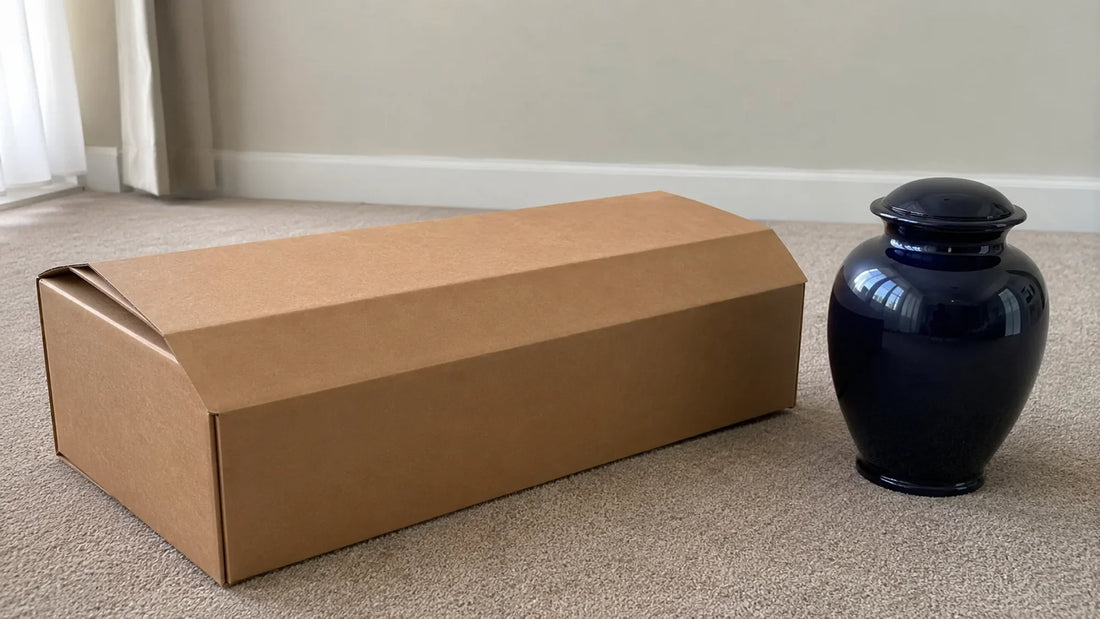
What is the difference between a temporary container and a permanent urn? The simplest answer is that a temporary container is a basic, short-term vessel used to hold cremated remains after cremation, while a permanent urn is the container chosen for the long-term or final placement of those remains.
A temporary container is usually functional, plain, and included as part of the cremation process. A permanent urn is usually selected with a specific purpose in mind, such as display at home, burial, placement in a columbarium, or another lasting memorial choice.
This is one of the most common points of confusion for families after a cremation. Many people assume that an urn automatically comes with cremation, or that the container provided by the cremation provider is already meant to be the final one.
In reality, that is not always the case. In many arrangements, especially simple cremation plans, the cremated remains are returned in a temporary container unless the family has separately selected a permanent urn.
Understanding the difference can make funeral planning easier and less stressful. It can also help families avoid buying the wrong kind of urn, paying for something they do not need, or feeling rushed into a decision before they are ready. If you are comparing options after cremation, it helps to know not only what each container is, but also what each one is actually meant to do.
The Short Answer
A temporary container is generally a simple container used to return the cremated remains to the family after cremation. Its main purpose is safe holding and transport. It is often plain in appearance and may be made from basic materials such as cardboard, plastic, pressed wood, or another simple material chosen for practicality rather than presentation.
A permanent urn is the container chosen for the long-term or final disposition of the remains. It may be decorative, simple, religious, modern, biodegradable, or highly personalized depending on the family’s wishes. A permanent urn is usually selected because it fits a particular goal, such as keeping the urn at home, burying it, placing it in a columbarium niche, or creating a more meaningful memorial.
So the difference is not only about how the container looks. It is really about purpose. A temporary container is meant to bridge the gap after cremation. A permanent urn is meant to serve the family’s final plan.
What Is a Temporary Container?
A temporary container is the basic container used to hold cremated remains when no permanent urn has yet been selected. In many cremation arrangements, especially direct cremation, this is what the family receives unless they have purchased or provided another urn ahead of time.
Temporary containers are usually simple. They are often unadorned and designed for safe, respectful handling rather than display. Depending on the provider, the container may look like a sturdy box, a plastic case, a simple composite container, or a basic vessel placed inside a protective outer box or bag. It usually includes identifying information and is intended to securely hold the remains until the family decides what comes next.
This kind of container serves an important purpose. It allows the cremation provider to return the remains properly even when the family has not made a final urn decision yet. That can be especially helpful because many families are still considering whether they want to keep the remains at home, bury them, place them in a niche, scatter them where permitted, or divide them among different memorial options.
What Is a Permanent Urn?
A permanent urn is the urn chosen for the family’s longer-term or final use. Unlike a temporary container, it is selected with a particular purpose, setting, and style in mind. Some permanent urns are intended for home display. Others are designed for burial, placement in a columbarium, scattering, or water burial. Some are made to last for generations, while others are intentionally biodegradable because the final plan involves burial or a return to nature.
This is why the word “permanent” can sometimes be a little misleading. It does not always mean the urn itself is meant to last forever in the same visible form. It means the urn is the final container chosen for the family’s intended use. For example, a biodegradable urn used for burial or scattering can still be the permanent urn because it is the final container selected for that purpose.
Permanent urns come in many forms. They may be made of metal, wood, ceramic, glass, stone, marble, biodegradable paper, or other materials. They may be highly decorative or very minimal. Some include engravings, symbols, photo panels, or companion designs for two people. Others are small keepsake urns meant to hold only a portion of the remains.
The Biggest Differences Between a Temporary Container and a Permanent Urn
Families often think the difference is only appearance, but there are several important distinctions:
- Purpose: A temporary container is for short-term holding and return of the remains. A permanent urn is for the family’s final plan.
- Design: A temporary container is usually plain and functional. A permanent urn is usually chosen for meaning, presentation, or suitability for a specific resting place.
- Material: Temporary containers are often made from basic, lower-cost materials. Permanent urns may be made from decorative, durable, or purpose-specific materials.
- Timing: A temporary container is often provided immediately after cremation. A permanent urn may be chosen before cremation or later, after the family has had time to decide.
- Cost: A temporary container is often included or low-cost. A permanent urn is usually a separate purchase, and prices vary widely depending on material and style.
- Use: A temporary container may not be ideal for long-term display or certain cemetery or columbarium requirements. A permanent urn is chosen to match the final use.
Once families understand these differences, the decision often becomes much clearer. The question is usually not “Which one is better?” but “What do we need right now, and what is our final plan?”
Why Families Are Often Given a Temporary Container First
There is a practical reason temporary containers are so common. Families do not always know immediately what they want to do after cremation. Some need time to discuss options with relatives. Some are waiting for family members to travel. Some want to hold a memorial service later before deciding on burial or scattering. Others simply do not want to make another purchase in the middle of a difficult week.
A temporary container gives families breathing room. It allows the cremation to be completed and the remains to be returned respectfully without forcing an immediate final urn decision. In that sense, the container serves as a placeholder while the family decides on the next step.
This can actually be helpful emotionally as well as practically. Immediately after a death, many decisions already feel urgent. Choosing a permanent urn may not be something a family wants to do under pressure. A temporary container can provide time for a more thoughtful choice later.
Do You Need to Buy a Permanent Urn Right Away?
No. In many cases, families do not need to choose a permanent urn right away. One of the reasons temporary containers exist is to allow for that delay. If the remains are going to stay with the family for a short time while decisions are made, the temporary container may be sufficient for the moment.
That said, it is helpful to think ahead if you already know the final plan. If you know the remains will be placed in a columbarium, buried in a cemetery, or kept in a visible place at home, choosing the right permanent urn early can save time and prevent the need for later transfer.
There is no universal rule here. Some families choose the permanent urn before the cremation even takes place. Others wait weeks or months. The right timing depends on whether the family already knows the final destination of the remains and whether they feel ready to make that decision.
Can You Keep Cremated Remains in the Temporary Container?
Sometimes, yes. In some situations, families do keep cremated remains in the temporary container for a period of time, especially when they are still deciding what they want to do. In a practical sense, the remains can often stay safely contained there for the short term.
However, that does not mean a temporary container is always the best long-term choice. It may not be designed for display, personalization, or lasting durability. It may not reflect the kind of memorial the family wants. And if the final plan involves burial, a columbarium, or another formal setting, the temporary container may not meet the requirements of that location.
So while a temporary container can be enough for now, families should not assume it is automatically ideal forever. It is worth asking whether it fits the long-term plan before deciding to leave the remains in it permanently.
When a Permanent Urn Makes More Sense
A permanent urn usually makes more sense when the family knows how the remains will ultimately be cared for. If the urn will be kept at home, many families want something more attractive, meaningful, and intentional than a plain temporary container. If the urn will be placed in a niche, buried, or used in a memorial ceremony, a purpose-specific permanent urn is usually the better fit.
A permanent urn is also a better choice when presentation matters. For example, if the urn will be present at a memorial service, kept in a living room or mantel area, or passed down within the family, the appearance and symbolism of the urn may matter a great deal.
Even families who prefer simplicity often choose a permanent urn once they realize it does not have to be elaborate. A permanent urn can be very modest. The point is not decoration for its own sake. The point is choosing a final container that suits the family’s plans and provides the level of dignity, practicality, and meaning they want.
How the Final Plan Affects the Right Choice
The best container often depends on what the family plans to do next.
If the urn will be kept at home, families often choose a permanent urn that matches their style and feels appropriate for daily presence in the home.
If the urn will be placed in a columbarium, the niche dimensions matter. Some niches allow only certain sizes, so the permanent urn has to fit those measurements.
If the urn will be buried, the cemetery may have rules about the kind of urn or whether an outer container is needed.
If the remains will be scattered where permitted, the family may choose a scattering urn or a biodegradable urn specifically designed for that purpose.
If the remains will be shared among family members, a full-size permanent urn may be chosen along with smaller keepsake urns, depending on the family’s wishes.
This is why the question is not only “Do we want an urn?” but also “What are we asking this urn to do?” Once that becomes clear, the right option is usually easier to identify.
Questions to Ask Before Choosing a Permanent Urn
If you are deciding whether to stay with a temporary container or choose a permanent urn, these questions can help:
- Is a temporary container already included in the cremation arrangement?
- What material is the temporary container made from?
- Is it suitable only for short-term holding, or can it be used longer if needed?
- What is the final plan for the remains: home, burial, columbarium, scattering, or something else?
- Are there size requirements for the cemetery or columbarium?
- Would the family prefer an urn that is decorative, simple, religious, biodegradable, or designed for a specific purpose?
- Will the remains need to be transferred later, and who will handle that?
These questions help families avoid making the decision based only on appearance. They focus attention on what matters most: suitability, timing, and the final memorial plan.
Bottom Line
What is the difference between a temporary container and a permanent urn? A temporary container is a basic, short-term container used to return and hold cremated remains after cremation. A permanent urn is the final urn chosen for long-term keeping, burial, placement in a columbarium, scattering, or another lasting memorial purpose.
For many families, the temporary container is simply the first step, not the final one. It provides time and flexibility while decisions are still being made. A permanent urn comes later when the family is ready to choose the container that fits their values, plans, and preferred way of remembering someone they love.
In the end, the difference is not just about style. It is about function, timing, and intention. Once families understand that, they can make a choice that feels practical, respectful, and right for the future.
Share
Continue reading


