
Which Pet Cremation Option Lets You Receive Your Pet's Ashes Back?
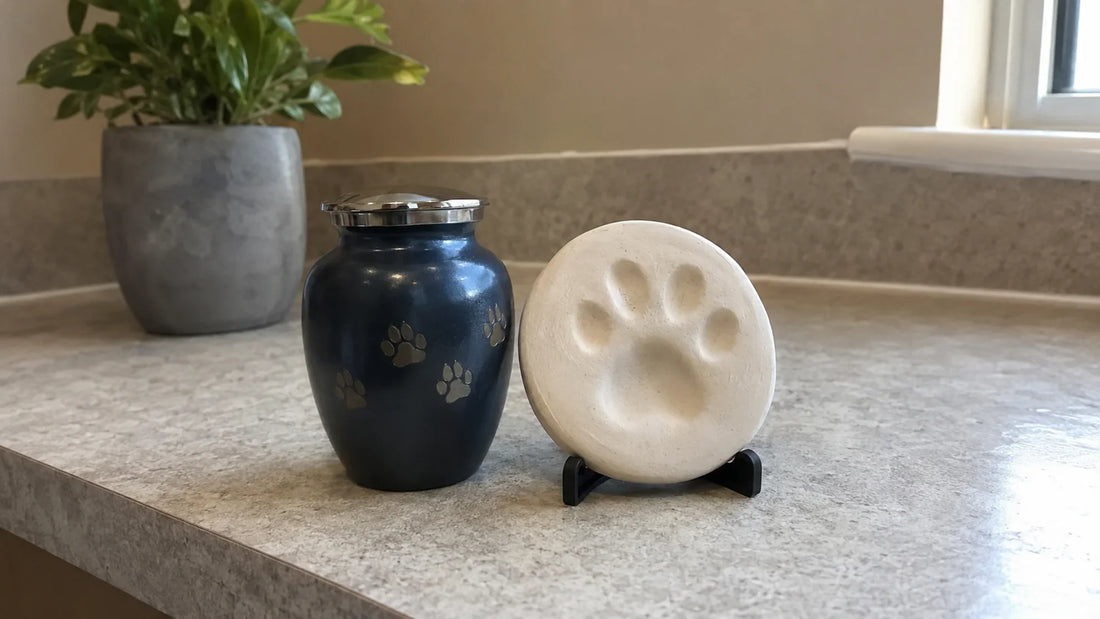
After losing a pet, one of the first questions many families ask is whether they can have their pet’s ashes returned to them. That question is emotional, practical, and often urgent. People want to know which option to choose before they sign paperwork, approve cremation, or leave their pet in the care of a veterinary office or cremation provider.
The simple answer is that the option most closely associated with receiving your pet’s ashes back is private cremation. In many cases, individual cremation may also return ashes, but the wording can vary from one provider to another. That is where confusion starts. Some businesses use the words private and individual as if they mean the same thing. Others use them differently. Shared or communal cremation, by contrast, usually does not include the return of ashes to the family.
Because the terms are not always used in exactly the same way everywhere, the safest approach is not just to look at the label of the option. It is to ask the provider exactly which service results in your pet’s ashes being returned to you. Once families understand how the options work, the decision usually becomes much clearer.
The short answer
If your main goal is to receive your pet’s ashes back, the option you will usually want is private cremation. That is the clearest and most commonly understood choice for families who want their own pet’s cremated remains returned after the process is complete.
However, many providers also offer individual cremation, and some of them use that term to mean the ashes will be returned. The important detail is that terminology can vary. One provider may describe private cremation as a pet being cremated completely alone. Another may call that same service individual cremation. A third may offer both terms but define them differently. Because of that, the most accurate answer is this: choose the option that the provider explicitly says will return your pet’s ashes, and if you want the greatest clarity, ask whether your pet is cremated alone.
What families usually need to remember is simple. Private cremation is generally the safest answer to the question. Shared or communal cremation is generally the option that does not return ashes. Everything else depends on how the provider defines its services.
Understanding the main pet cremation options
Most pet cremation providers group their services into three broad categories: private cremation, individual cremation, and communal or shared cremation. Not every business uses all three terms, but most families will encounter some version of them when making arrangements.
Private cremation usually means one pet is placed in the cremation chamber alone. The remains that come back are intended to be that pet’s remains, and they are typically returned to the family in a temporary container, urn, or another memorial package. This is the option many families choose when they want the strongest sense of separation and the clearest expectation that their pet’s ashes will come home.
Individual cremation is where definitions often vary. Some providers use it to mean that each pet is cremated separately and the ashes are returned. Others use it to describe a process in which pets are kept separated during cremation, but not always in a way families assume from the word alone. That does not automatically make the service wrong or misleading, but it does mean families should ask for a plain-language explanation before choosing it.
Communal or shared cremation usually means multiple pets are cremated together, and the ashes are not returned to any one family. This is often the lowest-cost option, and some families choose it because they do not want the ashes back or prefer the simplest arrangement. But if receiving your pet’s ashes matters to you, this is usually not the right choice.
Private cremation is usually the option that returns ashes
When families ask which option lets them receive their pet’s ashes back, private cremation is usually the most direct answer. The reason is straightforward. This option is designed around one pet at a time, and it is typically presented as the service for families who want the ashes returned for home keeping, burial, placement in an urn, scattering, or memorial keepsakes.
For many people, private cremation offers emotional reassurance as well as practical clarity. They feel more comfortable knowing their pet is being handled on an individual basis and that the returned ashes are associated specifically with their companion. During a time of grief, that reassurance can matter a great deal.
Private cremation also tends to be the least confusing option when comparing services. Even if a provider also offers individual cremation, private cremation is often the term that most clearly signals a one-pet process with return of ashes. That is why families who care most about bringing ashes home often gravitate toward this choice first.
It is worth remembering, though, that even with private cremation, families should still ask questions. A good provider should be able to explain how identification works, how your pet is tracked through the process, when the ashes will be ready, and what kind of container or urn is included. Clear answers usually signal a transparent and well-organized provider.
Why the term individual cremation can be confusing
Many misunderstandings come from the term individual cremation. Families often hear that phrase and assume it always means exactly the same thing as private cremation. Sometimes it does. Sometimes it does not. That is why relying on the wording alone can create uncertainty.
At some providers, individual cremation means the ashes will be returned and the pet is handled separately throughout the process. At others, individual cremation may still involve a distinction from private cremation, with private meaning completely alone and individual meaning separated in another approved way. The provider may still return ashes, but the family’s expectation of what the term means can differ from the provider’s definition.
None of this means families should avoid individual cremation automatically. It simply means they should ask the right follow-up question: “Will I receive my pet’s ashes back, and how do you define this option?” That one question usually clears up the confusion immediately.
If receiving ashes back is the most important outcome, do not focus only on the service name. Focus on the provider’s exact explanation of what happens and what is returned. That is more valuable than the label by itself.
Shared or communal cremation usually does not return ashes
If private cremation is the option most associated with getting ashes back, communal or shared cremation is the option most associated with not receiving them. In a communal arrangement, more than one pet is cremated together, and the ashes are typically not separated and returned to individual families afterward.
This option is often chosen when cost is the main concern or when a family does not feel strongly about keeping ashes. Some people are comfortable knowing their pet will be cremated respectfully even if no remains come home. Others know immediately that they do want ashes returned, in which case communal cremation is usually not the right fit.
Because grief can make paperwork feel rushed, families should be careful not to assume that all cremation options include return of ashes. They do not. If the provider describes the option as communal, group, or shared, it is important to ask directly whether ashes are returned. In most cases, the answer will be no.
This is one of the most important distinctions to understand before making arrangements. A family who wants an urn, memorial shelf, scattering ceremony, or keepsake jewelry will usually need a return-of-ashes option rather than a communal service.
Why families often choose to have ashes returned
Wanting your pet’s ashes back is not just a practical choice. For many families, it is part of how they process the loss. Bringing the ashes home can create a sense of continued closeness, especially after years of daily routines, companionship, and care. An urn, memorial box, or keepsake can become a gentle focal point for remembrance.
Some people know right away what they want to do with the ashes. They may plan to keep them at home, bury them in a pet cemetery, place them in a memorial garden, scatter them in a meaningful place where allowed, or divide them among family members. Others are not sure yet, but they still want the option to decide later. Receiving the ashes gives them time and flexibility.
There are also families who do not feel a strong need for ashes to be returned, and that is equally valid. The right choice depends on personal preference, grief style, family values, and budget. Still, for anyone who thinks there is a good chance they may want the ashes later, it is usually better to choose the return-of-ashes option from the start rather than assume that choice can be revisited afterward.
Questions to ask before choosing a pet cremation option
The best way to avoid confusion is to ask a few clear questions before making a final decision. The first and most important one is simple: “Which option returns my pet’s ashes to me?” If the answer is private cremation, that gives you a strong starting point. If the provider says individual cremation also returns ashes, ask them to explain how they define that service.
It is also helpful to ask whether your pet will be cremated alone, how identification is maintained throughout the process, and what type of container is included when the ashes are returned. You may also want to ask how long the process takes, whether an upgraded urn is optional, and whether any paw print, fur clipping, or memorial package is available.
These questions are not confrontational. Reputable providers expect them. In fact, clear and direct answers often make families feel more comfortable with the arrangement overall. When a provider explains the options plainly, families are less likely to feel uncertain later.
If your pet’s veterinarian is coordinating cremation through a third-party service, you can ask these same questions through the veterinary office or directly to the cremation provider if that contact information is available. The important point is to make sure the meaning of the option is clear before you agree to it.
What you usually receive when ashes are returned
When a family chooses the option that includes return of ashes, the remains are often brought back in a simple temporary container unless a decorative urn or memorial item has been selected. Some providers include a basic container in the price and offer upgraded urns, keepsake boxes, plaques, or jewelry for an additional cost.
Families are sometimes surprised by how personalized these return packages can be. In addition to the ashes, some providers offer a clay paw print, ink paw print, nameplate, certificate, or lock of fur if requested. Others keep the return process very simple and focus only on the remains themselves. What is included varies, which is another reason to ask questions before choosing a package.
If you know you want to keep the ashes long term, it may help to think ahead about whether you want a permanent urn right away or whether a simple temporary container is enough for now. Some families need more time before making memorial decisions, and having the ashes returned in a basic container still gives them that flexibility.
How to choose the right option for your family
The right pet cremation option depends on what matters most to you. If your top priority is having your own pet’s ashes returned, private cremation is usually the strongest choice. If the provider says individual cremation also returns ashes, make sure you understand exactly what that means in their process. If budget matters most and you do not want the ashes back, communal cremation may be acceptable for your family.
It can also help to think about what you may want a few weeks from now, not just what feels manageable in the moment. Grief often makes people want to simplify every decision as quickly as possible. That is understandable. But if there is any chance you may want the ashes later, it is worth pausing long enough to choose the option that preserves that possibility.
Many families find peace in choosing the clearest, least ambiguous route. Instead of trying to interpret service names, they ask directly which option brings their pet’s ashes home and what steps are in place to identify and return them. That approach usually leads to more confidence and fewer regrets.
A simple takeaway
If you want to receive your pet’s ashes back, the option you will usually want is private cremation. In many cases, individual cremation may also return ashes, but terminology can differ from one provider to another. Shared or communal cremation usually does not include the return of ashes.
The most important thing is not the label alone. It is the provider’s clear explanation of what the service includes. Ask which option returns your pet’s ashes, ask how they define it, and ask how your pet is identified throughout the process. Those few questions can make a difficult decision much easier.
After the loss of a pet, families deserve clarity, compassion, and time to choose what feels right. Knowing which cremation option lets you receive your pet’s ashes back can help bring a little more certainty to an already difficult moment.
Share
Continue reading


